Brief by Shorts91 Newsdesk / 04:51pm on 14 Aug 2025,Thursday Science
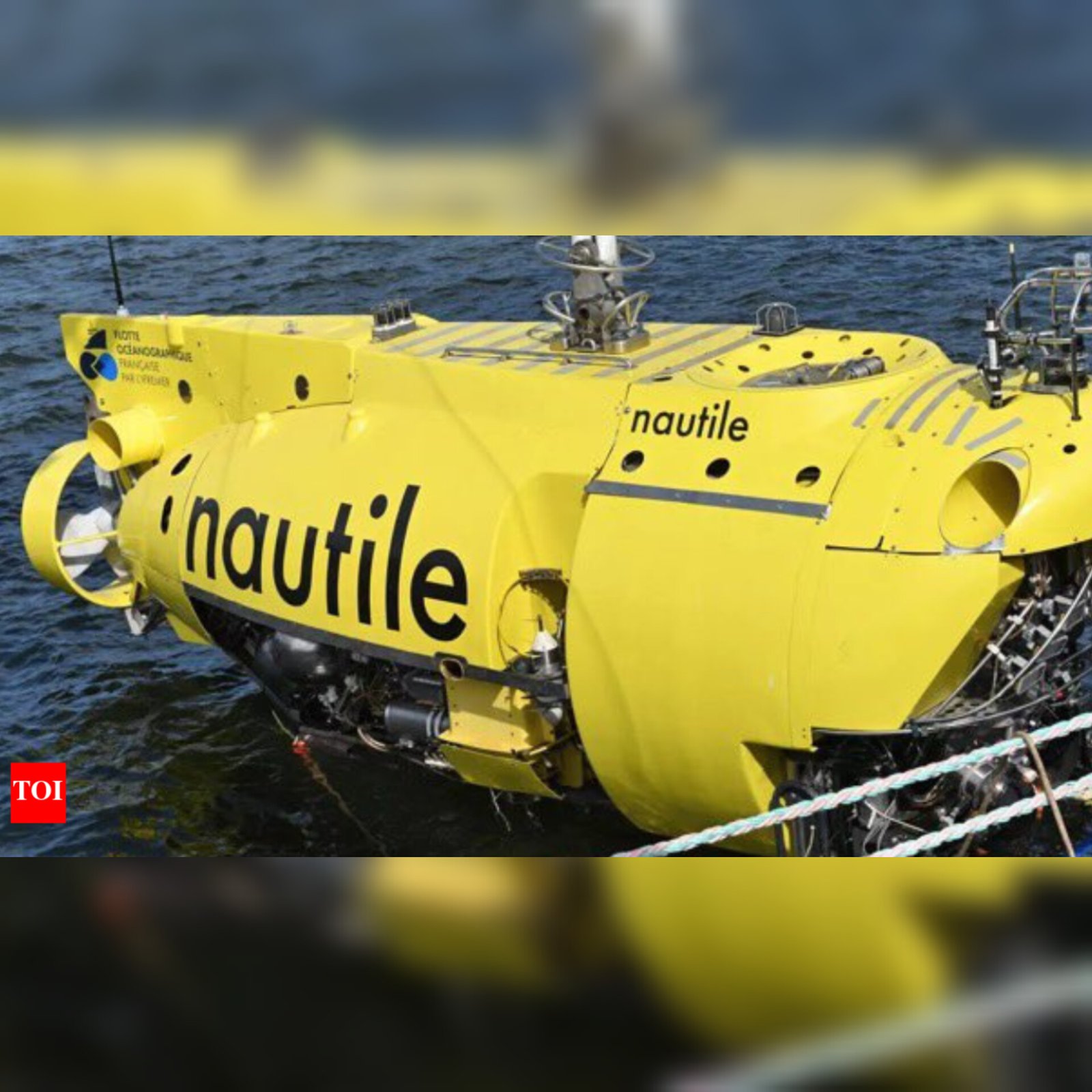
Two Indian aquanauts, Commander (Retd) Jatinder Pal Singh and R Ramesh, have set new national records by diving to depths of 5,002 meters and 4,025 meters, respectively, in the North Atlantic Ocean. These dives were conducted aboard the French submersible Nautile on August 4 and 5, 2025, marking the deepest underwater explorations ever undertaken by Indians. The mission is part of India's Deep Ocean Mission, Samudrayaan, which aims to send three aquanauts to 6,000 meters by 2027 using an indigenously developed titanium submersible. The dives also facilitated valuable training in vessel handling and operational protocols. (PC: The Times of India)
Brief by Shorts91 Newsdesk / 12:20pm on 10 Aug 2025,Sunday Science
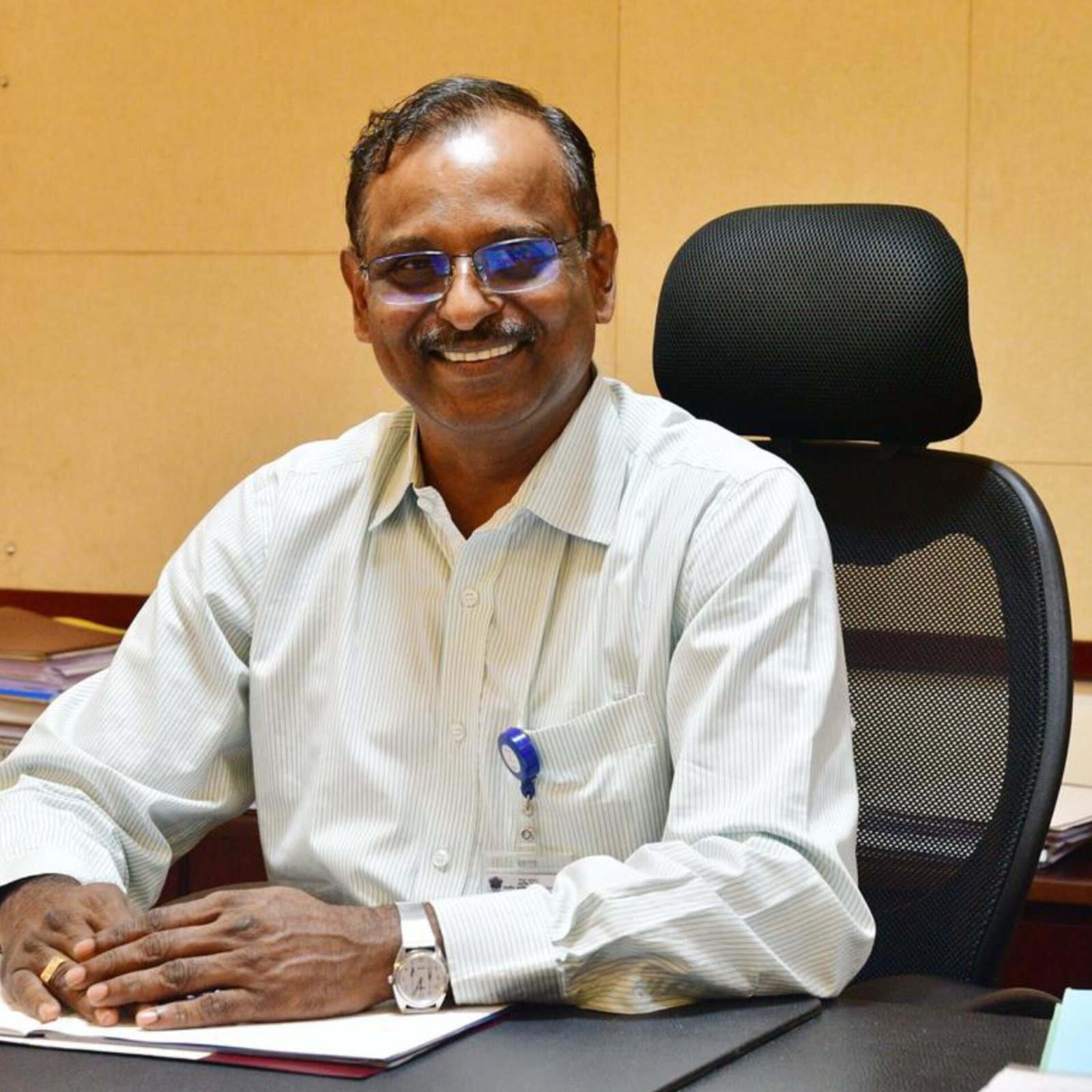
ISRO Chairman V. Narayanan announced that India will soon launch a 6,500 kg communication satellite built by the United States, marking one of the heaviest payloads ever handled by the Indian space agency. The launch is planned within the next two months using India’s GSLV Mk-III (LVM3) rocket. Speaking at SRM Institute’s convocation, Narayanan highlighted ISRO’s journey from launching a small American-supplied rocket in 1963 to becoming a global launch provider. He also noted the recent success of the NISAR mission, jointly developed with NASA, calling the upcoming launch a significant milestone in Indo-US space cooperation and ISRO’s heavy-lift capability. (PC: The Hindu)
Brief by Shorts91 Newsdesk / 05:57am on 10 Aug 2025,Sunday Science
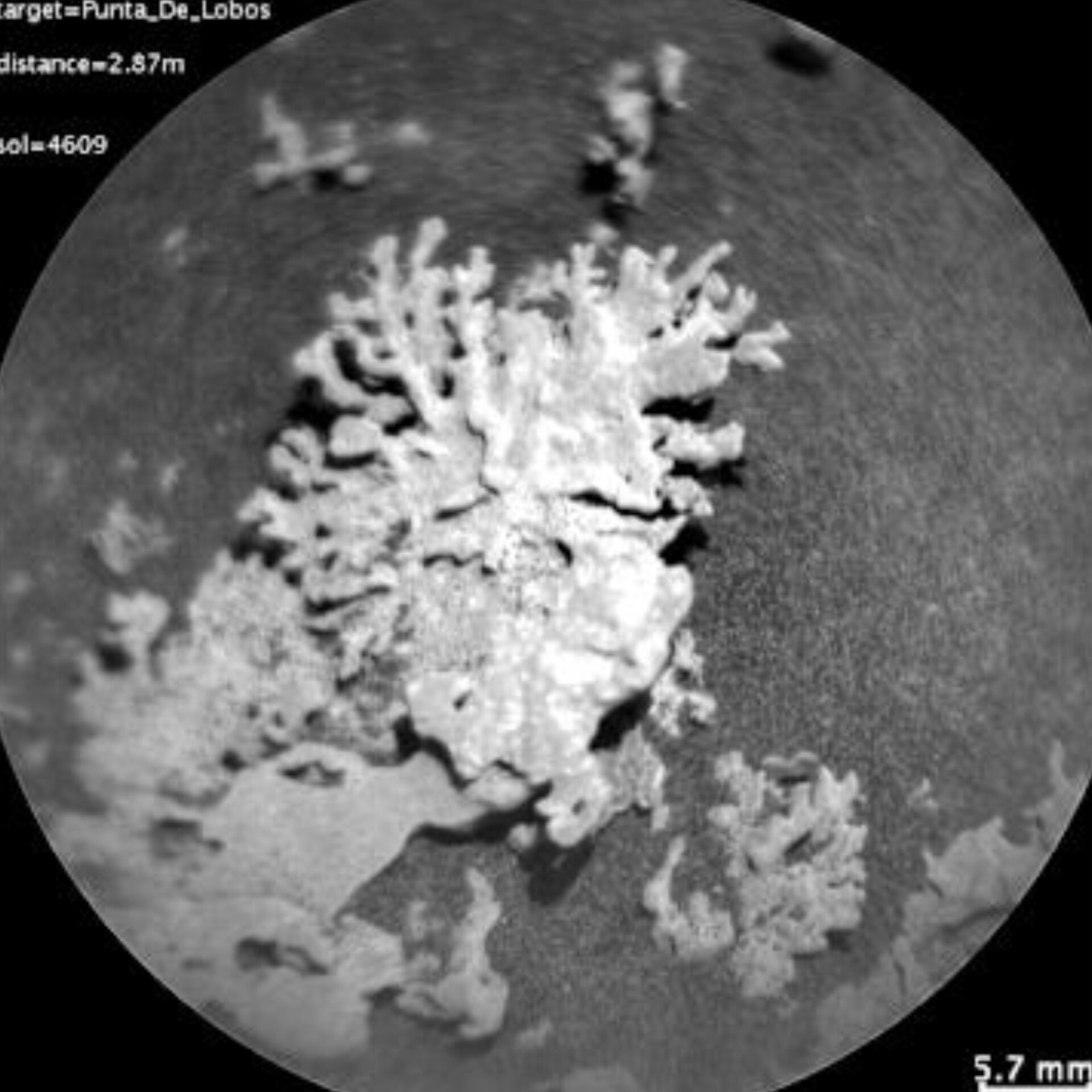
On July 24, 2025, NASA’s Curiosity rover spotted a 1-inch-wide coral-shaped rock inside Mars’ Gale Crater. While not biological, its intricate branching structure formed billions of years ago when mineral-rich water seeped into rock fractures, leaving hardened deposits. Over time, wind and sand erosion stripped away softer material, revealing the resilient pattern. Scientists say this discovery adds to evidence that liquid water once existed on Mars, shaping its terrain. Similar formations, including the “Paposo” rock and a flower-like feature found in 2022, strengthen theories about Mars’ potentially habitable past.
Brief by Shorts91 Newsdesk / 04:27am on 10 Aug 2025,Sunday Science
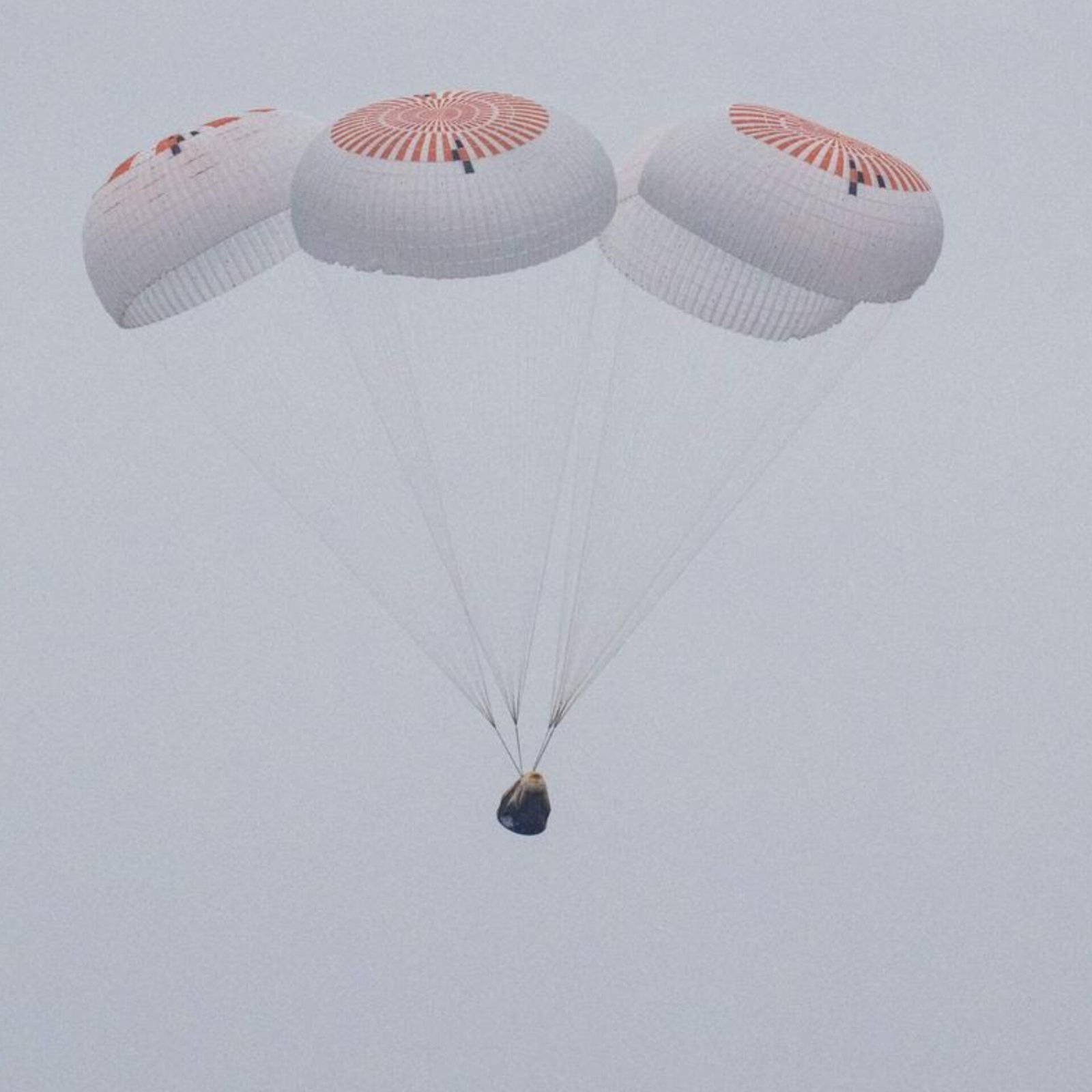
Four astronauts — NASA’s Anne McClain and Nichole Ayers, JAXA’s Takuya Onishi, and Roscosmos cosmonaut Kirill Peskov — returned to Earth on August 9, 2025, concluding a five-month International Space Station mission. Their SpaceX Crew Dragon capsule, Endurance, splashed down off the coast of San Diego, marking NASA’s first Pacific Ocean splashdown in 50 years . The astronauts conducted crucial scientific experiments aboard the ISS before undocking and enduring a precise 17-hour descent, culminating in a safe recovery by SpaceX teams. (PC: AFP)
Brief by Shorts91 NewsDesk / 03:28pm on 09 Aug 2025,Saturday Science
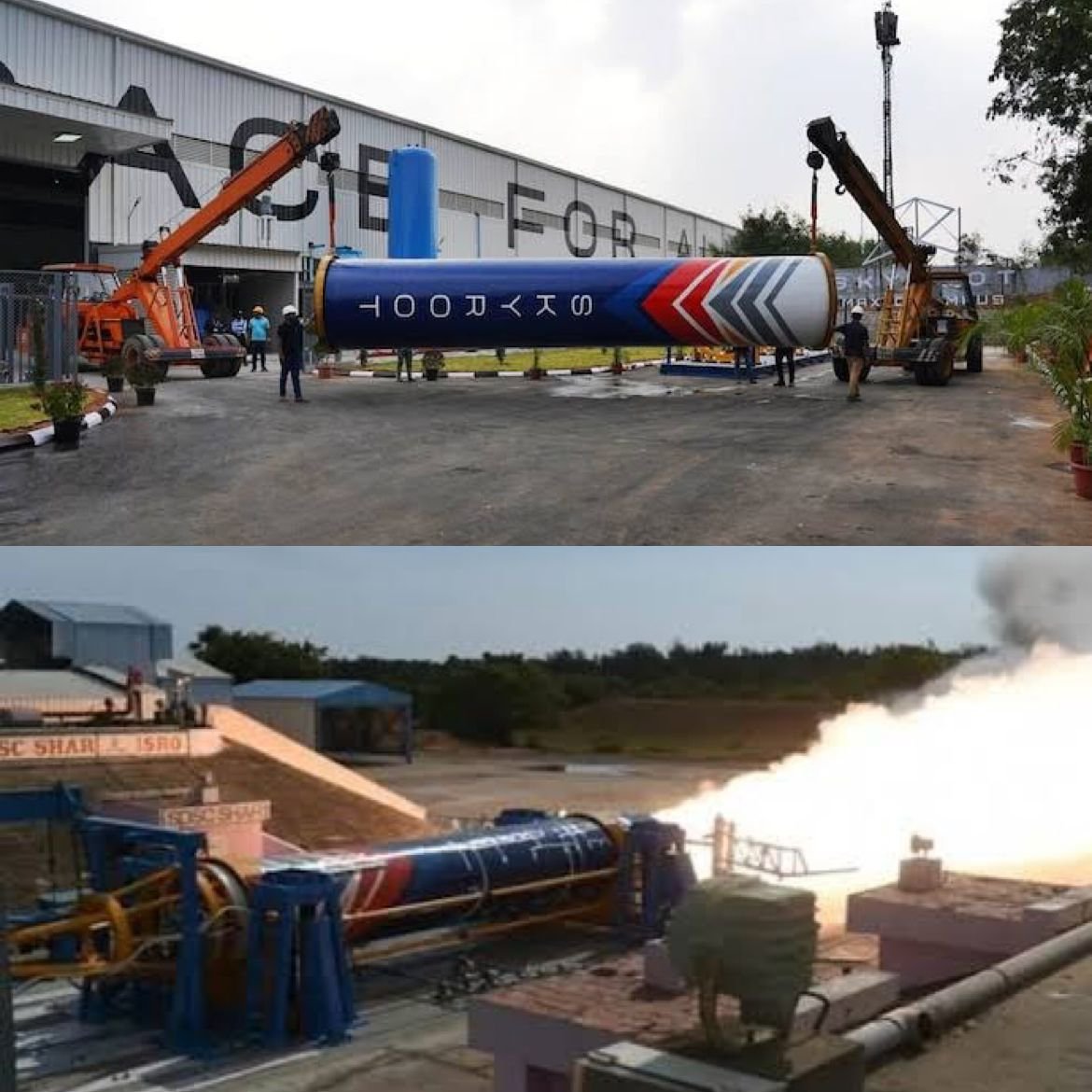
Skyroot Aerospace successfully conducted the first static test of its KALAM-1200 solid rocket motor at Sriharikota’s Satish Dhawan Space Centre. The test, held at 09:05 hrs on August 9, marks a major milestone for the Hyderabad-based private space startup. The KALAM-1200, an 11-meter-long, 1.7-meter-diameter monolithic composite motor with 30 tonnes of propellant, is the first stage of the Vikram-1 launch vehicle. It is the longest monolithic motor ever built at Sriharikota’s Solid Propellant Plant. ISRO provided design inputs and confirmed the motor’s performance met all predictions. This achievement aligns with India’s Space Policy 2023, which supports private sector participation and infrastructure development to boost the country’s commercial space economy. (PC: India Today & Reddit)
Brief by Shorts91 Newsdesk / 11:41am on 08 Aug 2025,Friday Science
In a recent viral video shared by India Today, ISRO scientist Shubhanshu Shukla offers a captivating explanation of how astronauts digest food in space. Shukla, known for his engaging science communication, breaks down the effects of microgravity on the human digestive system. He explains that in space, food doesn’t move down due to gravity but is pushed along the digestive tract by muscular contractions called peristalsis. His simple yet insightful demonstration has gained widespread appreciation, especially among students and space enthusiasts, highlighting the challenges of human biology beyond Earth.
Brief by Shorts91 Newsdesk / 05:43am on 08 Aug 2025,Friday Science
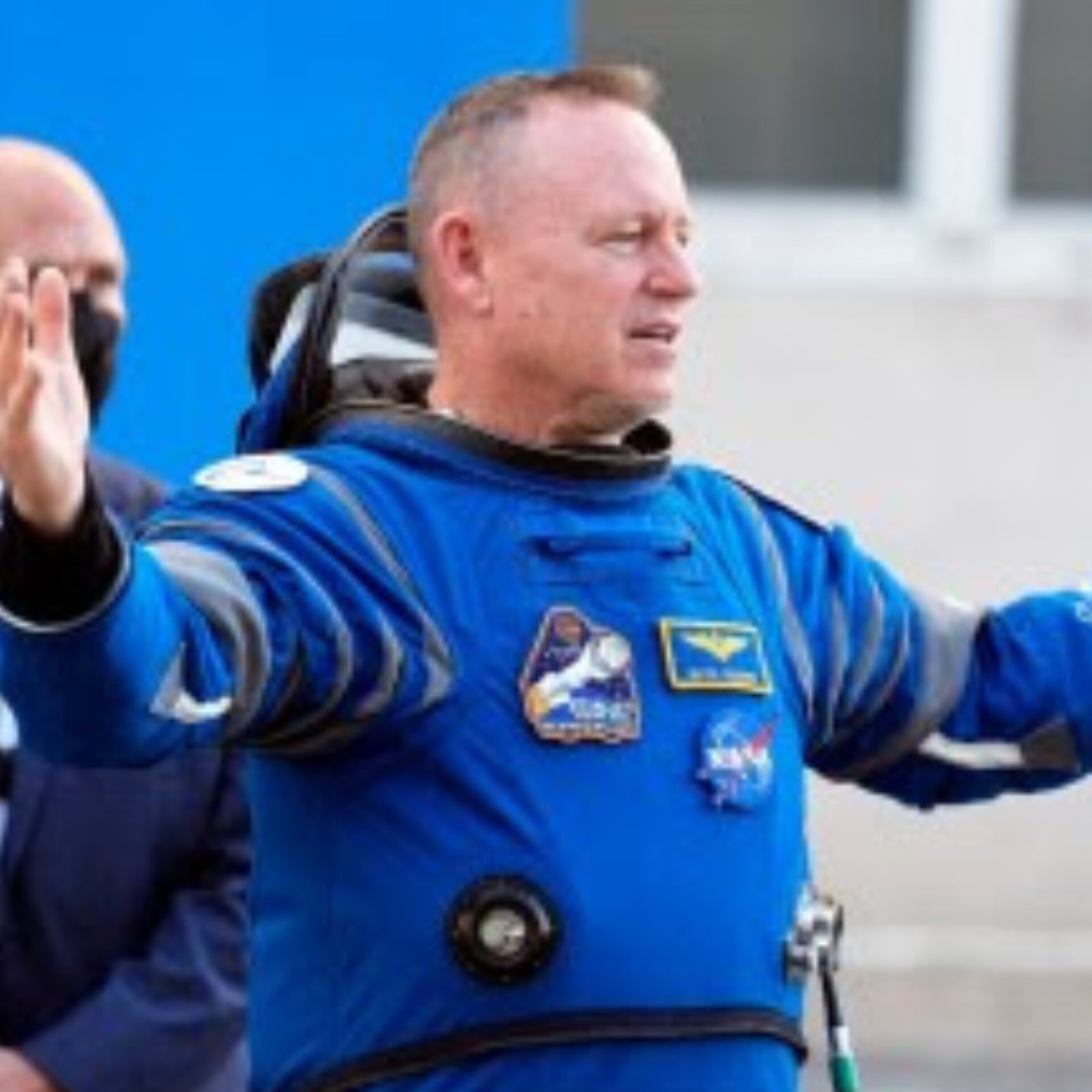
NASA veteran astronaut Barry “Butch” Wilmore announced his retirement on August 6, 2025, closing a distinguished 25‑year career. He logged 464 days in space across missions aboard the Space Shuttle Atlantis, Soyuz, Boeing Starliner, and SpaceX Dragon, and performed five spacewalks totaling 32 hours . His final mission became widely followed after technical failures aboard Boeing’s Starliner turned an eight‑day test flight in June 2024 into an unexpectedly long nine-month stay aboard the ISS, from which he returned in March 2025 via a SpaceX mission . Reflecting his dedication, NASA lauded his "lasting legacy of fortitude," which will continue to inspire future explorers. (PC: AP)
Brief by Shorts91 Newsdesk / 11:41am on 07 Aug 2025,Thursday Science
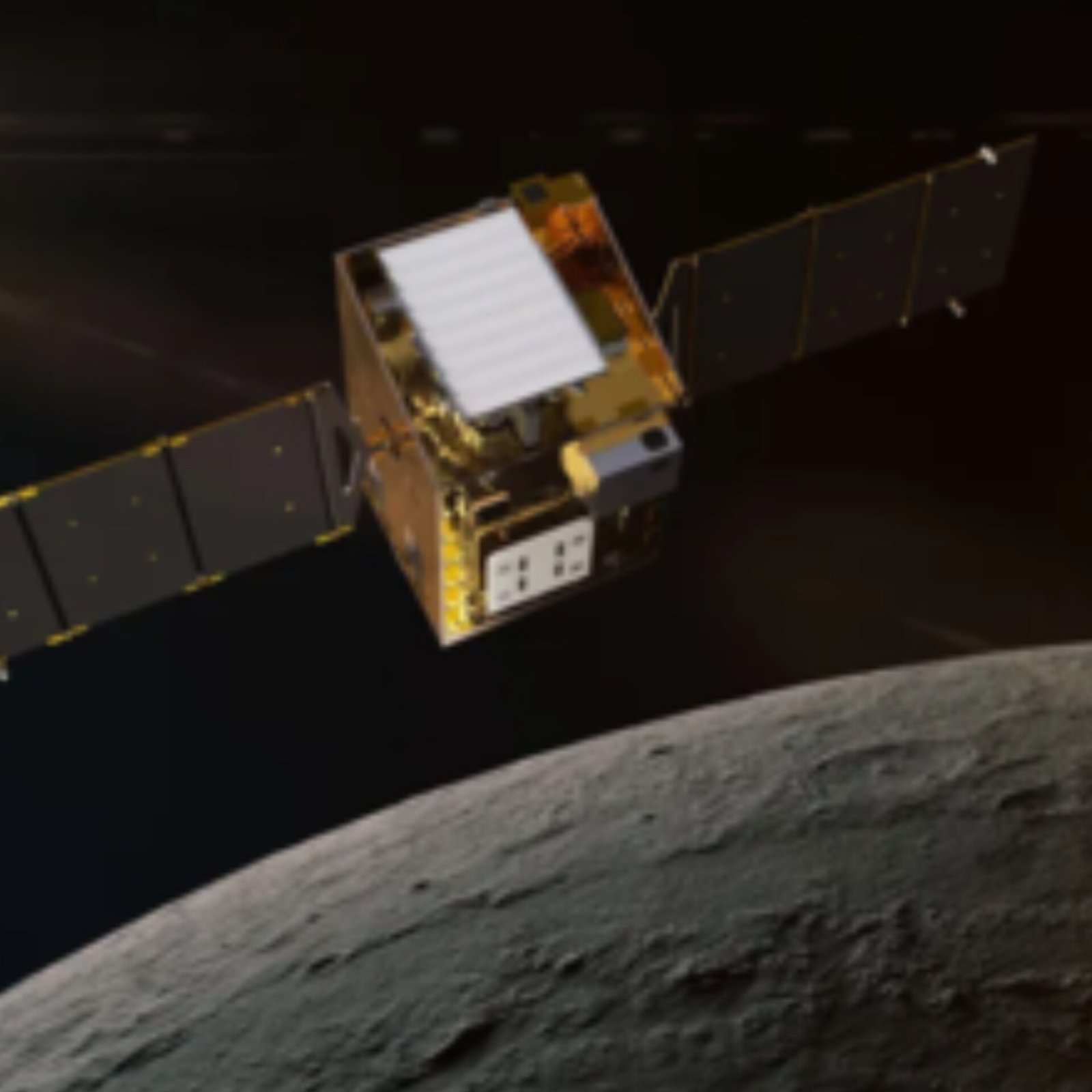
NASA officially terminated the Lunar Trailblazer mission on July 31, 2025, after months of unsuccessful attempts to reestablish contact following a launch failure . Launched on February 26, 2025, as part of the low-cost SIMPLEx program, the 200‑kg orbiter separated successfully from its Falcon 9 launch vehicle and even sent initial signals . However, a critical misalignment of solar panels prevented battery recharging, causing the spacecraft to spin and drift into deep space out of communication range . Though the mission failed, NASA views it as a valuable learning experience for designing future small, cost-effective lunar missions. (PC: The Times of India)
Brief by Shorts91 Newsdesk / 05:29am on 07 Aug 2025,Thursday Science
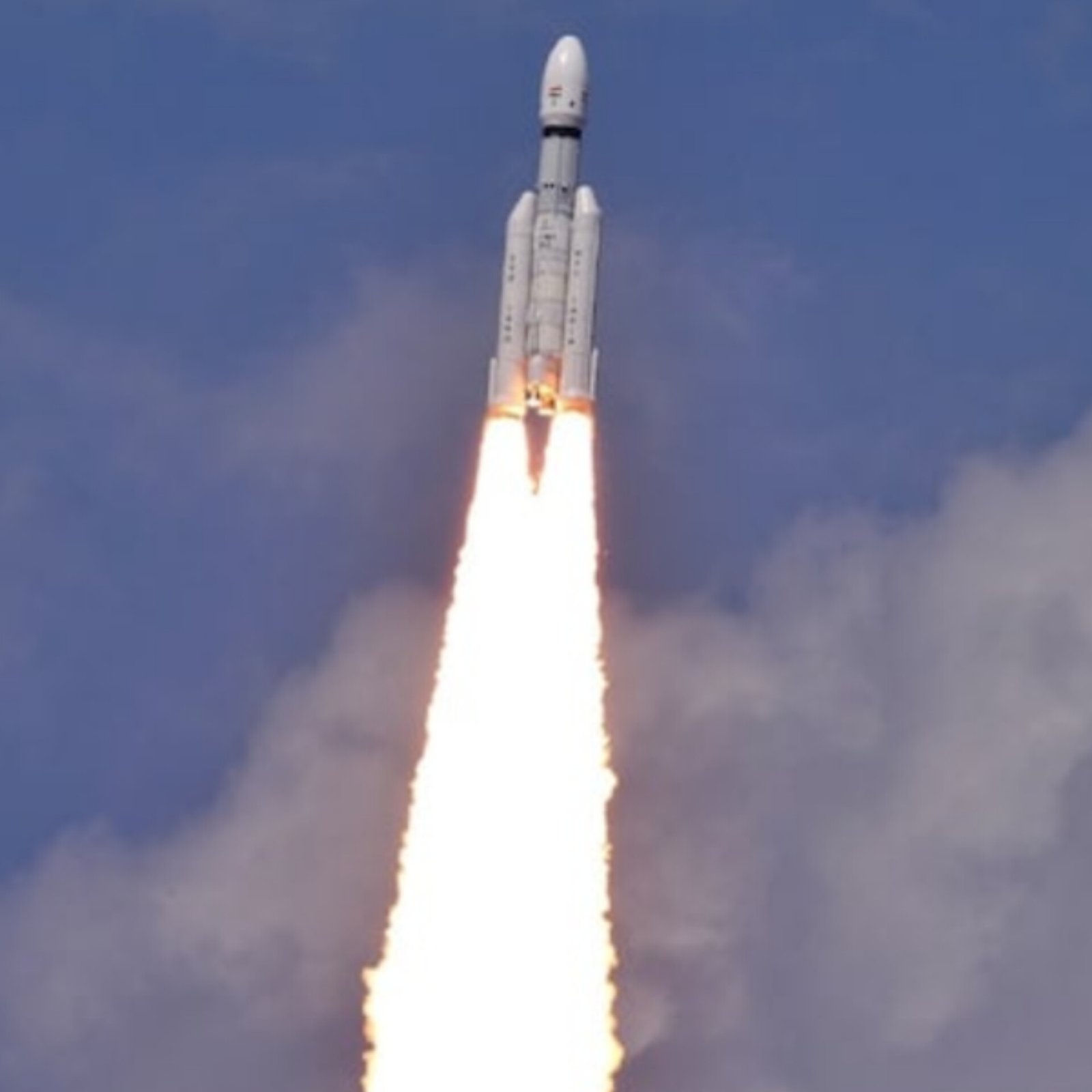
ISRO aims to commission its Third Launch Pad (TLP) at Sriharikota by March 2029 to support next-generation rockets, including LVM3 and semi-cryogenic vehicles. Financially sanctioned in March 2025, the project marks a major boost for India’s space ambitions, enabling payloads up to 30,000 tonnes into low Earth orbit. Milestones include civil works by May 2028 and facility installation by September 2028. Emphasizing private sector collaboration, including MSMEs, the initiative reinforces Make-in-India goals. Minister Dr. Jitendra Singh highlighted its strategic role in future human spaceflight, the planned Bharatiya Antariksh Station by 2035, and India’s first crewed lunar landing by 2040. (PC: India Today)
Brief by Shorts91 Newsdesk / 07:25am on 06 Aug 2025,Wednesday Science
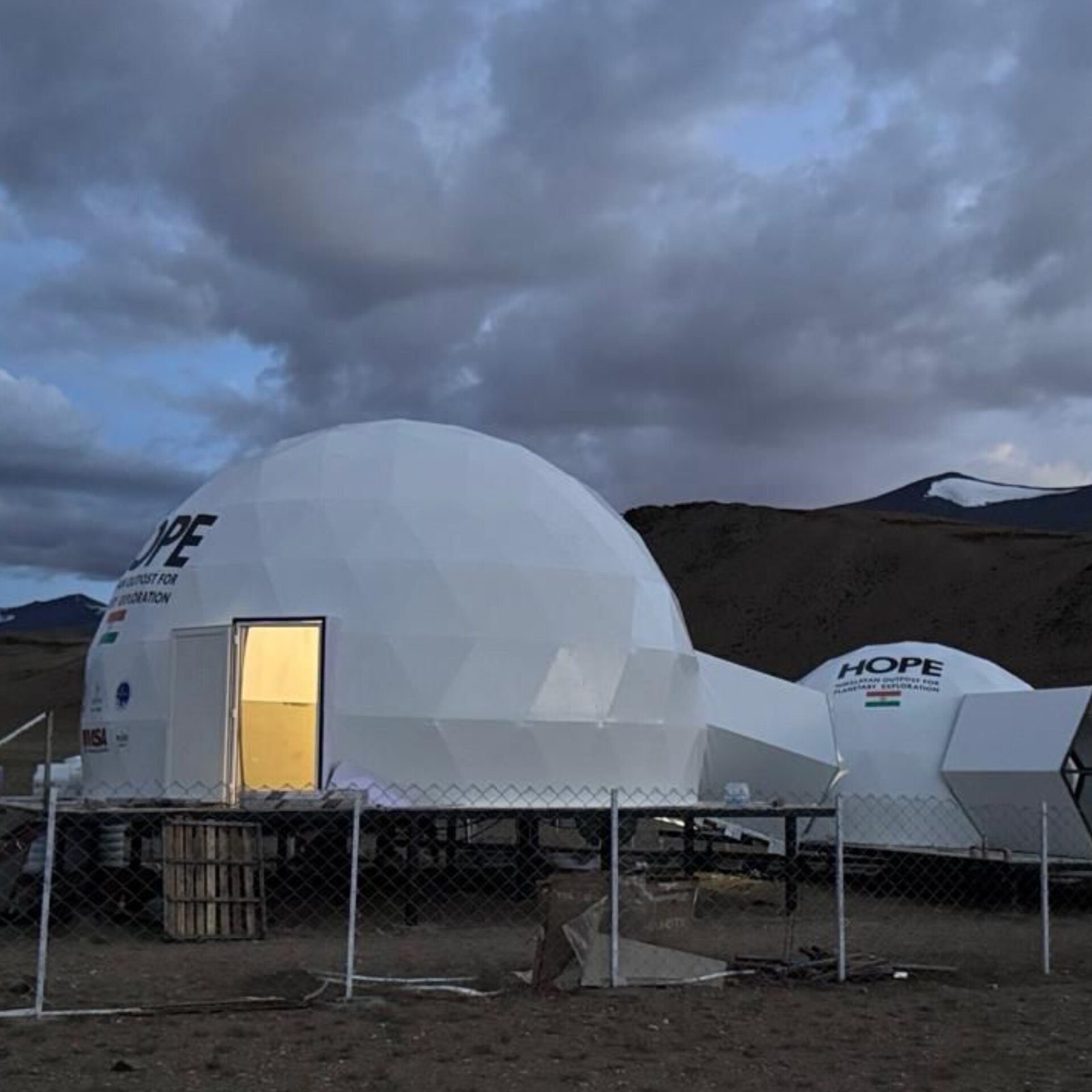
ISRO Chief Dr V Narayanan inaugurated the Himalayan Outpost for Planetary Exploration (HOPE) in Ladakh to simulate life on Mars. Located at 4.3 km altitude in Tso Kar Valley, the HOPE facility mimics Martian conditions—extreme cold, low pressure, and UV radiation. The 10-day analogue mission from August 1-10 involves institutions like IIST and IIT Bombay, studying psychological and physiological responses in isolation. The Rs 1 crore project by private firm Protoplanet, with Mahindra as mobility partner, is part of India’s push for human spaceflight. India aims for a space station by 2035 and a crewed lunar landing by 2040. (PC: X)

