Brief by Shorts91 Newsdesk / 05:09am on 06 Aug 2025,Wednesday Science
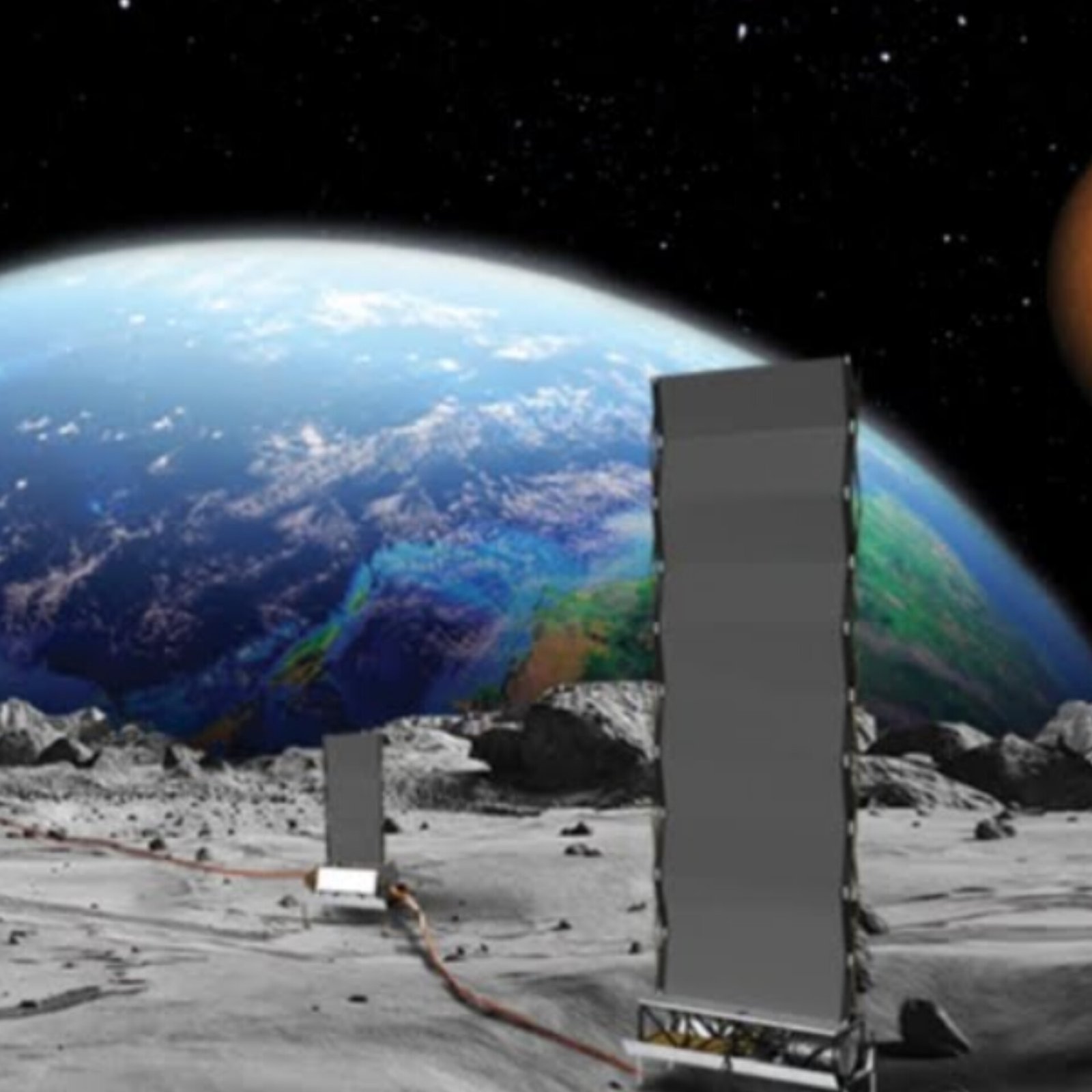
Nasa aims to build a nuclear reactor on the Moon by 2030 to power future lunar bases, US media reports. The plan, fast-tracked by acting Nasa head Sean Duffy, follows warnings that China and Russia could establish "keep-out zones" on the Moon. The reactor would generate 100 kilowatts—small, but vital for surviving long lunar nights. While experts call nuclear energy "inevitable" for Moon missions, concerns remain over Nasa’s budget cuts and political motivations. China and Russia plan a lunar reactor by 2035. Scientists warn against a new geopolitical space race overshadowing global scientific cooperation and long-term exploration goals. (PC: BBC)

Brief by Shorts91 NewsDesk / 11:11am on 04 Aug 2025,Monday Science
Harvard astrophysicist Avi Loeb has reignited debate over extraterrestrial life by suggesting that the newly discovered interstellar object 3I/ATLAS may be an alien craft. Though officially classified as a comet, Loeb argues its unusual trajectory as it’s passing close to Venus, Mars, Jupiter and lack of typical cometary features point to intelligent design. He warns that the object, which will reach its closest point to the Sun on October 29, could be either benign or hostile, urging policymakers to prepare for both outcomes. Loeb proposes a “Richter scale” for alien risk and calls for global readiness. NASA maintains 3I/ATLAS poses no threat, but Loeb insists Earth must not dismiss the possibility of advanced alien technology. (PC: NDTV & The Guardian)

Brief by Shorts91 NewsDesk / 11:09am on 04 Aug 2025,Monday Science
Arvinder “Arvi” Singh Bahal, an 80-year-old Agra-born adventurer and U.S. citizen, blasted off into space aboard Jeff Bezos’ Blue Origin NS-34 mission on August 3. Bahal, who has visited every country on Earth, both poles, and skydived over Everest and the Pyramids of Giza, joined five other global explorers on the 14th crewed flight of the New Shepard program. The suborbital journey crossed the Kármán line, marking the edge of space. Bahal, a licensed pilot and helicopter flyer, called the flight the pinnacle of his lifelong quest for exploration. Blue Origin has now flown 70 people to space, with Bahal’s journey hailed as a symbol of curiosity and ambition without borders. (PC: Instagram & Hindustan Times)
Brief by Shorts91 Newsdesk / 11:27am on 03 Aug 2025,Sunday Science
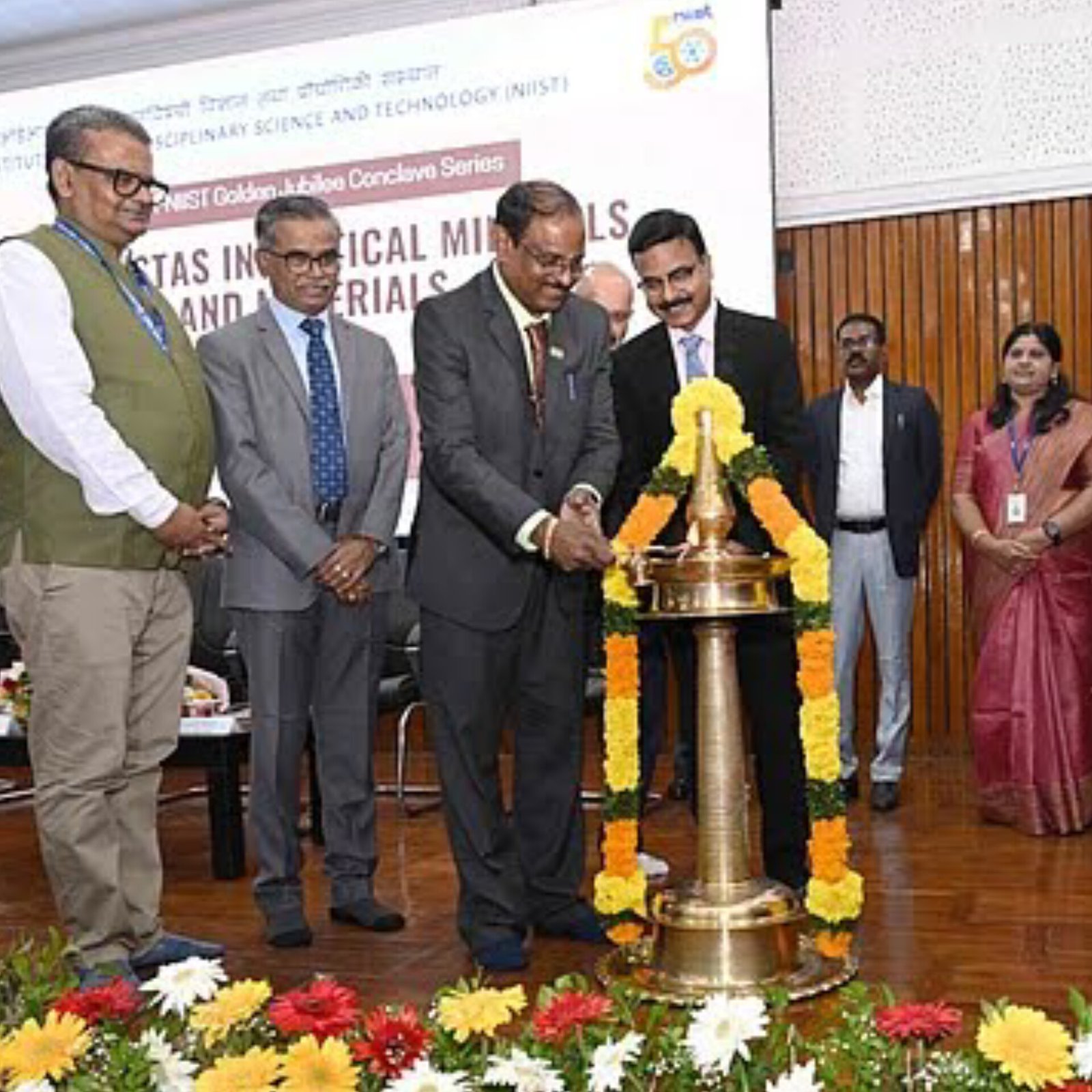
India’s ambitious space station project, the Bharatiya Antariksh Station (BAS), is rapidly progressing, with the first module (BAS‑1) slated for launch in 2028, according to ISRO Chairman S. Somanath. The 52-tonne station will be built in five stages, supporting microgravity experiments and human missions. The complete assembly is targeted for 2035. This announcement coincides with steady progress on Gaganyaan, India’s maiden human spaceflight mission, which will have an uncrewed flight by December 2025 and a crewed mission in 2027. ISRO is also preparing launch vehicles and life support systems to meet international safety standards. (PC: Express)
Brief by Shorts91 Newsdesk / 03:01am on 03 Aug 2025,Sunday Science
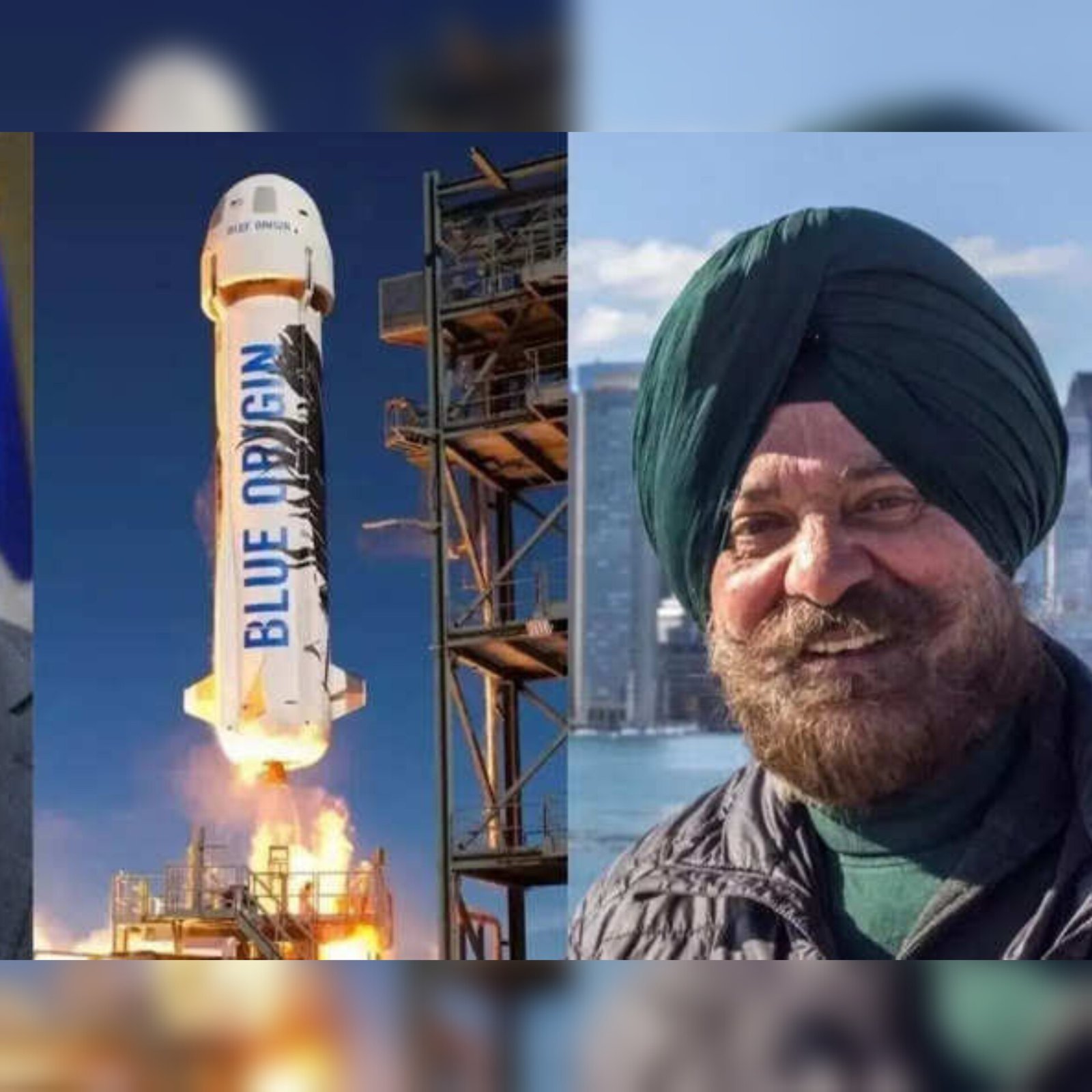
Real-estate investor Arvinder “Arvi” Singh Bahal, originally from Agra and now a naturalized U.S. citizen, is among six passengers aboard Blue Origin’s upcoming NS‑34 suborbital spaceflight scheduled for August 3, 2025 from West Texas . Known for his adventurous spirit—having visited every country, skydived Mount Everest and the Pyramids, and visited both poles—Bahal holds a private pilot’s license and flies helicopters . The 11‑minute mission aboard the reusable New Shepard rocket will cross the Kármán line, carrying six international civilians on Blue Origin’s 14th human and 34th overall flight. (PC: ET)
Brief by Shorts91 Newsdesk / 03:40pm on 02 Aug 2025,Saturday Science
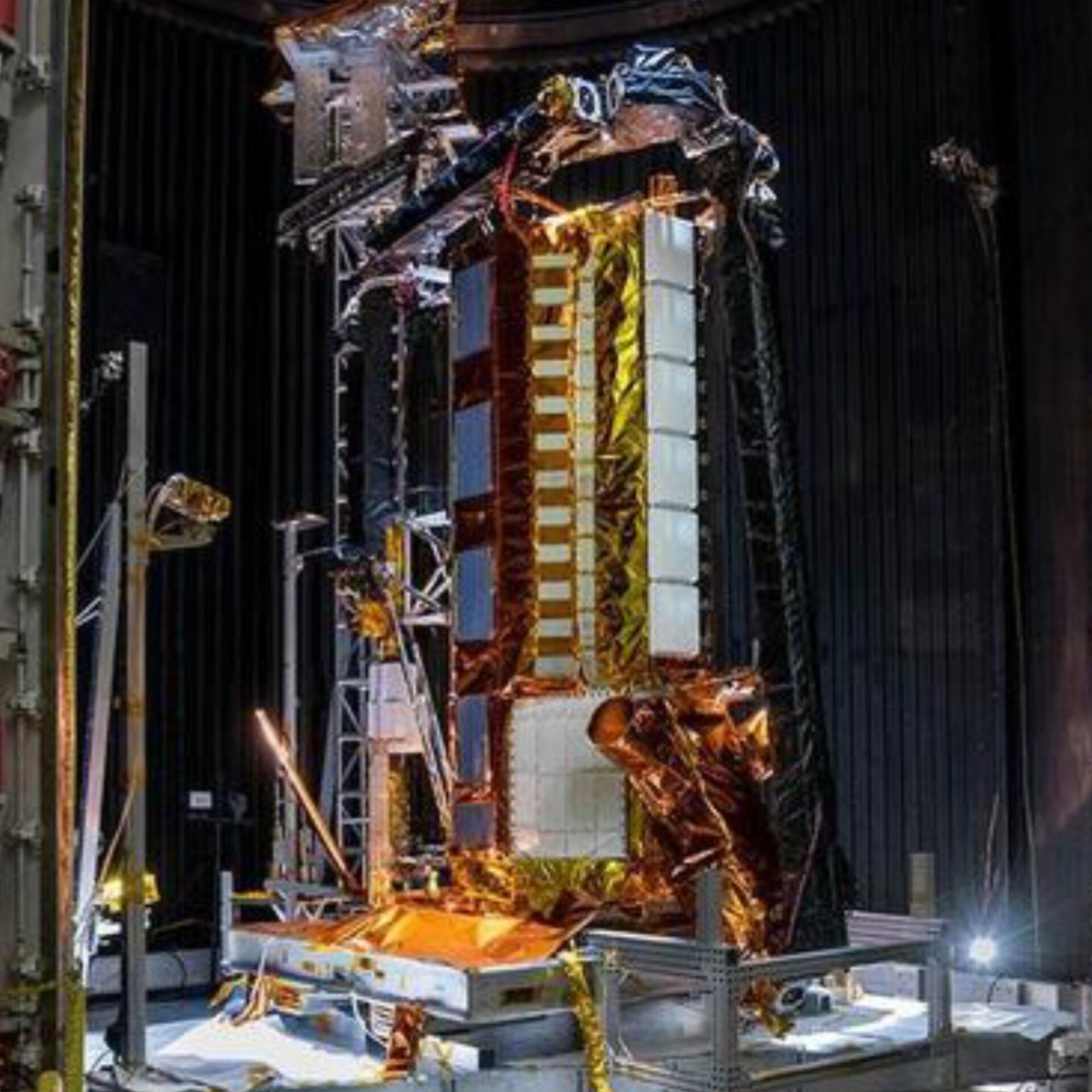
On July 30, 2025, the joint NASA‑ISRO NISAR (NASA‑ISRO Synthetic Aperture Radar) satellite launched from Satish Dhawan Space Centre aboard GSLV‑F16 . The $1.5 billion mission features dual-frequency radar (NASA’s L‑band and ISRO’s S‑band) capable of detecting surface changes as small as 1 cm, through clouds and darkness, revisiting each location every 12 days . NISAR will revolutionize monitoring of ice‑sheet collapse, land deformation, earthquakes, tsunamis, and ecosystem shifts, aiding disaster response, climate science, and infrastructure planning globally . As the first Earth‑observation mission co‑developed by NASA and ISRO, it marks a milestone in international collaboration and space innovation. (PC: NASA)

Brief by Shorts91 Newsdesk / 02:08pm on 02 Aug 2025,Saturday Science
ISRO Chairman V. Narayanan announced on August 1, 2025, that the failure analysis for the PSLV‑C61 mission carrying EOS‑09 has been completed, describing the anomaly as “small.” The mission, launched on May 18 at 05:59 AM IST from Sriharikota, failed when a pressure drop occurred in the third-stage PS3 motor, preventing satellite deployment. A National Failure Analysis Committee had been convened shortly after to investigate the root cause. The final report is expected to be formally submitted to the Prime Minister in the coming days. (PC: PTI)

Brief by Shorts91 Newsdesk / 12:57pm on 02 Aug 2025,Saturday Science
Two Indian scientists — aerospace engineer Rahul Mogalapalli and astrobiologist Yaman Akot — have begun a 10-day isolation mission inside a specially designed space habitat named HOPE (Human Outer Planet Exploration), located near Tso Kar in Ladakh at over 14,500 feet altitude. Built by ProToPlanet with ISRO's support, the dome mimics Martian conditions to test physical and psychological endurance required for interplanetary missions. The extreme altitude, oxygen scarcity, and rugged terrain resemble space-like challenges. Data from this mission will help refine astronaut training and support India's ambitions in future space exploration. (PC: The Print)

Brief by Shorts91 Newsdesk / 12:09pm on 02 Aug 2025,Saturday Science
Following the successful launch of the NASA‑ISRO Synthetic Aperture Radar satellite, ISRO is preparing to launch the next U.S. collaboration: the BlueBird Block 2 communications satellite, developed by AST SpaceMobile. This mission will utilize ISRO’s LVM3 heavy‑lift rocket to deploy the satellite into low Earth orbit . Announced by ISRO Chairman V Narayanan, it is one of nine major launches planned before the current fiscal year ends . BlueBird Block 2 promises vastly expanded cellular broadband capacity with approximately ten times the bandwidth of the prior Block 1 satellites. (PC: PTI)

Brief by Shorts91 NewsDesk / 11:42am on 02 Aug 2025,Saturday Science
A mysterious interstellar object named 3I/ATLAS, discovered in July 2025, is set to pass within 130 million miles of Earth on October 30, sparking global intrigue. While NASA classifies it as a comet, Harvard astrophysicist Avi Loeb theorizes it could be alien technology, possibly even hostile. Loeb’s paper suggests the object’s unusual trajectory and retrograde orbit may indicate intelligent design, with potential for stealth maneuvers while hidden behind the Sun. Though most scientists dismiss the theory, Loeb insists it’s a testable hypothesis worth exploring. The object’s size over 12 miles wide and speed have intensified debate over extraterrestrial surveillance and the need for planetary defense readiness. (PC: Evidence Network & India Today)

