Brief by Shorts91 NewsDesk / 04:29am on 19 Aug 2025,Tuesday Science
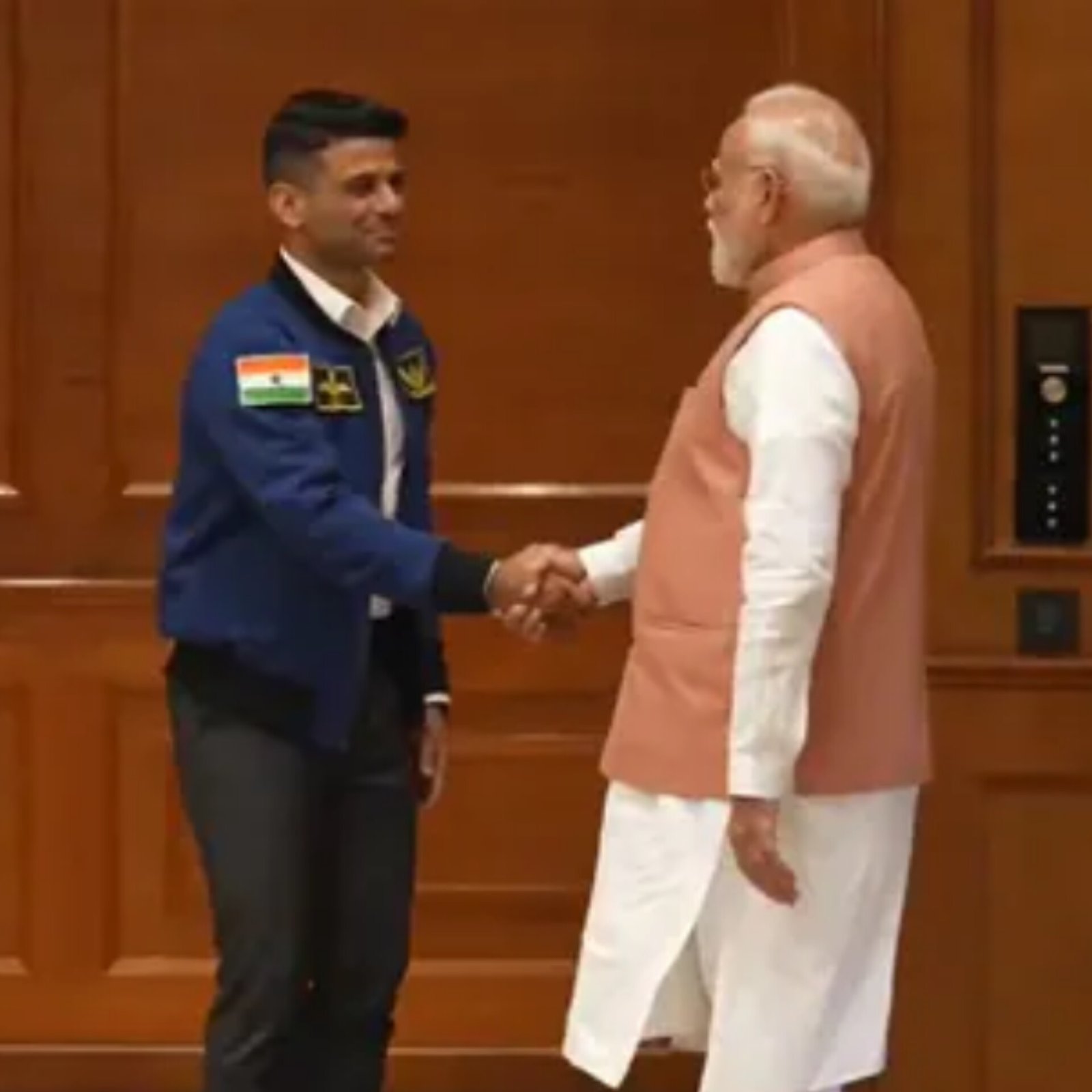
Group Captain Shubhanshu Shukla, India’s first astronaut to visit the International Space Station (ISS), met Prime Minister Narendra Modi at his residence on August 18, 2025. Shukla, who flew aboard the Axiom-4 mission from June 25 to July 15, gifted Modi the Indian tricolour that accompanied him in orbit and the mission patch. Modi welcomed him warmly, calling the achievement “just the first step in Bharat’s journey of human spaceflight.” Shukla fulfilled Modi’s earlier request to document his ISS experience to support India’s Gaganyaan mission. He conducted over 60 experiments and 20 outreach sessions during the mission, collaborating with astronauts from the U.S., Poland, and Hungary. India hailed his return with pride.
Brief by Shorts91 Newsdesk / 02:54pm on 18 Aug 2025,Monday Science
Astronaut Shubhanshu Shukla, the second Indian to travel to space, met Prime Minister Narendra Modi in New Delhi on Monday. Shukla, who piloted the Axiom-4 mission to the International Space Station (ISS), gifted Modi the mission patch and shared pictures of Earth from space. Modi welcomed him warmly, praising his achievement. Shukla returned to India on Sunday after his 18-day mission, which included over 60 scientific experiments and 20 outreach activities. He was earlier greeted by Delhi chief minister Rekha Gupta, Union minister Jitendra Singh, and ISRO chairman Dr V Narayanan. Shukla will also attend National Space Day celebrations. (PC: HT)
Brief by Shorts91 NewsDesk / 08:25am on 18 Aug 2025,Monday Science
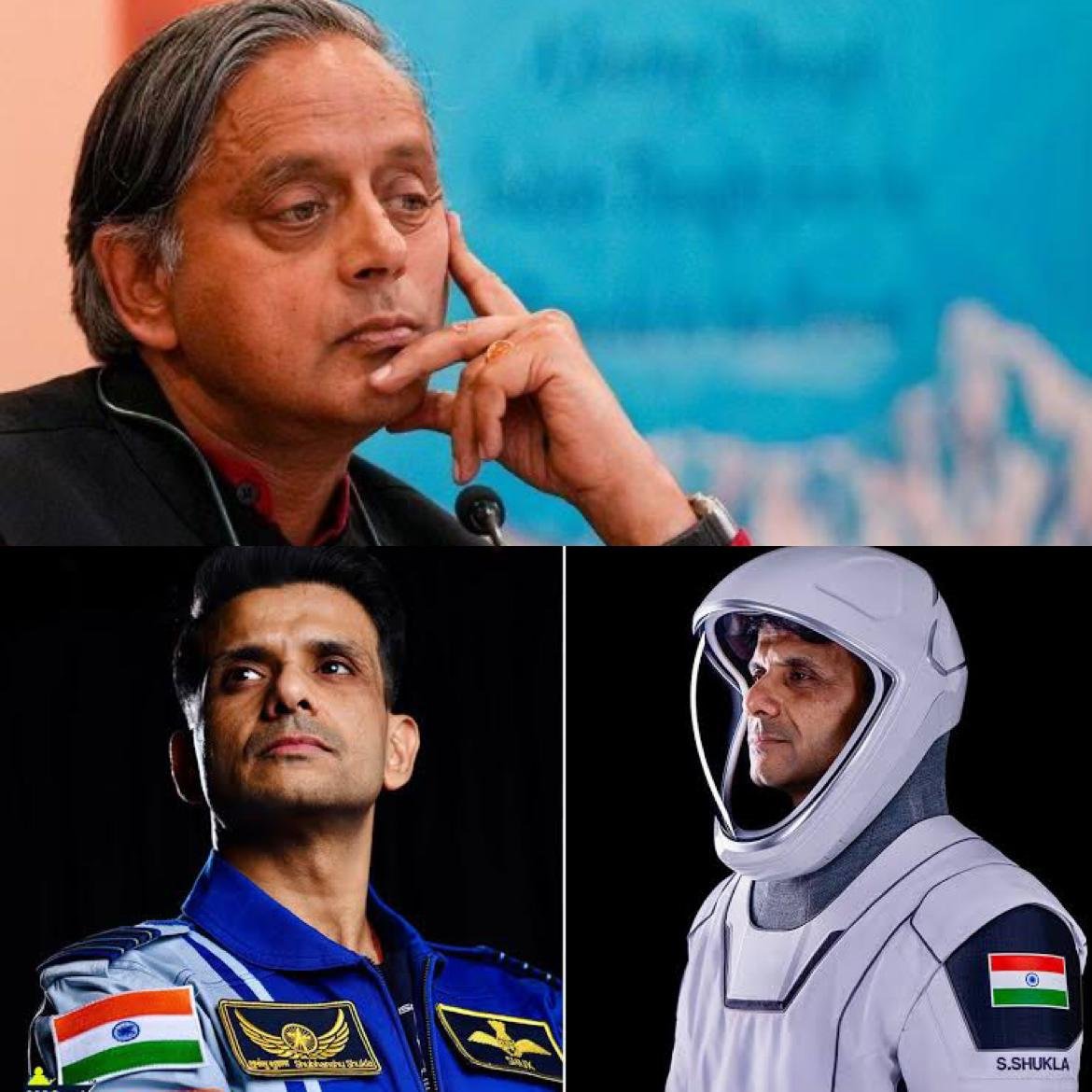
Congress MP Shashi Tharoor hailed astronaut Group Captain Shubhanshu Shukla’s historic mission to the International Space Station as a “powerful symbol” of India’s human spaceflight ambitions. Despite the government’s call for a special Lok Sabha discussion on Shukla’s achievement and its role in the Gaganyaan program, the opposition boycotted the debate over voter list revisions in Bihar. Tharoor emphasized Shukla’s contributions to testing Indian systems in space and advancing global space diplomacy. His mission is seen as pivotal for inspiring youth in STEM fields and refining protocols for future missions. Parliamentary Affairs Minister Kiren Rijiju urged opposition participation, likening the moment to Operation Sindoor’s bipartisan spirit. (PC: Mint & Deccan Herald)
Brief by Shorts91 Newsdesk / 11:28am on 17 Aug 2025,Sunday Science
Group Captain Shubhanshu Shukla, the first Indian to visit the International Space Station (ISS) and the second Indian in space, returned to India early Sunday following his Axiom-4 mission . He was received at Delhi’s Indira Gandhi International Airport by dignitaries including Union Minister Jitendra Singh, Delhi CM Rekha Gupta, and ISRO Chairman V. Narayanan . Shukla will soon meet Prime Minister Modi before heading to Lucknow and later participating in National Space Day celebrations . This milestone reflects both national pride and India’s advancing role in human space exploration.
Brief by Shorts91 Newsdesk / 05:17am on 17 Aug 2025,Sunday Science
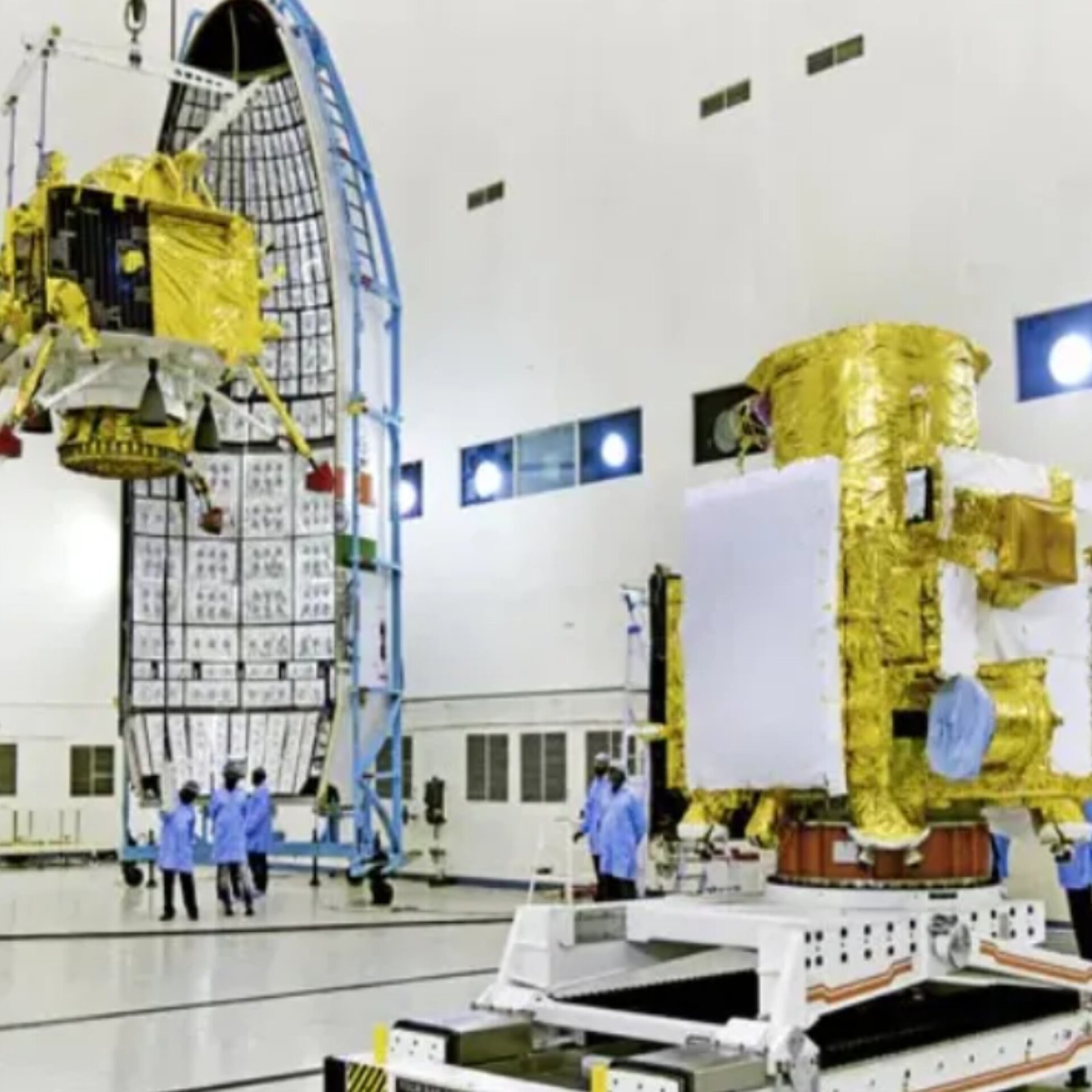
Arunachal Pradesh's Education Minister Pasang Dorjee Sona inaugurated a cutting-edge Pasang Wangchuk Sona ISRO Space Laboratory at Mechuka Government Higher Secondary School in remote Shi-Yomi district, a collaborative initiative by ISRO and Muskaan Foundation to boost space science education . Named in honor of the minister’s late father, the lab is designed to offer students hands-on experience in space science and technology, nurturing curiosity, innovation, and scientific thinking among rural youth . The inauguration, held on August 16, 2025, drew the presence of local officials, educators, students, and community leaders, marking a proud moment for education outreach in the region .
Brief by Shorts91 Newsdesk / 02:55am on 17 Aug 2025,Sunday Science
Group Captain Shubhanshu Shukla, India’s second astronaut and the first to dock aboard the International Space Station, returned home early Sunday after completing the NASA-led Axiom-4 mission . His aircraft touched down at Delhi’s IGI Airport, where he was warmly received by Union Minister Jitendra Singh, Delhi CM Rekha Gupta, ISRO Chairman V. Narayanan, and enthusiastic citizens . PM Narendra Modi is expected to meet him, and Shukla will participate in National Space Day celebrations . His mission’s insights are seen as vital contributions to India's upcoming Gaganyaan human spaceflight and future space ambitions.
Brief by Shorts91 Newsdesk / 12:15pm on 16 Aug 2025,Saturday Science
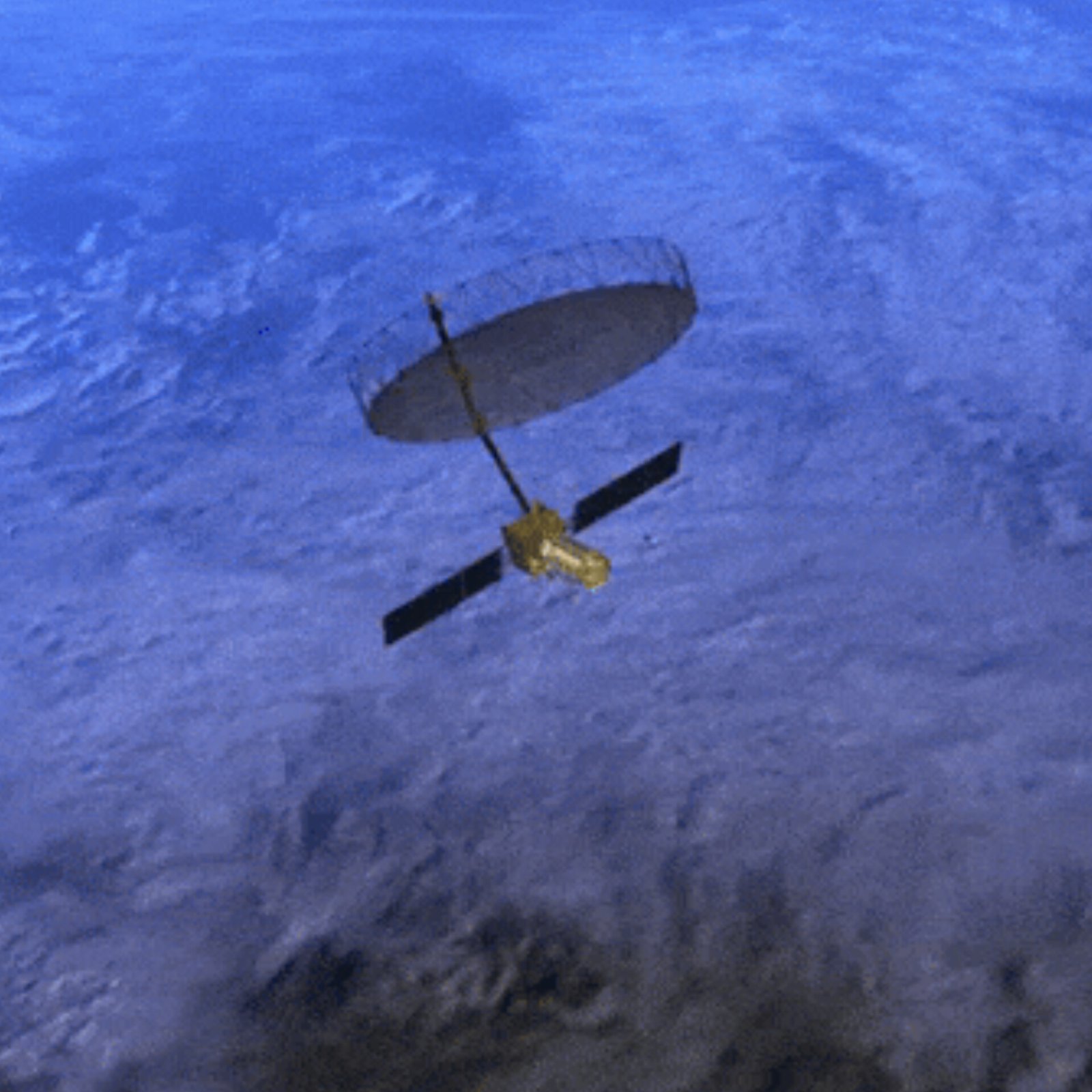
The NASA–ISRO Synthetic Aperture Radar (NISAR) satellite has successfully unfolded its massive 12-meter-wide radar antenna reflector in orbit—a pivotal moment that transitions the mission from launch to commissioning. With the reflector fully deployed and locked, engineers can now perform critical system checks, calibration, and tuning of its dual-band radar systems (L-band by NASA; S-band by ISRO), vital for capturing high-resolution Earth observations. Once operational, NISAR will begin mapping the entire planet every 12 days, providing real-time data essential for monitoring climate-driven changes, natural disasters, and environmental shifts like glacier melting, land deformation, forest health, and water-cycle dynamics. (PC: NASA)
Brief by Shorts91 Newsdesk / 06:56am on 16 Aug 2025,Saturday Science
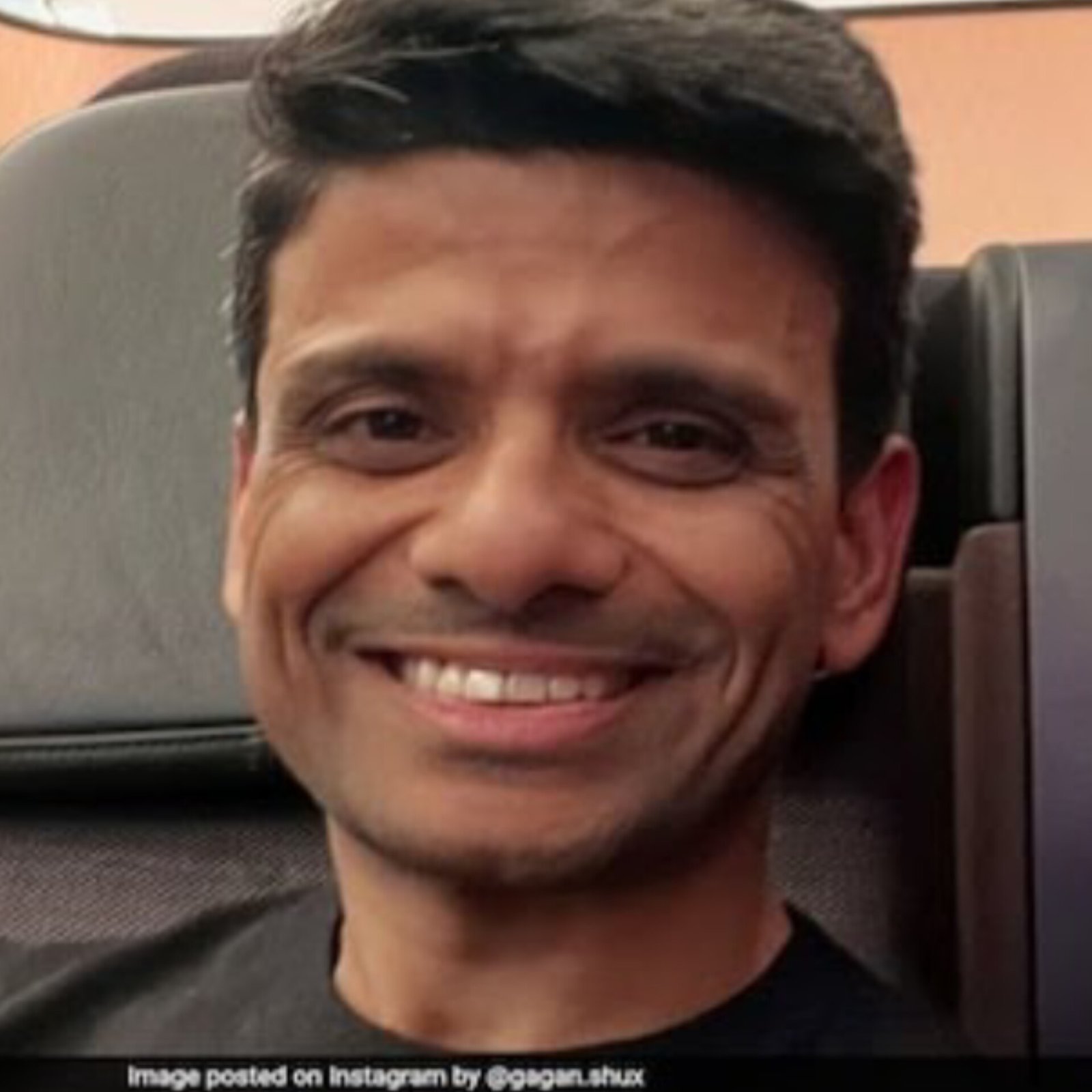
Group Captain Shubhanshu Shukla, India’s celebrated astronaut of the Axiom-4 mission, is heading back to India — marking his first return since the successful International Space Station expedition . Sources indicate he may meet Prime Minister Narendra Modi this Monday to share insights and experiences critical to India’s upcoming Gaganyaan human spaceflight program . Upon landing tomorrow, he will also participate in the National Space Day celebrations on August 23. Shukla spent 18 days aboard the ISS conducting seven India-specific experiments, whose results are now being reviewed by Indian scientists. (PC: NDTV)
Brief by Shorts91 Newsdesk / 03:53am on 16 Aug 2025,Saturday Science
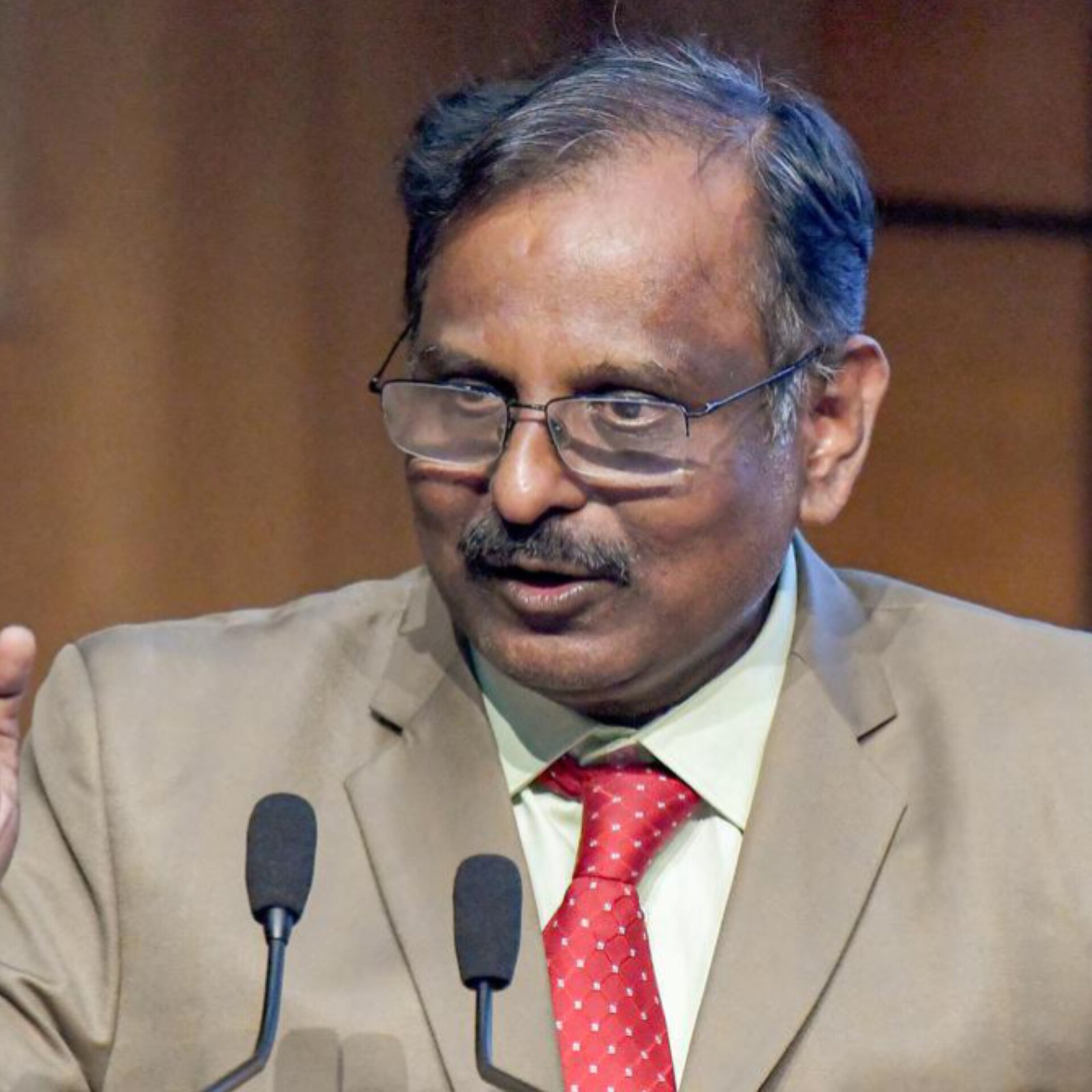
ISRO Chairman V. Narayanan unveiled bold timelines: a crewed Gaganyaan mission is slated for early 2027, preceded by uncrewed test flights in 2025, marking India’s definitive push into human spaceflight. Concurrently, India plans its own modular space station, with the first 52-tonne module due in orbit by 2028, and full deployment by 2035. The Gaganyaan programme has been reinforced with enhanced systems, including human-rating of the launcher and astronaut safety measures like escape mechanisms and robust re-entry shielding. These milestones underscore India’s ambition to become a key global player in space exploration and human spaceflight leadership. (PC: ANI)
Brief by Shorts91 Newsdesk / 06:57am on 15 Aug 2025,Friday Science
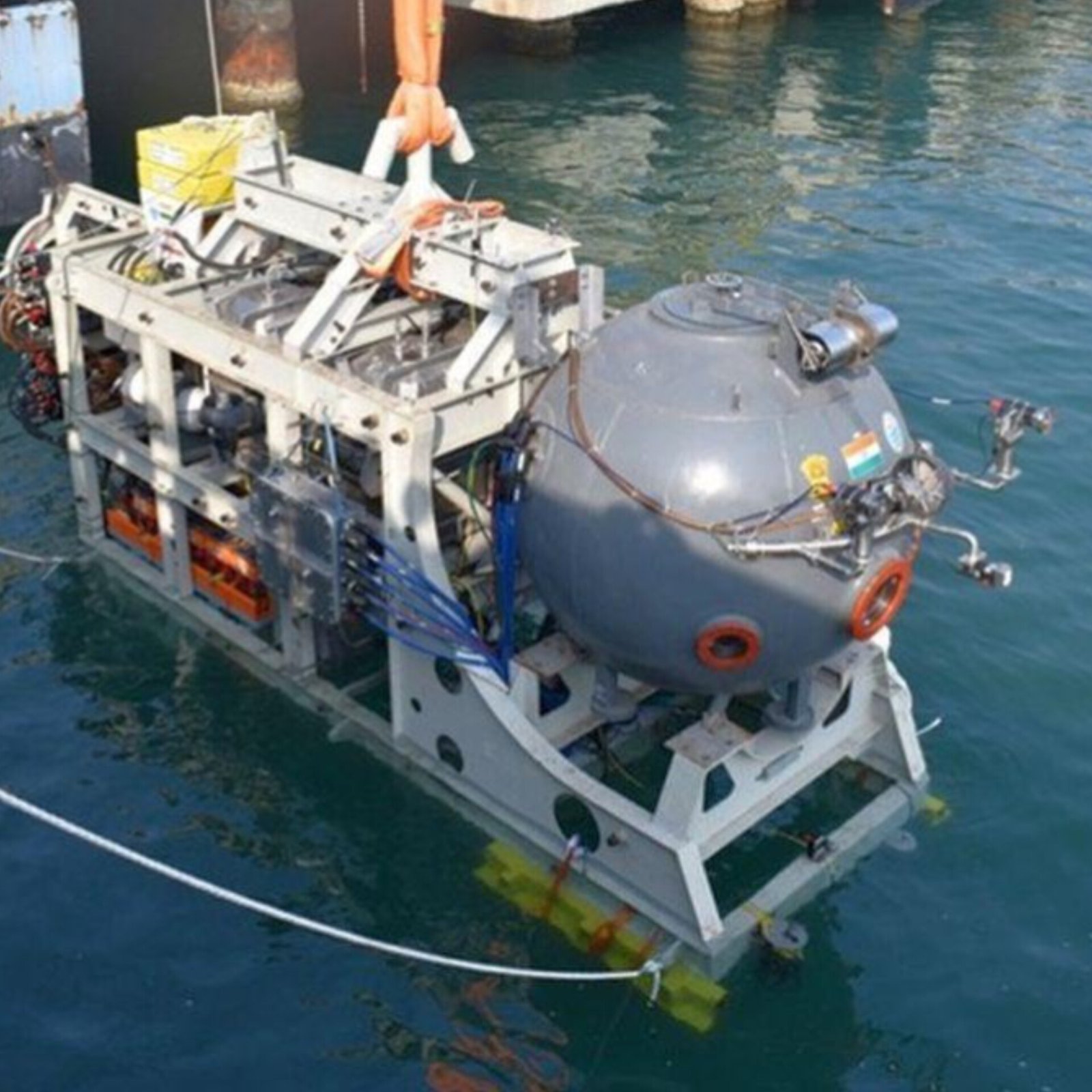
Two Indian aquanauts achieved a landmark deep-sea dive on August 5–6, 2025, reaching depths of 4,025 m and 5,002 m in the North Atlantic aboard the French submersible Nautile. Raju Ramesh and Commander (Retd) Jatinder Pal Singh completed these unprecedented dives as part of preparations for India’s Samudrayaan Deep Ocean Mission. This milestone equipment operation marks India’s entry into elite club of nations capable of manned deep-sea exploration and paves the way for the indigenously developed Matsya 6000 submersible, expected to carry a crew of three to 6,000 m by December 2027. (PC: X)

