Brief by Shorts91 Newsdesk / 04:36am on 19 Oct 2025,Sunday Science
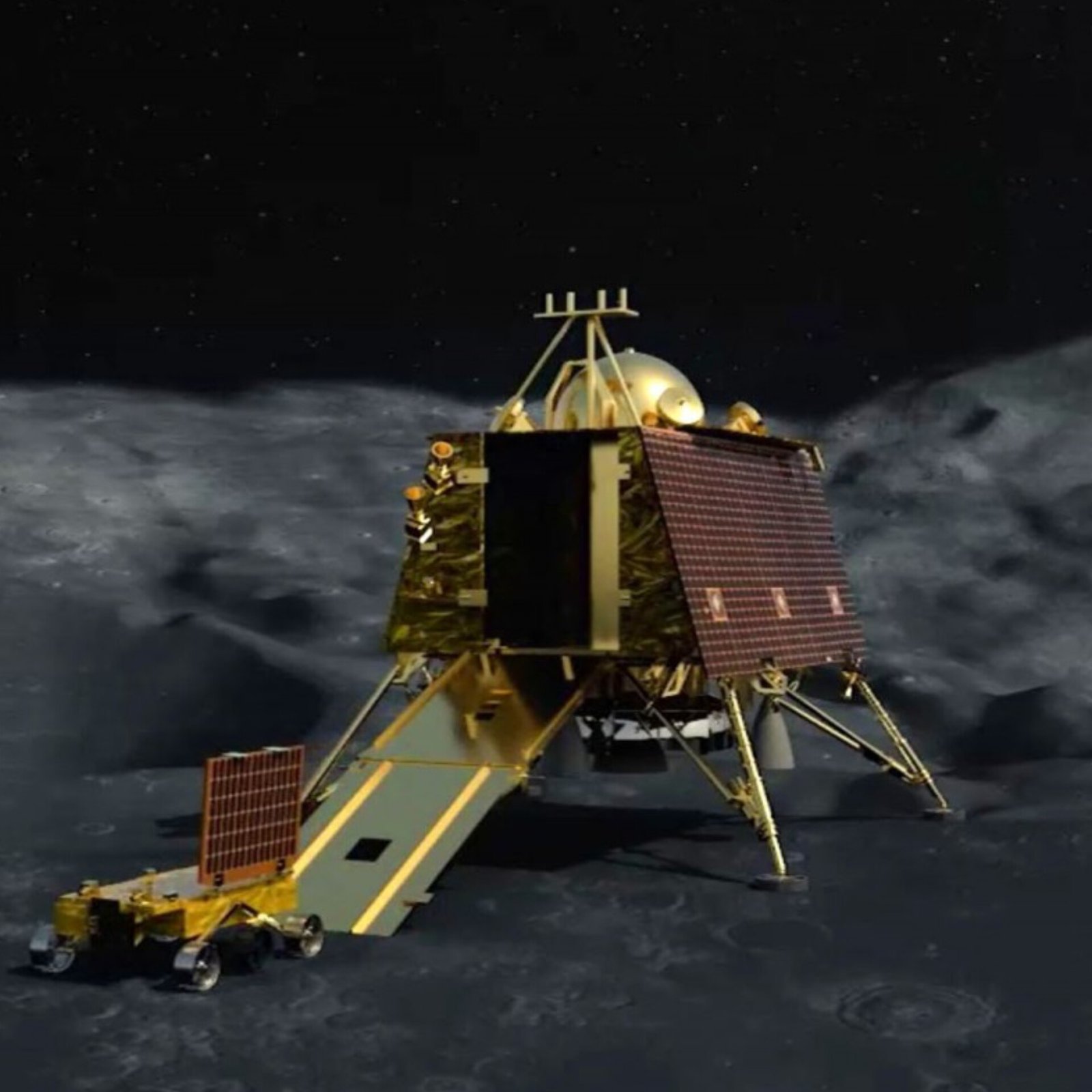
India's Chandrayaan-2 mission has achieved a significant milestone by making the first-ever observation of the Sun's Coronal Mass Ejection (CME) effects on the Moon. Utilizing its onboard instrument, Chadrayan's Atmospheric Compositional Explorer-2 (CHACE-2), the orbiter detected a substantial increase in the total pressure of the lunar exosphere during a CME event on May 10, 2024. This enhancement, over an order of magnitude, aligns with theoretical models and provides critical insights into the Moon's fragile atmosphere and the broader impacts of space weather. These findings are pivotal for future lunar exploration and base construction.
Brief by Shorts91 Newsdesk / 08:38am on 15 Oct 2025,Wednesday Science
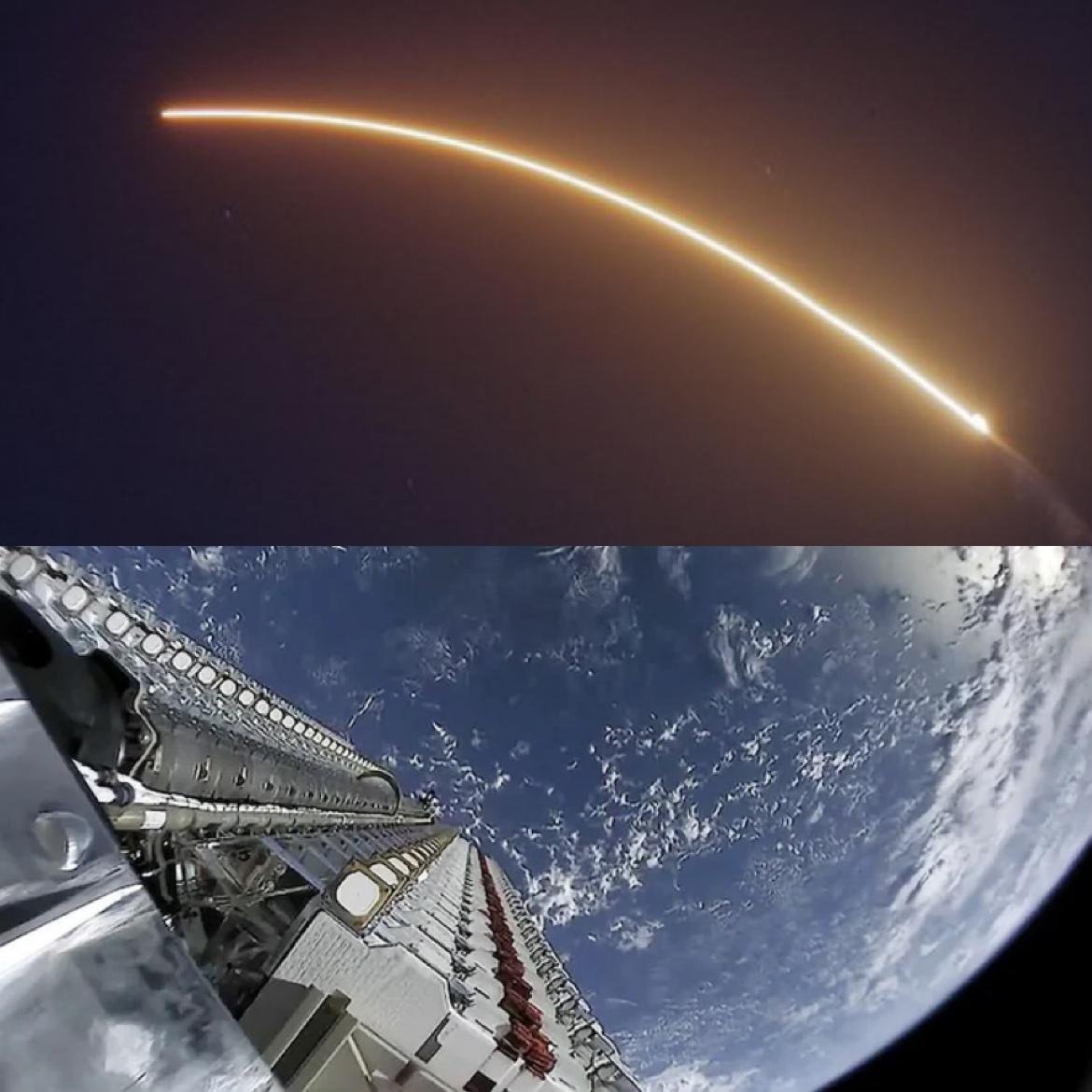
Scientists are raising alarms as Starlink satellites increasingly fall back to Earth, with one to two re-entries daily they are potentially rising to five amid expanding satellite constellations from SpaceX, Amazon, and China. Over 8,000 Starlink satellites currently orbit Earth, with projections nearing 50,000 total in low-Earth orbit. Astrophysicist Jonathan McDowell warns this surge risks triggering Kessler syndrome, a chain reaction of space debris collisions that could render parts of orbit unusable. The ongoing solar maximum worsens decay, as solar flares expand Earth’s atmosphere, dragging satellites down. While Starlink has revolutionized connectivity, experts stress urgent global coordination to manage orbital congestion and prevent catastrophic debris escalation. (PC: X & NDTV)
Brief by Shorts91 Newsdesk / 07:00am on 14 Oct 2025,Tuesday Science
Renewable energy surpassed coal as the world's leading electricity source in the first half of this year, marking a historic milestone according to global energy think tank Ember. This unprecedented shift is being driven by countries like China, India, Pakistan, and Nigeria, which are rapidly expanding their renewable energy capacity. The achievement represents a significant turning point in the global energy transition away from fossil fuels. However, the progress isn't uniform worldwide as the United States and Europe have increased their reliance on gas and coal during the same period. This divergence highlights the uneven pace of the renewable energy transition across different regions despite the overall global shift toward cleaner power sources.
Brief by Shorts91 Newsdesk / 12:53pm on 10 Oct 2025,Friday Science
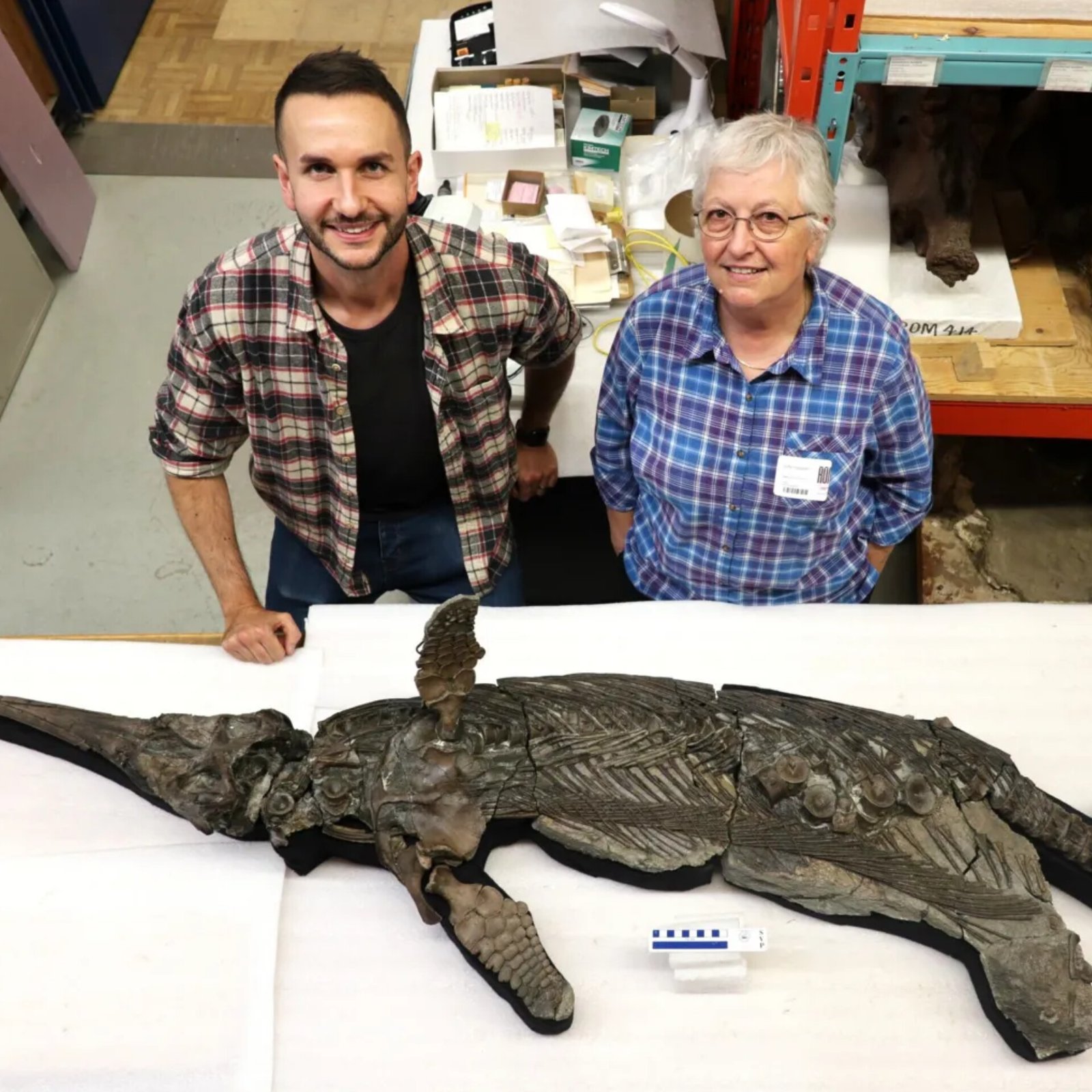
A near-complete 185-million-year-old fossil discovered on Dorset’s Jurassic Coast has been identified as a new ichthyosaur species, Xiphodracon goldencapensis — meaning “sword dragon of Dorset.” Measuring about 3 meters, the marine reptile had a long sword-like snout and enormous eye sockets. Ichthyosaur experts Dr. Dean Lomax and Prof. Judy Massare confirmed the find, calling it a missing link in ichthyosaur evolution. Fossil hunter Chris Moore discovered it at Golden Cap in 2001. Scientists say marks on the skull suggest the creature was killed by a larger ichthyosaur. The specimen is housed at the Royal Ontario Museum in Canada. (PC: BBC)
Brief by Shorts91 Newsdesk / 02:42pm on 08 Oct 2025,Wednesday Science
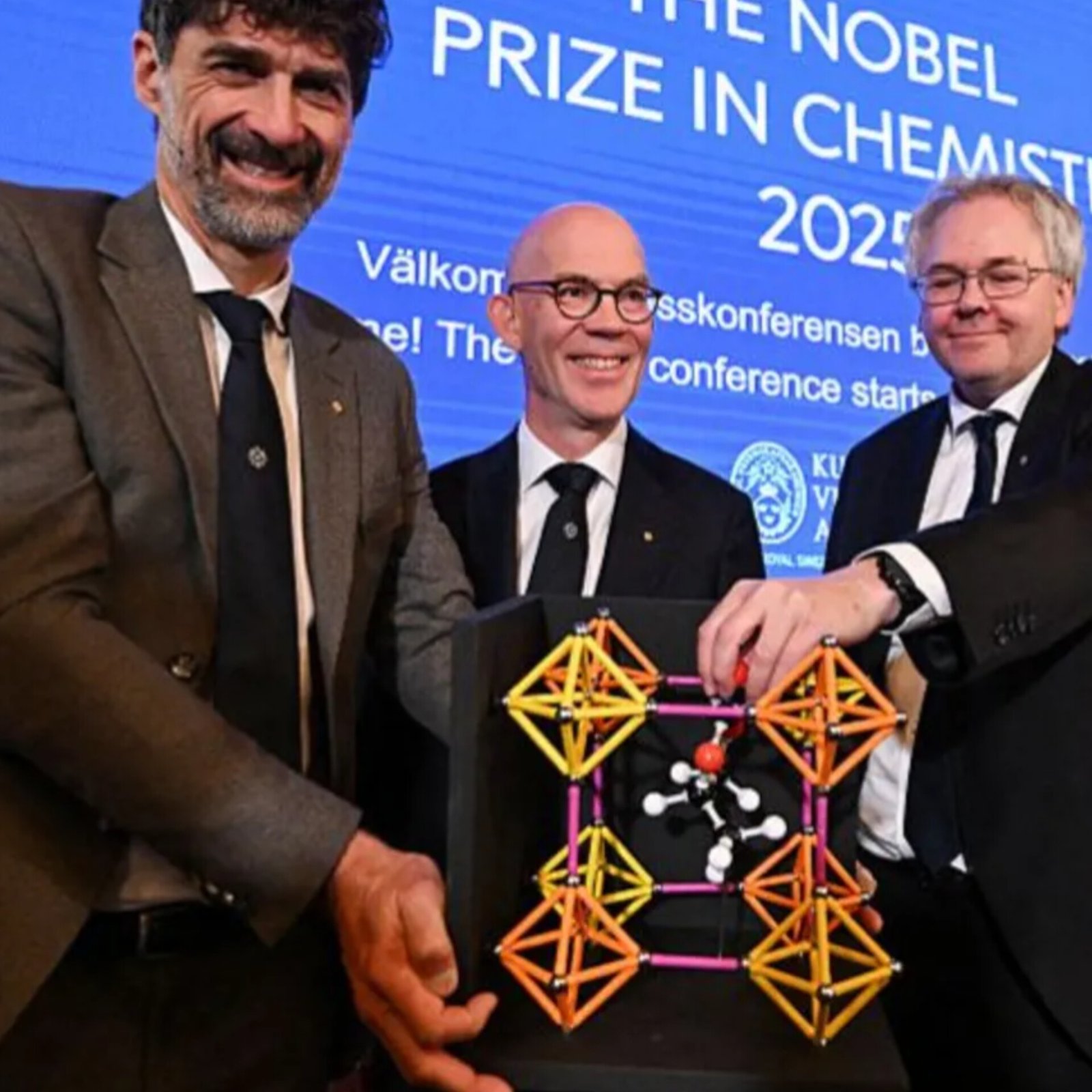
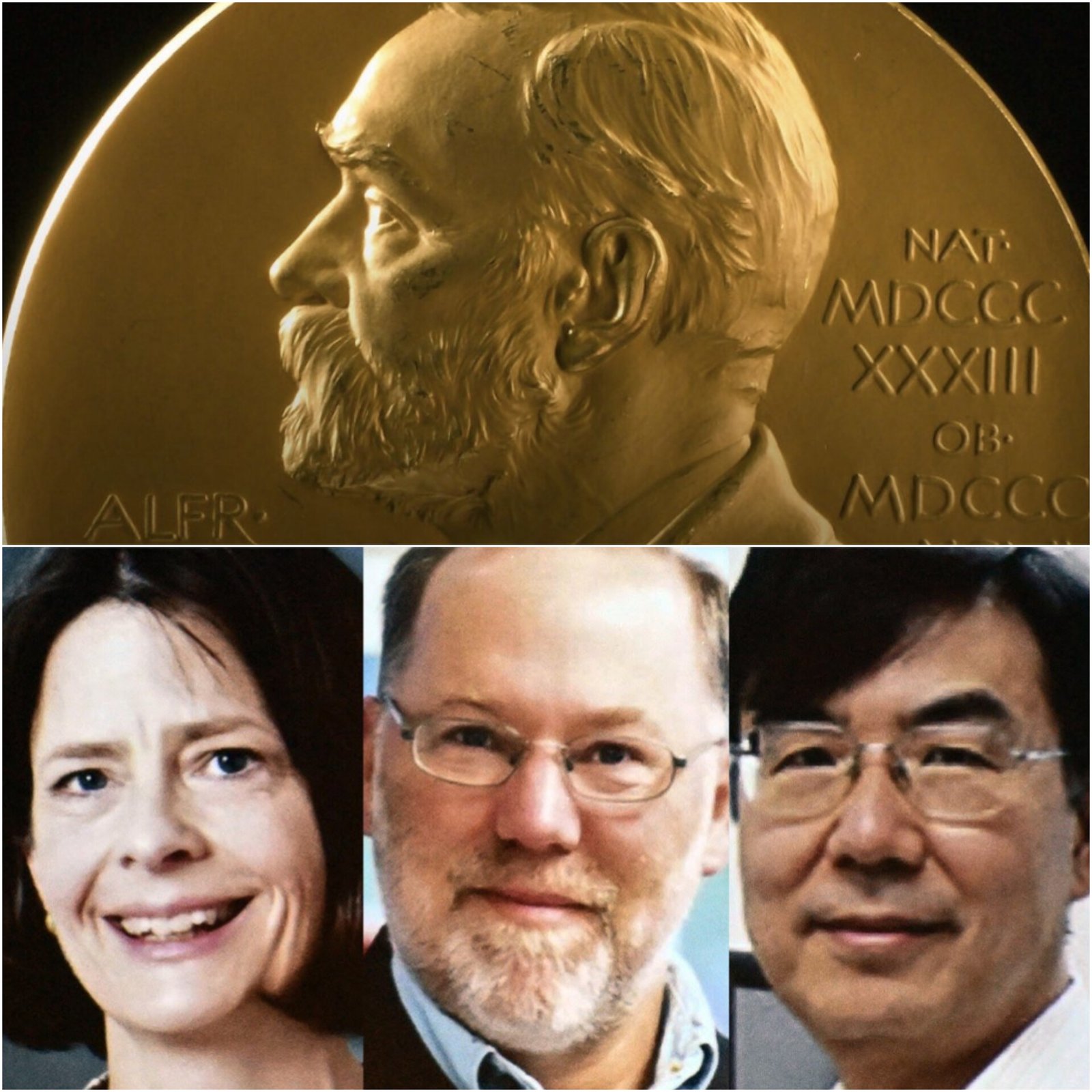
The 2025 Nobel Prize in Chemistry has been awarded to Susumu Kitagawa, Richard Robson, and Omar M. Yaghi for their work on metal-organic frameworks (MOFs). These structures have spaces that can trap gases and chemicals, helping tackle climate change and plastic pollution. The scientists’ research began decades ago and could capture carbon dioxide from power plants or break down harmful chemicals. MOFs are still small-scale but may be mass-produced in the future. The winners will share 11 million Swedish kronor (£872,000). Experts say their work shows how chemistry can address the planet’s biggest problems. (PC: BBC)
Brief by Shorts91 Newsdesk / 01:05pm on 06 Oct 2025,Monday Science
Mary E. Brunkow and Fred Ramsdell from the United States, and Shimon Sakaguchi from Japan, have won the 2025 Nobel Prize in Medicine. They were honored for discovering how the body prevents the immune system from attacking itself, a process called peripheral immune tolerance. Their research explained how regulatory T cells and the Foxp3 gene control immune balance, helping prevent autoimmune diseases. The Nobel Committee said their work led to new treatments for cancer and autoimmune disorders. The winners will share the $1.2 million prize. The award ceremony will take place on December 10 in Stockholm, Sweden. (PC: NBC News)

Brief by Shorts91 Newsdesk / 09:54am on 28 Sep 2025,Sunday Science
Indian researchers Vikash Kumar and Sarthak Mittal won the 2025 Ig Nobel Prize in engineering design for studying how smelly shoes affect shoe rack usage. Their study with 149 first-year Shiv Nadar University students found shoe odor is a common problem in India, worsened by heat, humidity, and poor ventilation. The research originated from Mittal's observations at youth hostels where guests left shoes outside rooms as courtesy. Kumar, 42, assistant professor at Shiv Nadar University, taught Mittal during undergraduate years. They developed a prototype shoe rack with UVC tube light to kill odor-causing bacteria. The Ig Nobel celebrates quirky but legitimate scientific research that makes people laugh then think. (PC: BBC & India Today)
Brief by Shorts91 Newsdesk / 03:14am on 27 Sep 2025,Saturday Science
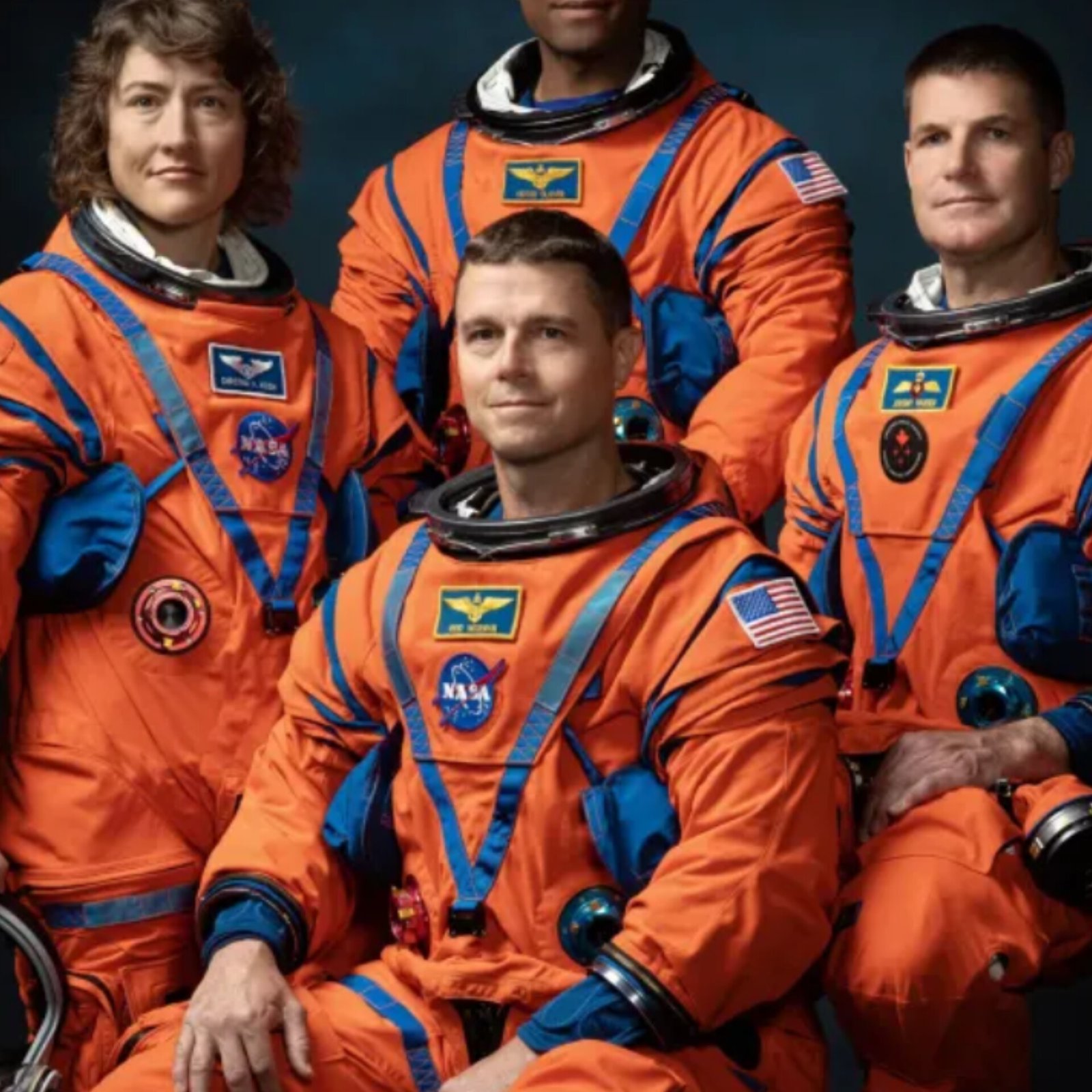
NASA’s Artemis II mission, a pivotal step in the Artemis program, aims to send astronauts on a 10-day journey around the Moon by February 2026. While the crew won’t land, the mission will mark the first human travel beyond low Earth orbit since 1972. The launch window could open as early as February 5, with safety as the top priority. Serving as a precursor to Artemis III, slated for 2027, the mission includes NASA astronauts Christina Koch, Victor Glover, Reid Wiseman, and Canadian Space Agency astronaut Jeremy Hansen aboard the Orion capsule atop the Space Launch System rocket from Kennedy Space Center in Florida.
Brief by Shorts91 Newsdesk / 11:05am on 23 Sep 2025,Tuesday Science
The Maharashtra government’s Vidyarthi Vigyan Vari scheme, unveiled in June 2025, aims to send 51 state-level science project finalists annually to NASA, pending final funding approval. Designed to recognize students who show scientific creativity beyond competition winners, the initiative also includes visits to ISRO and local science centres for district and tehsil-level achievers. The NASA leg alone costs ₹3 crore and awaits state clearance. Minister Pankaj Bhoyar emphasized the scheme’s goal to inspire deeper scientific research among students. Prize money for state-level winners has also increased from ₹5,000 to ₹51,000. If implemented, this could become a model for other states to nurture young scientific minds. (PC: Space)
Brief by Shorts91 NewsDesk / 01:36pm on 20 Sep 2025,Saturday Science
Residents across Delhi-NCR witnessed fiery streaks in the sky around 1:20 AM on Saturday, sparking awe and confusion. Videos of the phenomenon flooded social media, with users speculating whether it was a meteor shower or rocket debris. The streaks were visible from areas like Gurgaon and Bhikaji Cama Place. An AI bot, Grok, suggested it was likely debris from a Chinese CZ-3B rocket, citing slow speed and fragmentation. Some experts called it a “bolide” a bright meteor that explodes in the atmosphere. No official confirmation has been issued by ISRO or other space agencies, leaving the nature of the spectacle open to interpretation.

