Brief by Shorts91 Newsdesk / 04:40am on 03 Nov 2025,Monday Science
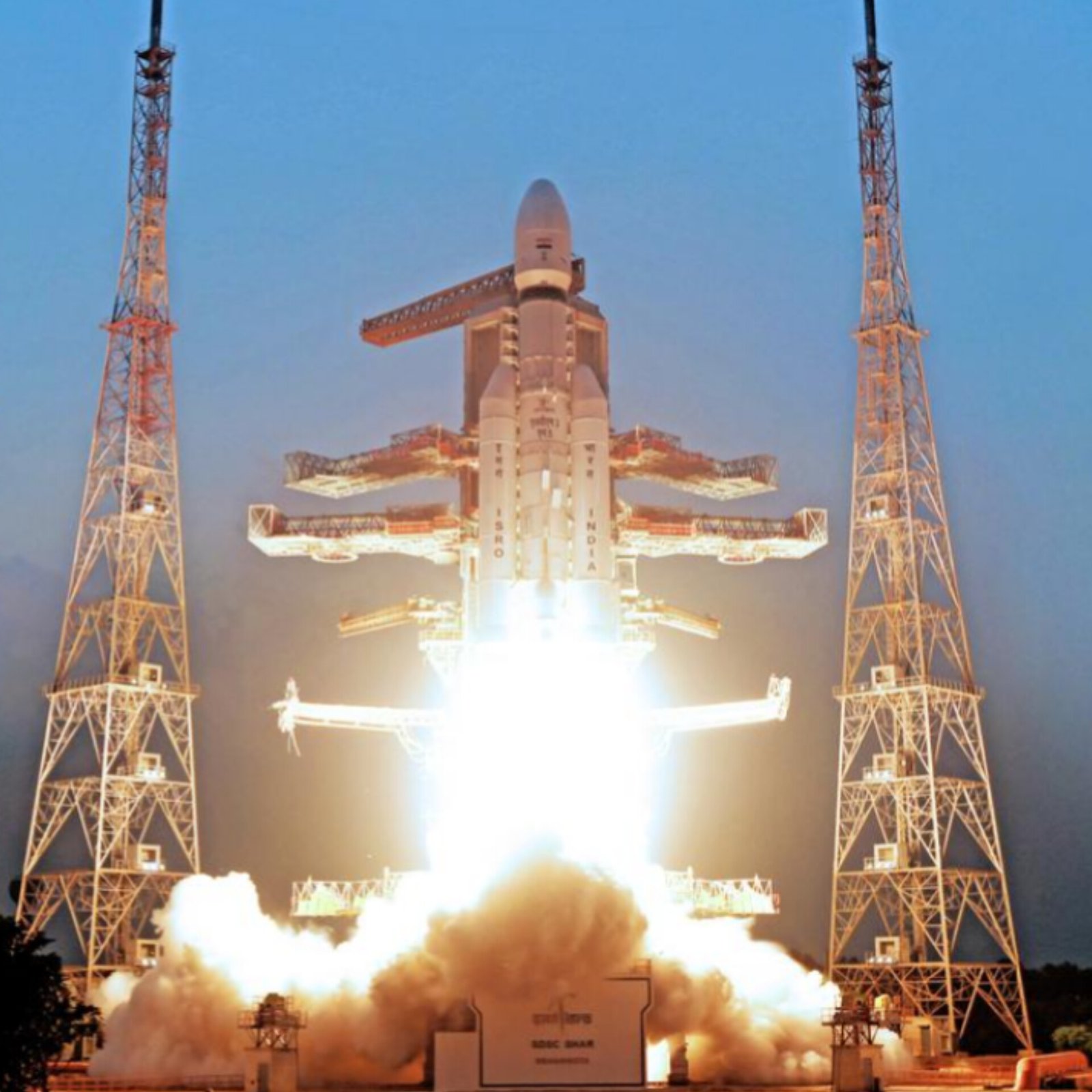
ISRO successfully launched India's heaviest communication satellite, CMS-03, aboard the LVM3-M5 rocket from Sriharikota's Satish Dhawan Space Centre at 5:35 pm today. Weighing approximately 4,400 kilograms, CMS-03 represents the fifth operational flight of the LVM3 launcher. Deployed into Geosynchronous Transfer Orbit, the satellite will deliver multi-band communication services spanning India and surrounding ocean regions, enhancing secure data, voice, and video transmission for civilian and strategic applications. ISRO Chairman Dr. V. Narayanan commended the achievement, highlighting India's capability in heavy satellite development and deployment. Prime Minister Narendra Modi congratulated ISRO scientists via X, emphasizing the mission as testament to India's space sector excellence and innovation, further strengthening the nation's communication infrastructure.
Brief by Shorts91 Newsdesk / 02:57pm on 02 Nov 2025,Sunday Science
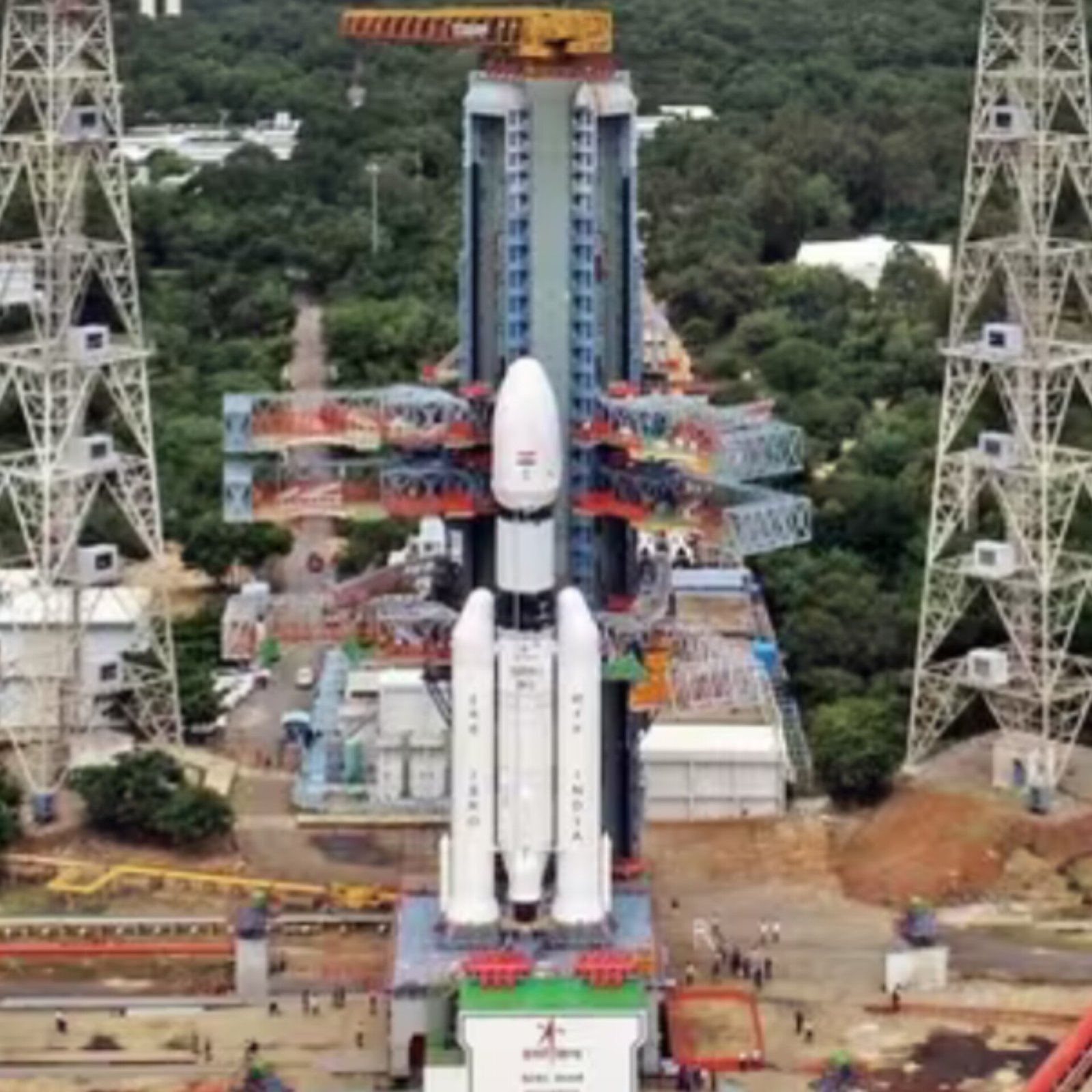
ISRO on Sunday launched its heaviest communication satellite, CMS-03, aboard the powerful LVM3 rocket from Sriharikota at 5:26 pm. The 4,410 kg satellite separated from the rocket about 16 minutes after liftoff. Also called GSAT-7R, CMS-03 will greatly improve the Indian Navy’s communication network across the Indian Ocean. It offers secure, high-speed voice, data, and video links between ships, submarines, aircraft, and command centers. With broader coverage and stronger bandwidth than its predecessor GSAT-7 “Rukmini,” the satellite boosts India’s maritime security and strengthens self-reliance under the Atmanirbhar Bharat mission. (PC: India Today)
Brief by Shorts91 Newsdesk / 12:17pm on 02 Nov 2025,Sunday Science
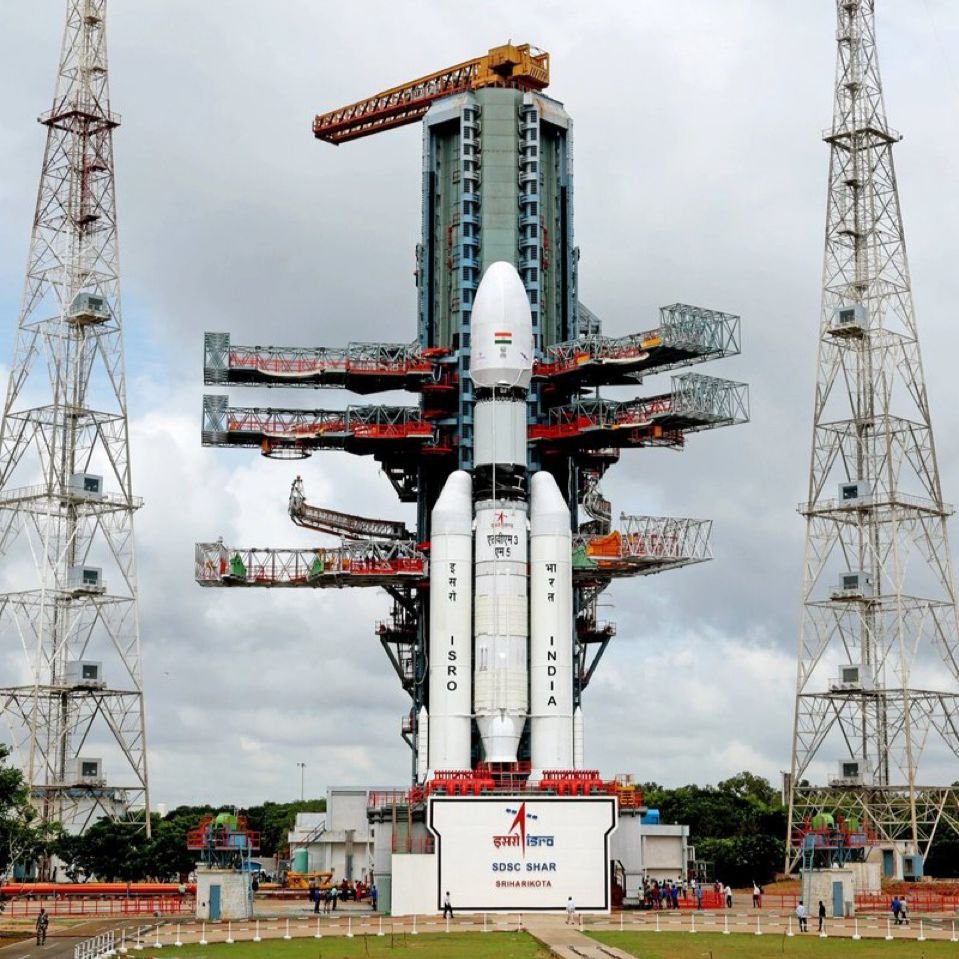
The Indian Space Research Organisation (ISRO) launched its heaviest communication satellite, CMS-03, from Sriharikota on Sunday evening. The satellite, weighing 4,410 kg, was carried by the LVM3-M5 rocket, also known as the ‘Bahubali’ for its power and size. The 43.5-metre-tall rocket lifted off at 5:26 pm after a smooth 24-hour countdown. This was the fifth operational flight of the LVM3 vehicle. The CMS-03 satellite will help improve communication services across India. Earlier, ISRO used foreign launch vehicles for heavy satellites, but this mission marks another step in India’s growing space capability and self-reliance. (PC: X/@isro)
Brief by Shorts91 Newsdesk / 12:07pm on 02 Nov 2025,Sunday Science
ISRO successfully launched India's heaviest communication satellite, CMS-03, weighing 4,410 kg, aboard the LVM3-M5 "Bahubali" rocket on Sunday at 5:26 PM IST from Satish Dhawan Space Centre, Sriharikota. The satellite, launched into Geosynchronous Transfer Orbit, is the heaviest ever launched from Indian soil to GTO. The 43.5-meter tall three-stage rocket featuring two S200 solid boosters, L110 liquid stage, and C25 cryogenic stage separated CMS-03 at 179-kilometer altitude at 10 km/second velocity. The multi-band communication satellite will provide services over wide oceanic regions including the Indian landmass. The launch marks potential end to ISRO's reliance on France's Arianespace for heavy satellites. LVM3 previously successfully launched Chandrayaan-3 to the lunar South Pole in 2023.
Brief by Shorts91 Newsdesk / 06:52am on 02 Nov 2025,Sunday Science
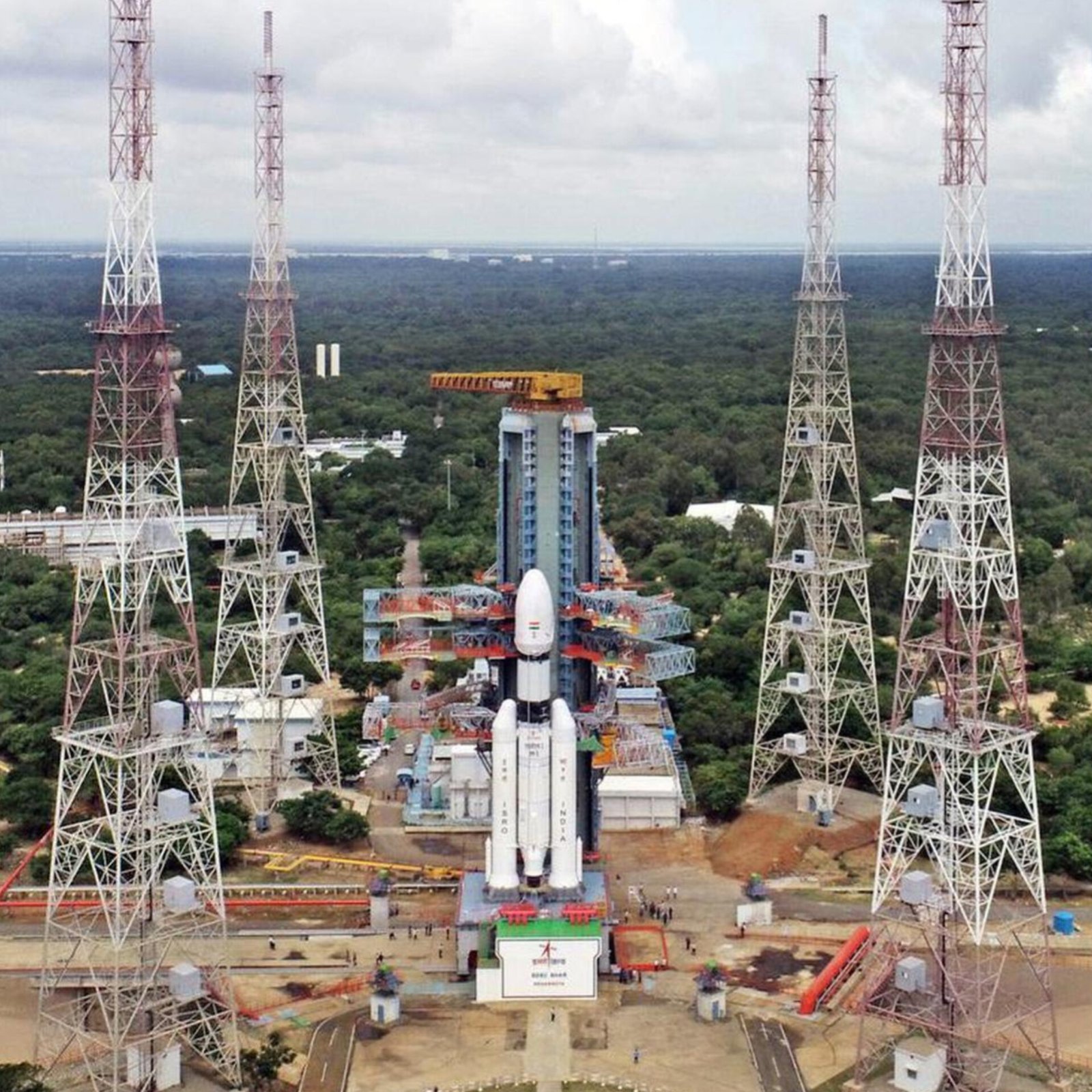
ISRO is launching India's heaviest communication satellite, CMS-03 (GSAT 7R), Sunday at 5:26 PM from Satish Dhawan Space Station's second launch pad in Sriharikota, Andhra Pradesh. Weighing approximately 4,400 kg, the indigenously developed satellite will strengthen the Indian Navy's space-based communications and maritime domain awareness capabilities. The multi-band satellite will provide services over wide oceanic regions including the Indian landmass. The LVM3 launch vehicle which successfully landed Chandrayaan-3 on the lunar South Pole will carry CMS-03 in its fifth operational flight. The 43.5-meter vehicle, with 642-tonne lift-off mass, will separate the satellite at 179-kilometer altitude at 10 km/second velocity into Geosynchronous Transfer Orbit. The launch will be live-streamed on ISRO's YouTube channel. (PC: ISRO)
Brief by Shorts91 Newsdesk / 03:43am on 02 Nov 2025,Sunday Science
Indian Space Research Organisation (ISRO) is gearing up to launch its heaviest ever communications satellite, CMS‑03 (also referred to as GSAT-7R) for the Indian Navy on November 2 2025. The mission will lift off aboard the heavy-lift LVM3 rocket from the Satish Dhawan Space Centre in Sriharikota, and is expected to markedly strengthen naval communications and surveillance capabilities across the Indian Ocean region. (PC: ANI)
Brief by Shorts91 Newsdesk / 01:57pm on 27 Oct 2025,Monday Science
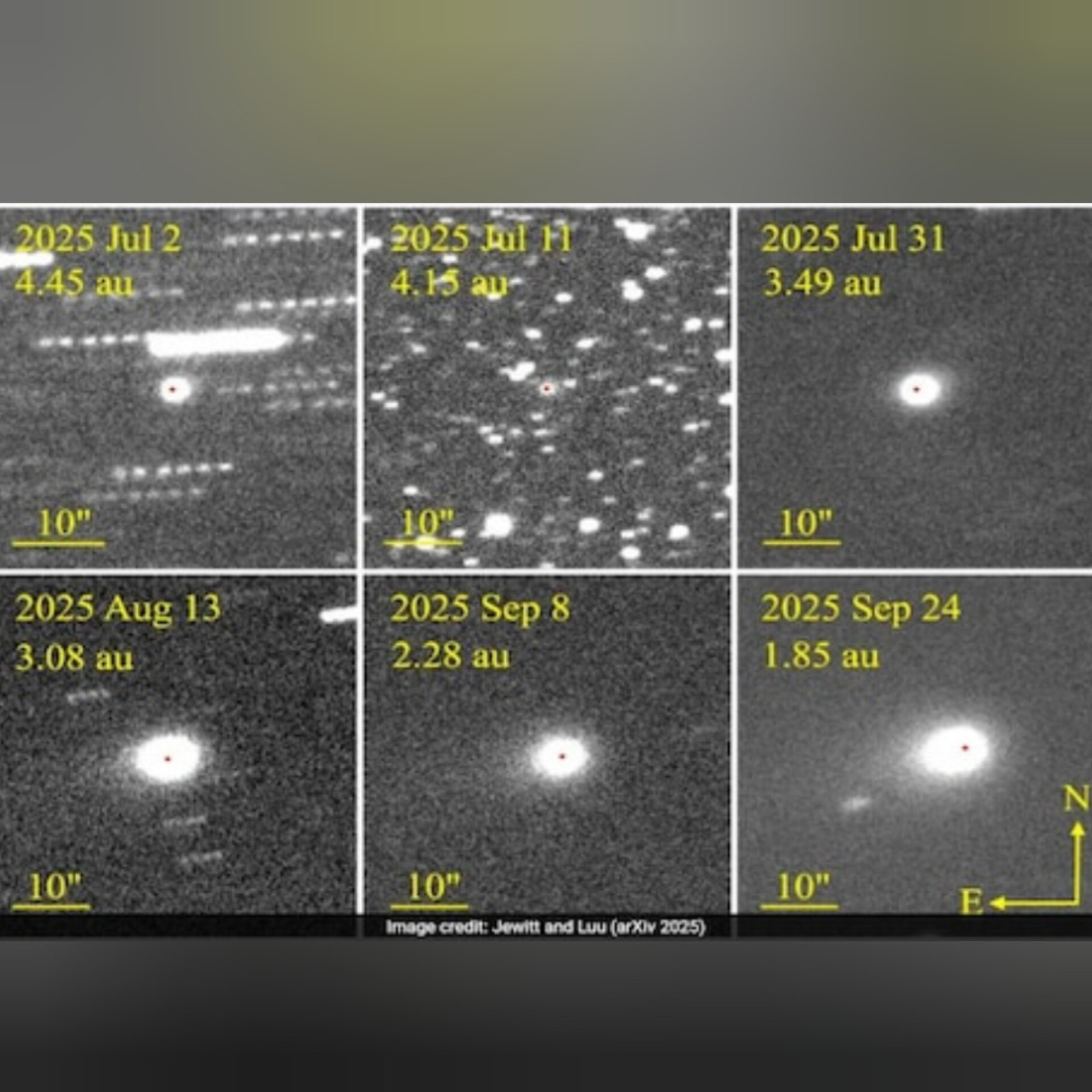
Harvard astrophysicist Avi Loeb has sparked new debate after fresh observations of comet 3I/ATLAS showed unusual changes in its tail. The Nordic Optical Telescope in Spain found that the comet’s anti-solar tail had reversed direction, now pointing away from the Sun. Loeb suggested the shift could be a sign of “controlled manoeuvring,” hinting it might be an alien spacecraft slowing down. Scientists say 3I/ATLAS, first detected in July 2025, likely came from outside our solar system. While Loeb’s theory drew attention, NASA and other experts believe it behaves like a natural comet, posing no danger to Earth. (PC: NDTV)
Brief by Shorts91 Newsdesk / 05:31pm on 23 Oct 2025,Thursday Science
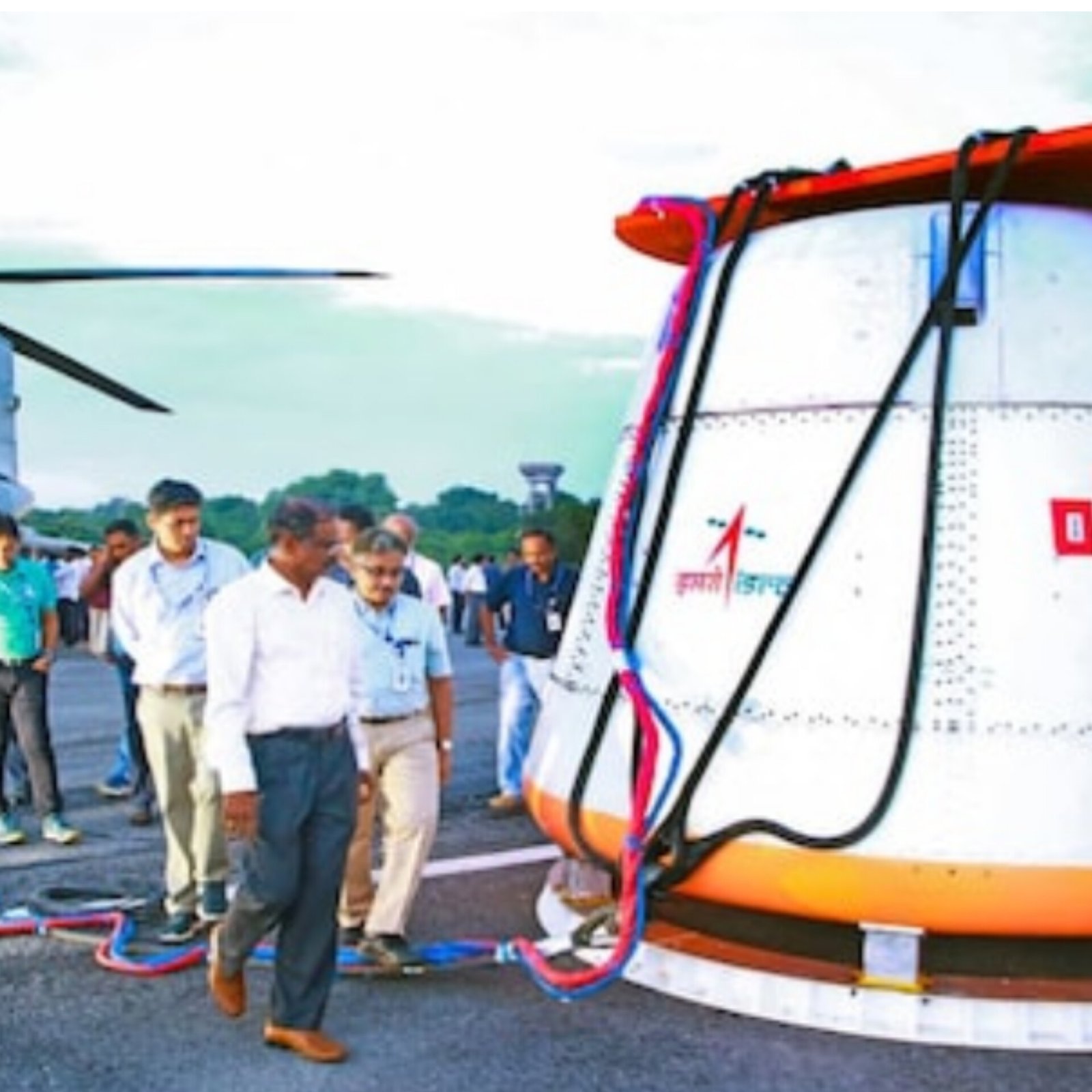
ISRO Chief V Narayanan said that India’s first human spaceflight mission, Gaganyaan, is 90% complete. Speaking at a science event, he shared that most key systems — including the crew escape, parachute, and environmental control systems — are ready. Before sending astronauts, ISRO will conduct three uncrewed test missions. The first test will carry Vyommitra, a female robot astronaut. The final human mission is planned for early 2027. In August, ISRO successfully tested the parachute system during an air drop trial, marking a major step toward India’s goal of sending humans to space safely. (PC: NDTV)
Brief by Shorts91 Newsdesk / 03:58pm on 20 Oct 2025,Monday Science
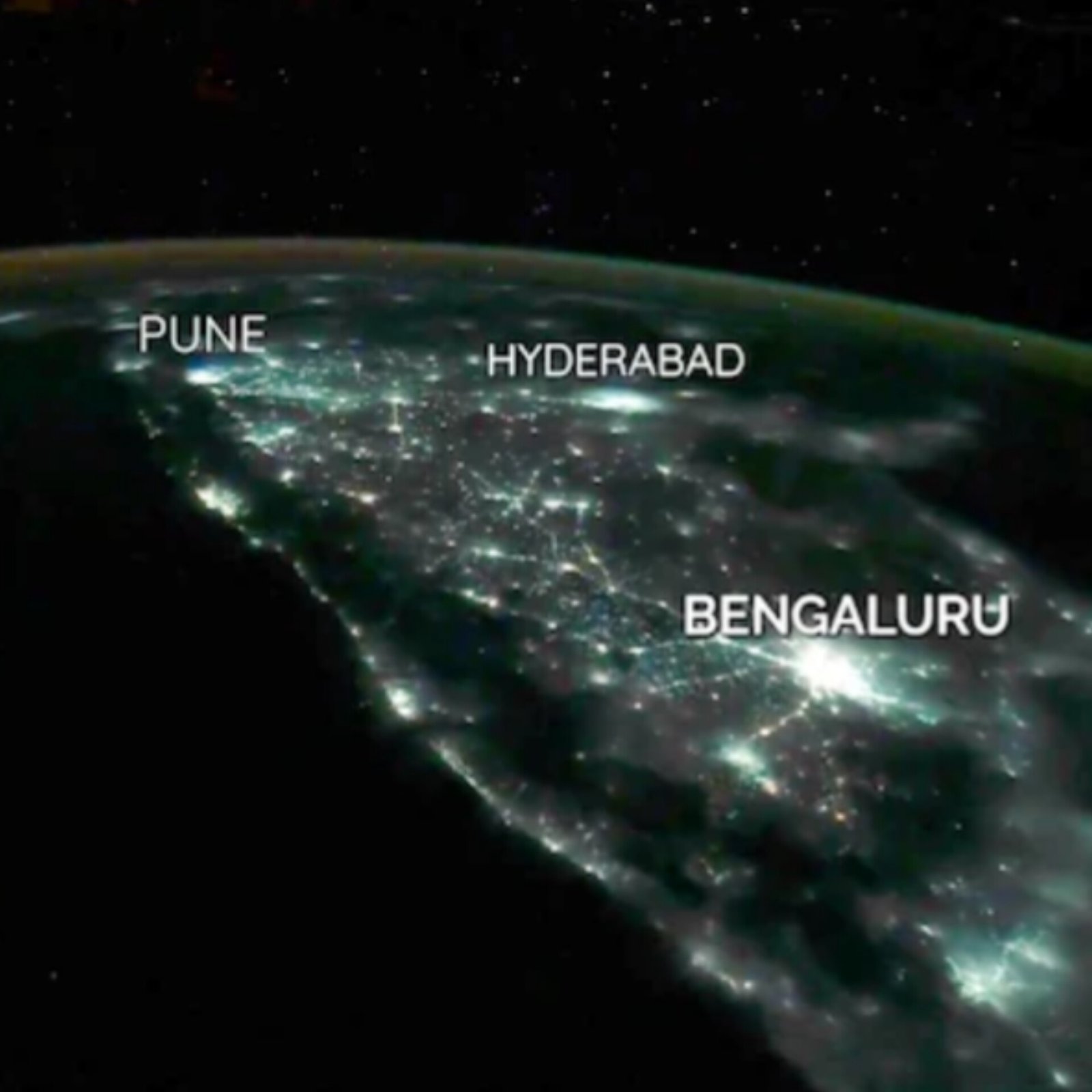
For Diwali, Indian astronaut Shubhanshu Shukla shared a mesmerizing video of India glowing at night from space. The clip, posted on X, moves from southwest to northeast, showing Pune, Bengaluru, Hyderabad, and New Delhi sparkling. Shukla described it as “like watching a living galaxy” and called it “Diwali of Earth.” The video also shows flashes of lightning across central India and the Bay of Bengal. As the spacecraft moves north, the dark Himalayas appear, followed by an orbital sunrise. Millions watched in awe, seeing India’s festival of lights from a unique space perspective. (PC: X)
Brief by Shorts91 Newsdesk / 07:55am on 19 Oct 2025,Sunday Science
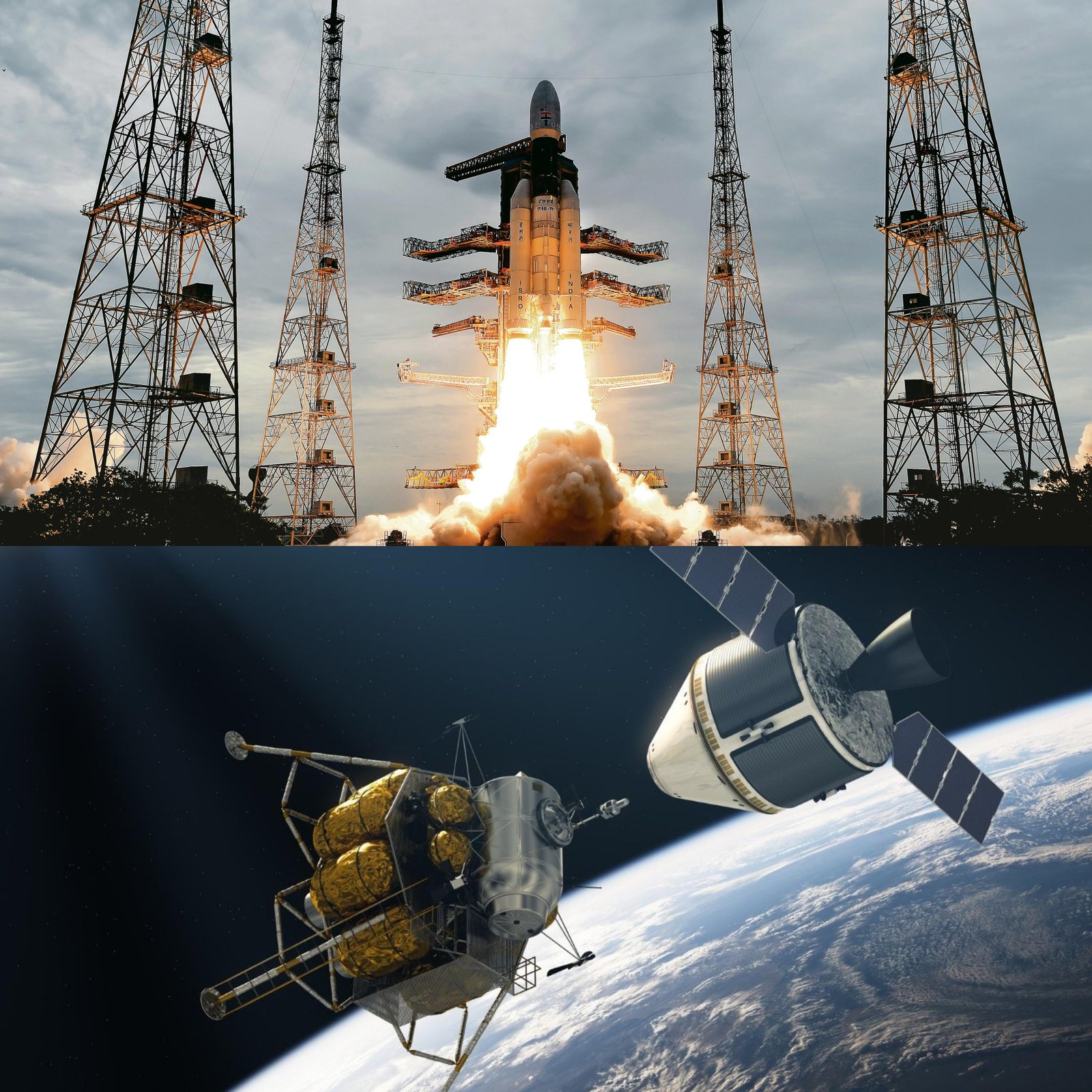
India's Chandrayaan-2 orbiter made a groundbreaking observation of a massive solar eruption's impact on the Moon's tenuous atmosphere. The CHACE-2 instrument detected a sharp rise in lunar exosphere pressure and density increasing by over an order of magnitude when a coronal mass ejection (CME) struck on May 10, 2024. This marks the first recorded direct impact of a CME on the Moon's atmospheric boundary. High-energy solar particles knocked off surface atoms and molecules, forming part of the exosphere. The findings, published in Geophysical Research Letters, confirm theoretical models and provide crucial insights for future lunar mission planning, as the Moon lacks magnetic field protection from solar activity.

