Brief by Shorts91 Newsdesk / 07:09am on 02 Apr 2026,Thursday Science
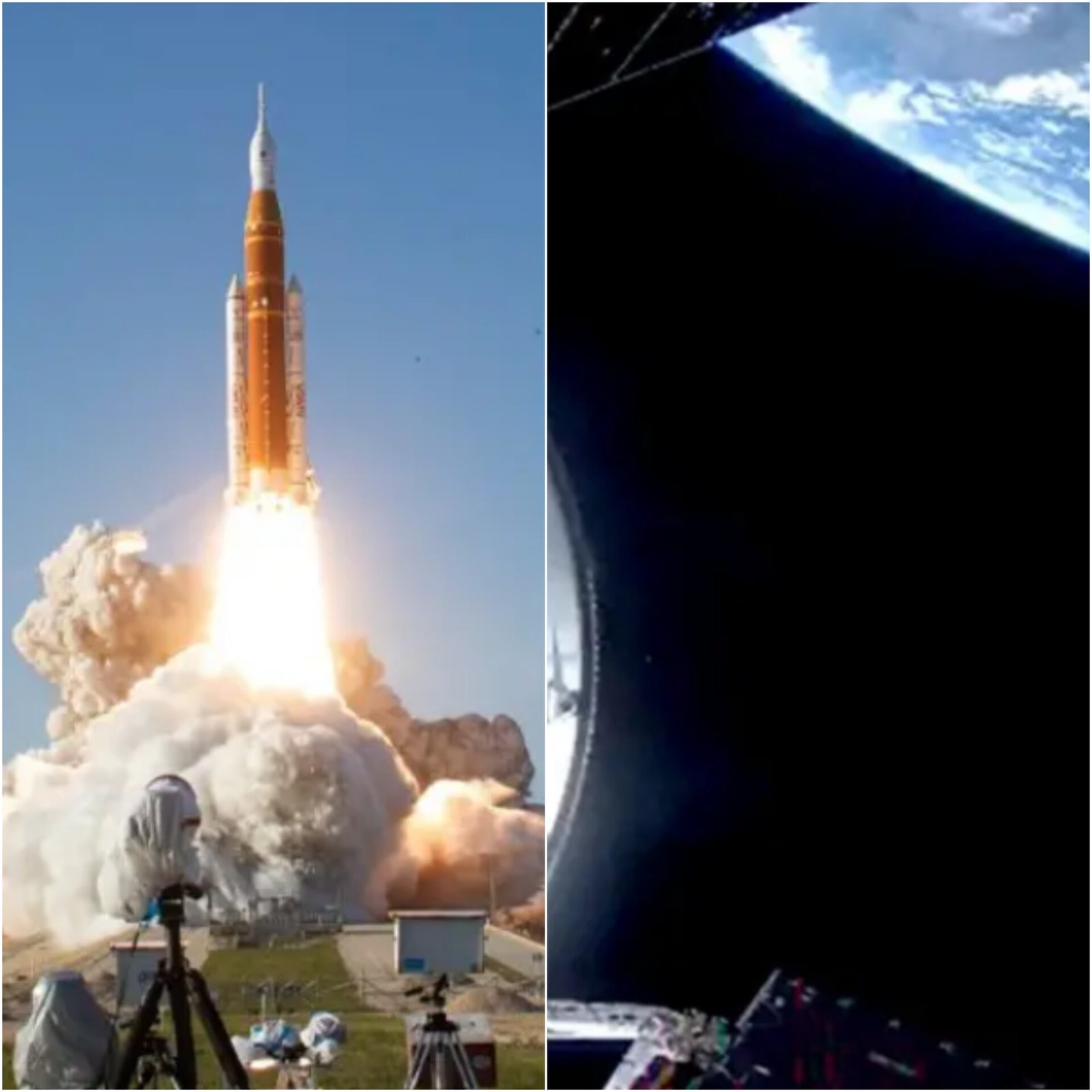
NASA launched its Artemis II mission, sending astronauts into orbit around Earth. It is the first crewed Moon mission in nearly 50 years. Astronaut Reid Wiseman said, “We go for all humanity,” during liftoff. The launch was powerful and smooth. The spacecraft will stay in Earth’s orbit for about 24 hours. The crew will carry out system checks during this time. Officials said the crew is “safe, secure and in great spirits”. If checks go well, the mission will move toward the Moon. The 10-day mission will circle the Moon but not land. (PC: BBC)
Brief by Shorts91 Newsdesk / 04:00am on 02 Apr 2026,Thursday Science
NASA successfully launched the Artemis II from Kennedy Space Center, sending four astronauts on the first crewed lunar flyby in over 50 years. The powerful Space Launch System rocket lifted off after a brief delay, overcoming technical concerns during final checks. Commander Reid Wiseman led the multinational crew, including astronauts from the US and Canada, on a roughly 10-day mission to orbit the Moon without landing. The launch marks a major milestone in human spaceflight, reviving lunar exploration ambitions and paving the way for future Moon landings and eventual missions to Mars under NASA’s Artemis programme.
Brief by Shorts91 Newsdesk / 03:13am on 02 Apr 2026,Thursday Science
NASA successfully launched Artemis II on April 2, sending four astronauts aboard the Space Launch System from Kennedy Space Center. The mission marks the first crewed lunar flyby in over 50 years, carrying three Americans and one Canadian. The roughly 10-day journey will orbit the Moon without landing, testing spacecraft systems and manual piloting. The crew includes the first woman, first person of color, and first non-American on such a mission. Despite delays, the launch proceeded under near-ideal conditions, witnessed by thousands. Artemis II aims to validate systems ahead of a planned Moon landing mission later this decade.
Brief by Shorts91 Newsdesk / 06:33pm on 01 Apr 2026,Wednesday Science
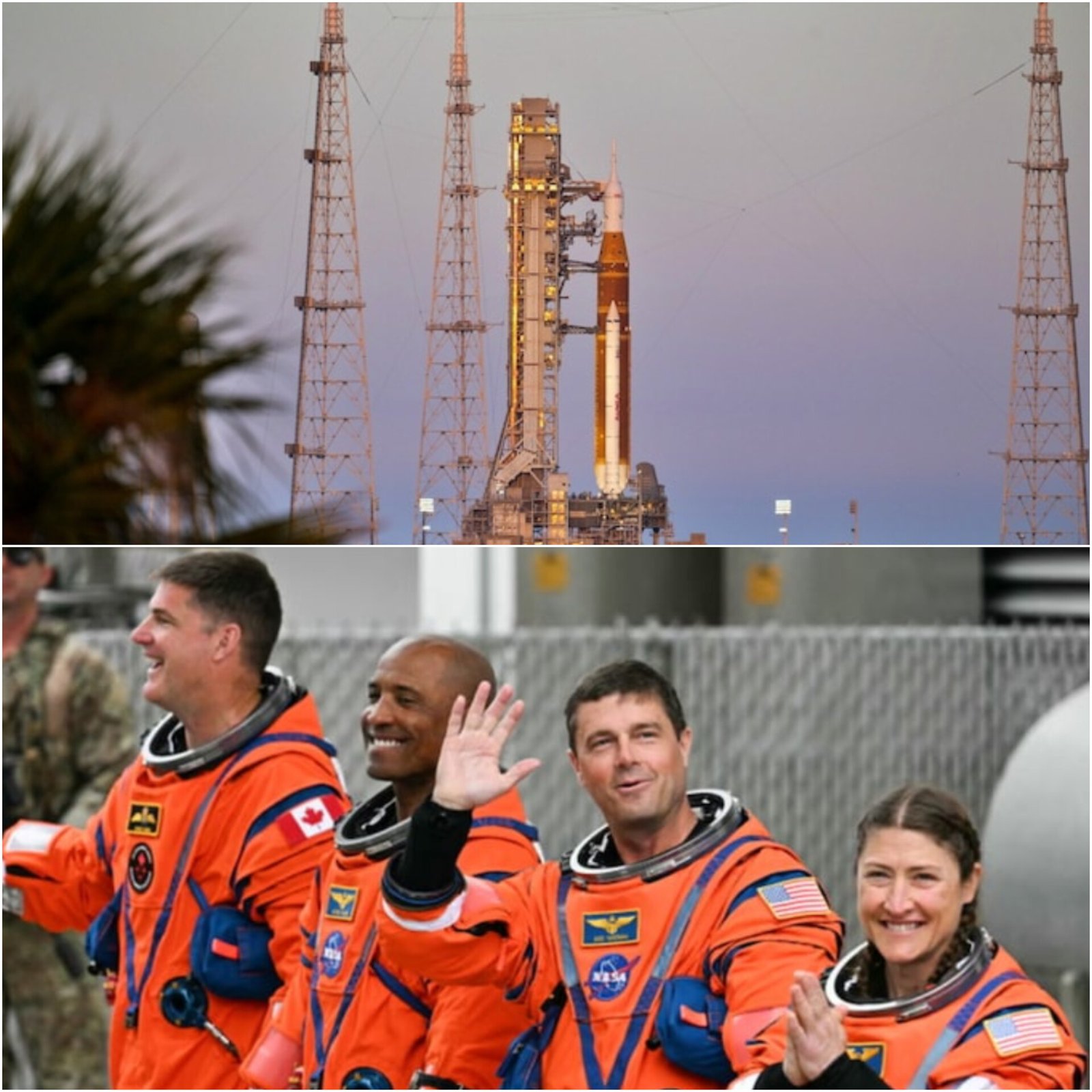
NASA is set to launch Artemis-II with four astronauts on board. It will be the first crewed Moon mission in over 50 years. The spacecraft will take the astronauts on a 10-day journey around the Moon. Officials said final checks are complete and weather is 80% favourable. The crew includes Victor Glover, Reid Wiseman, Christina Koch, and Jeremy Hansen. The mission will not land on the Moon but test key systems. NASA called it a “historic liftoff”. The mission will help prepare for future human missions to Mars and deep space exploration.

Brief by Shorts91 Newsdesk / 07:27am on 03 Mar 2026,Tuesday Science
A total lunar eclipse will take place on March 3. The Moon will turn deep red during totality. This event is called a “Blood Moon.” It happens when Earth moves between the Sun and the Moon, blocking direct sunlight. Only red light reaches the Moon. The eclipse will be visible in parts of Asia, Australia and the Americas. In India, the final phase will be seen around sunset. The total phase will last about 58 minutes. Lunar eclipses are safe to watch with naked eyes. Binoculars or a small telescope can give a better view. (PC: Unsplash)

Brief by Shorts91 Newsdesk / 06:19pm on 19 Feb 2026,Thursday Science
Donald Trump said the world will know within about 10 days if the US reaches a deal with Iran or moves toward military action. Speaking at the first meeting of his Board of Peace in Washington, Trump said, “we have some work to do” on Iran’s nuclear programme. He added, “we may have to take it a step further.” He said envoys Steve Witkoff and Jared Kushner held “very good meetings.” US forces have increased their presence in the region, including the carrier USS Abraham Lincoln. Lawmakers like Ro Khanna and Thomas Massie oppose action without Congress approval.

Brief by Shorts91 Newsdesk / 12:24pm on 13 Feb 2026,Friday Science
Calcutta-born astrophysicist Kishalay De, a St James' School alumnus now at Columbia University, has solved a cosmic mystery by confirming a massive star's silent collapse into a black hole without a supernova explosion. The star, M31-2014-DS1 in the Andromeda galaxy, vanished after fading for nearly a decade, bypassing the explosive death typically expected from massive stars. De's team analyzed archival telescope observations spanning four decades, finding the star briefly brightened in infrared light around 2014 before rapidly disappearing. This confirms a decades-old prediction that some stars can skip the supernova stage. The research, published in Science journal, suggests such quiet collapses may represent an alternative stellar evolution pathway previously overlooked by astronomers. (PC: astro.columbia.edu)

Brief by Shorts91 Newsdesk / 09:42am on 10 Feb 2026,Tuesday Science
ISRO Chairman V Narayanan said India’s space programme is built on international cooperation rather than rivalry, aiming to use space technology for societal benefit since the 1960s. He noted the early Indo‑US support for India’s first rocket and highlighted collaboration such as the NISAR mission and Chandrayaan projects with global partners. The programme, he said, now serves both national and global needs, with strong private sector participation following 2020 reforms. Narayanan outlined future goals including an Indian space station by 2035 and a crewed lunar mission by 2040, stressing deeper global partnerships will be key to achieving them. (PC: The Hindu)

Brief by Shorts91 Newsdesk / 03:17pm on 09 Feb 2026,Monday Science
SpaceX has postponed its planned Mars mission, with CEO Elon Musk saying human travel to Mars is viable only when technology, infrastructure and planetary alignment—occurring every 26 months—are favourable. The delay reflects logistical and technical constraints, prompting SpaceX to shift focus toward building a “self-growing city” on the Moon, which can be reached more frequently and quickly, with launches possible every 10 days. Musk affirmed that Mars remains a long-term goal, but lunar development offers faster progress toward sustainable off-Earth habitation. The revised strategy underscores a more measured timeline for interplanetary ambitions. (PC: The Times of India)
Brief by Shorts91 Newsdesk / 03:25am on 08 Feb 2026,Sunday Science
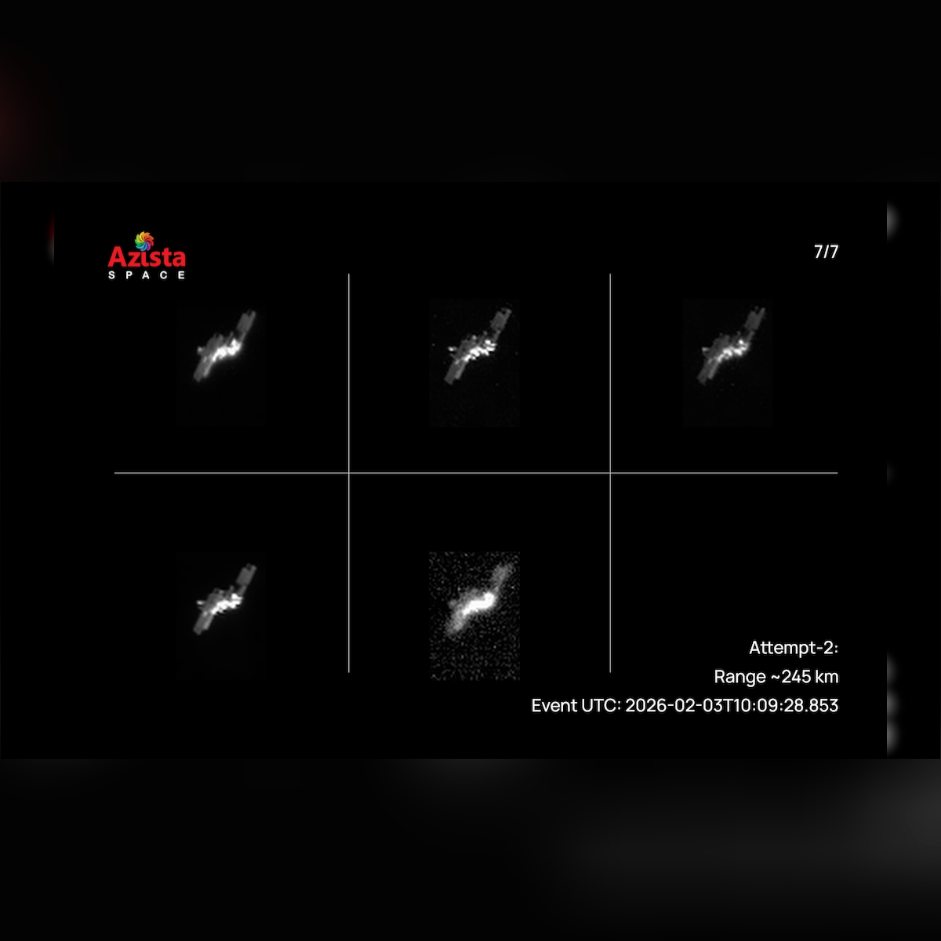
India’s private space sector has made a strategic leap in space surveillance with Ahmedabad-based Azista Industries successfully imaging the International Space Station (ISS) from orbit using its 80-kg AFR Earth-observation satellite — a first for an Indian private firm. The satellite captured 15 clear frames at roughly 245–300 km distances, validating India’s indigenous tracking algorithms and electro-optical systems. This achievement enhances space situational awareness and marks a step toward observing other orbiting objects, potentially aiding defence monitoring. With over 50 Indian satellites now in orbit across varied applications, protecting and tracking assets is crucial amid rising global space competition.

