Brief by Shorts91 Newsdesk / 01:08pm on 06 Apr 2026,Monday Science
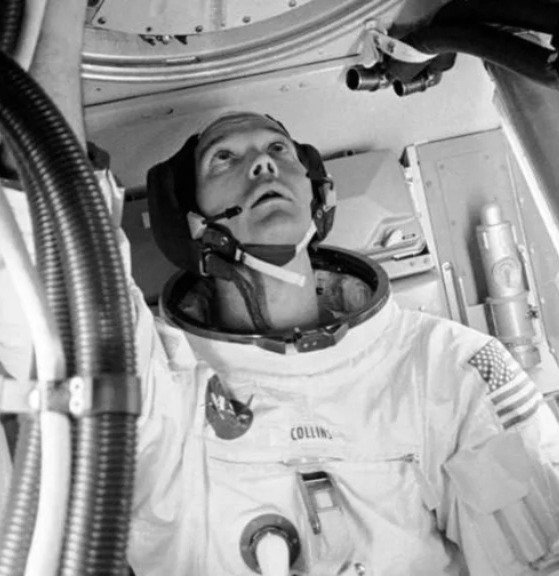
During the Artemis II journey, astronauts will face a 40-minute communication blackout as their Orion spacecraft passes behind the Moon, blocking signals with Earth. This moment of isolation echoes past missions like Apollo 11, when Michael Collins experienced similar solitude. While mission control awaits anxiously, teams track the spacecraft’s position. Astronauts will use the time for lunar observation and reflection. Experts highlight the need for continuous communication systems, with initiatives like Moonlight programme aiming to prevent future blackouts as lunar exploration expands toward sustained human presence. (PC: NASA)
Brief by Shorts91 Newsdesk / 12:32pm on 06 Apr 2026,Monday Science
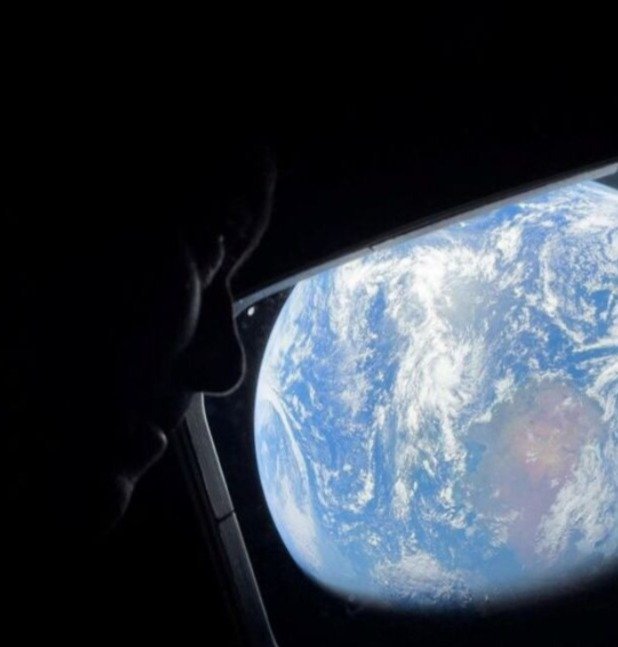
The Artemis II astronauts entered the Moon’s gravitational sphere early Monday, advancing toward a record-breaking distance from Earth. Flying aboard the Orion spacecraft, the crew is set to reach about 252,757 miles from Earth, surpassing the Apollo 13 record by 4,102 miles. Astronauts Reid Wiseman, Victor Glover, Christina Koch, and Jeremy Hansen will fly around the Moon’s far side, experiencing communication blackouts. The mission, a key step in Artemis program, aims to return humans to the lunar surface by 2028 and build a sustained presence for future Mars exploration. (PC: Reuters)
Brief by Shorts91 Newsdesk / 03:42am on 06 Apr 2026,Monday Science
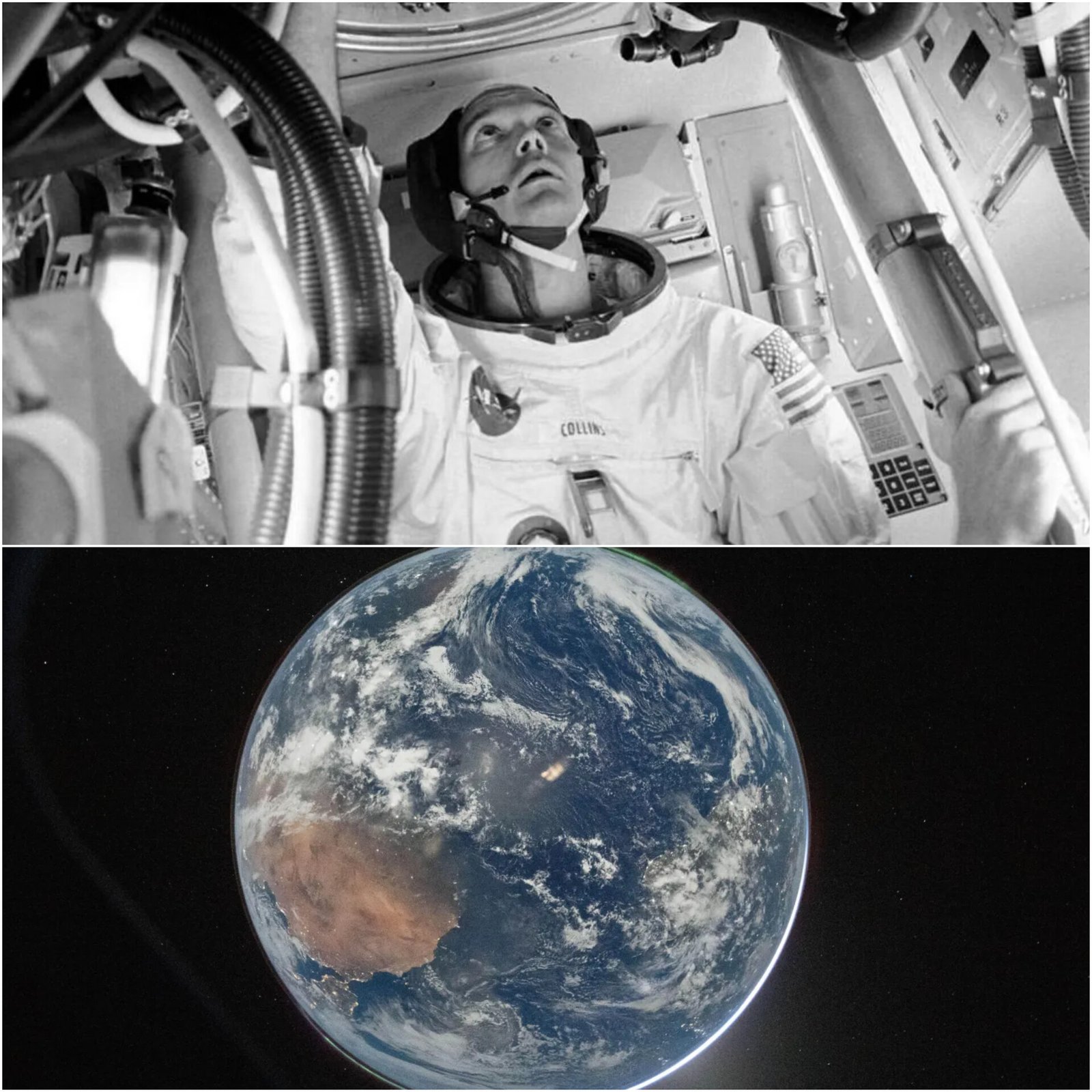
Astronauts on Artemis II will lose contact with Earth for about 40 minutes as their spacecraft passes behind the Moon. The Moon blocks radio and laser signals, cutting links with mission control. NASA teams will not be able to communicate during this period. Pilot Victor Glover said, “Let’s pray, hope, send your good thoughts.” The moment is similar to past missions like Apollo 11. Astronaut Michael Collins once said he felt “truly alone” during such blackout. Teams on Earth will wait for signals to return. (PC: BBC)
Brief by Shorts91 Newsdesk / 09:28am on 05 Apr 2026,Sunday Science
Astronauts aboard Artemis II have seen the far side of the Moon for the first time and called the view “absolutely spectacular”. The crew includes Reid Wiseman, Victor Glover, Christina Koch, and Jeremy Hansen. They are travelling aboard the Orion spacecraft. Koch said, “Something about you senses that is not the Moon that I’m used to seeing.” The team shared images of the Orientale basin. NASA said it is the first time the full area has been seen by humans. The spacecraft is now over 2,89,000 km from Earth.
Brief by Shorts91 Newsdesk / 08:20am on 05 Apr 2026,Sunday Science
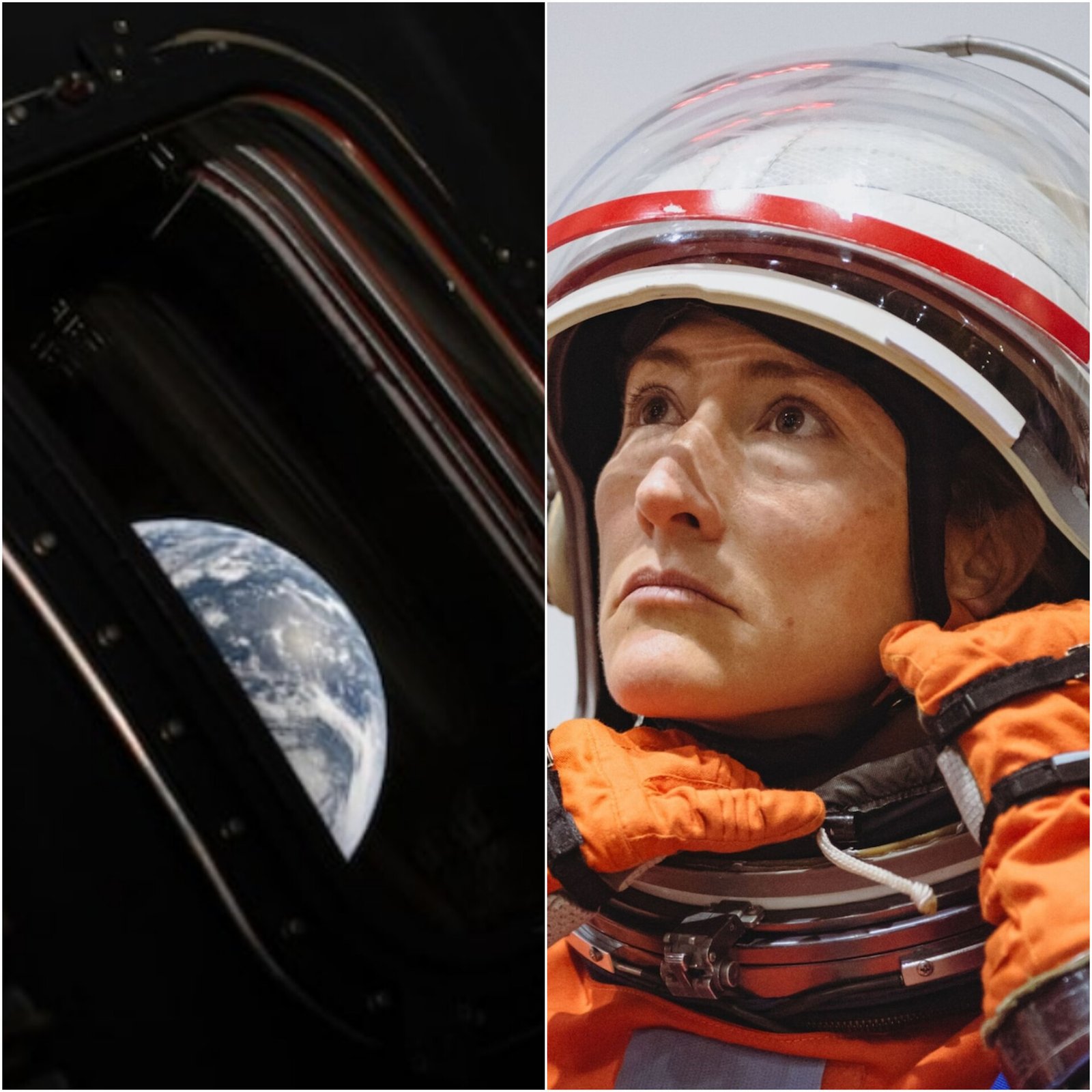
Christina Koch has become the farthest-travelled woman from Earth during the Artemis 2 mission. She crossed the record after the Orion spacecraft performed a key engine burn to leave Earth orbit. The crew was about 1,60,000 km away from Earth on Friday. The spacecraft is now in the trans-lunar phase and heading for a flyby on April 6. NASA said the crew may reach over 4,00,000 km, breaking the Apollo 13 record. Koch also repaired a toilet system onboard. The mission is testing systems for future Moon landings under NASA’s Artemis programme. (PC: India Today)
Brief by Shorts91 Newsdesk / 01:49pm on 04 Apr 2026,Saturday Science
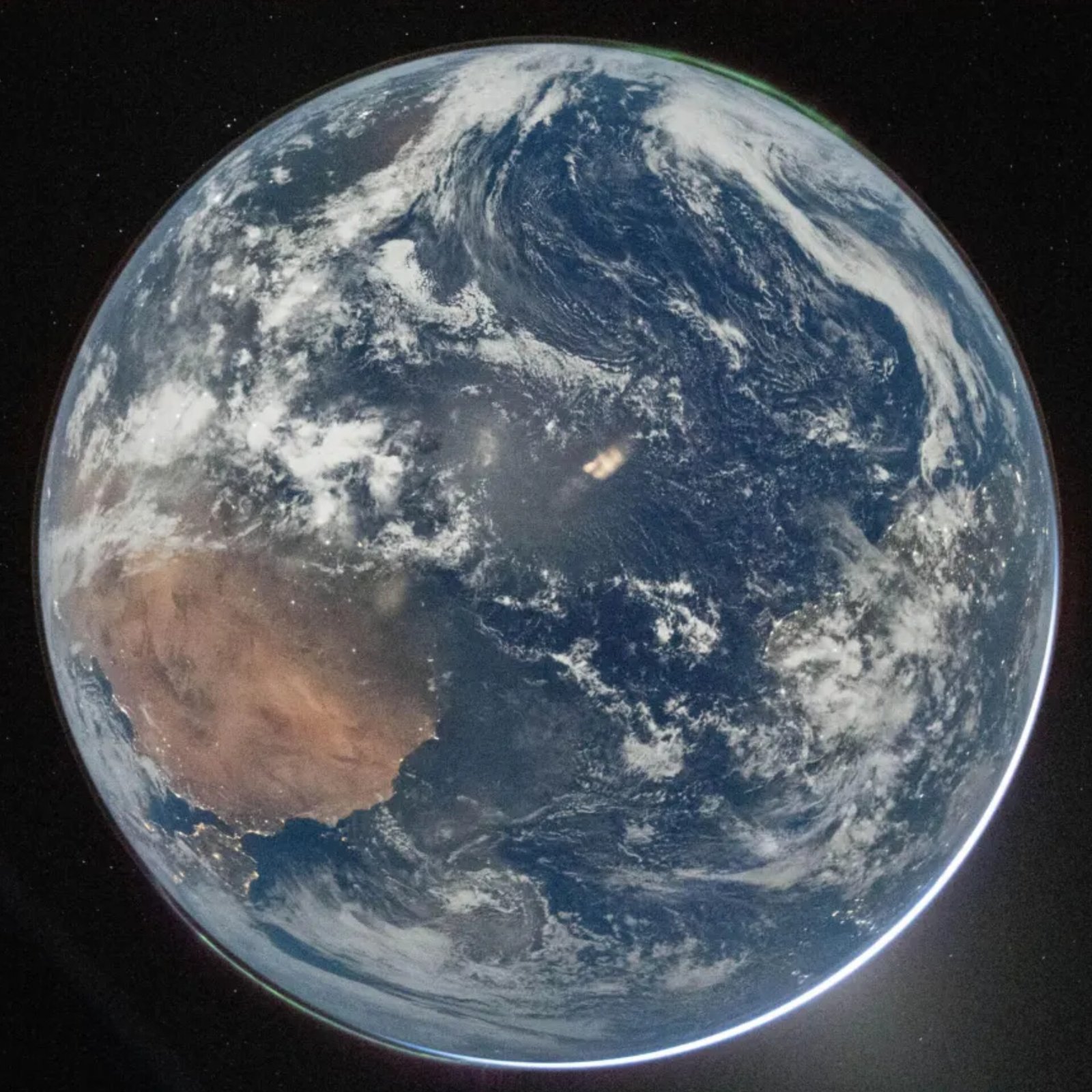
NASA’s Artemis II crew has shared new images of Earth from space. The spacecraft is now halfway between Earth and the Moon. Commander Reid Wiseman took the photos after a key engine burn. He called the view “spectacular.” The images show Earth’s oceans, clouds, and glowing auroras. One picture also shows the line between day and night. The crew said they felt joy after reaching this point. The mission is the first human journey beyond Earth orbit since 1972. The spacecraft will travel around the Moon and return on April 10. NASA said Earth still looks beautiful from space after many years. (PC: Nasa/Reid Wiseman)

Brief by Shorts91 Newsdesk / 11:31am on 03 Apr 2026,Friday Science
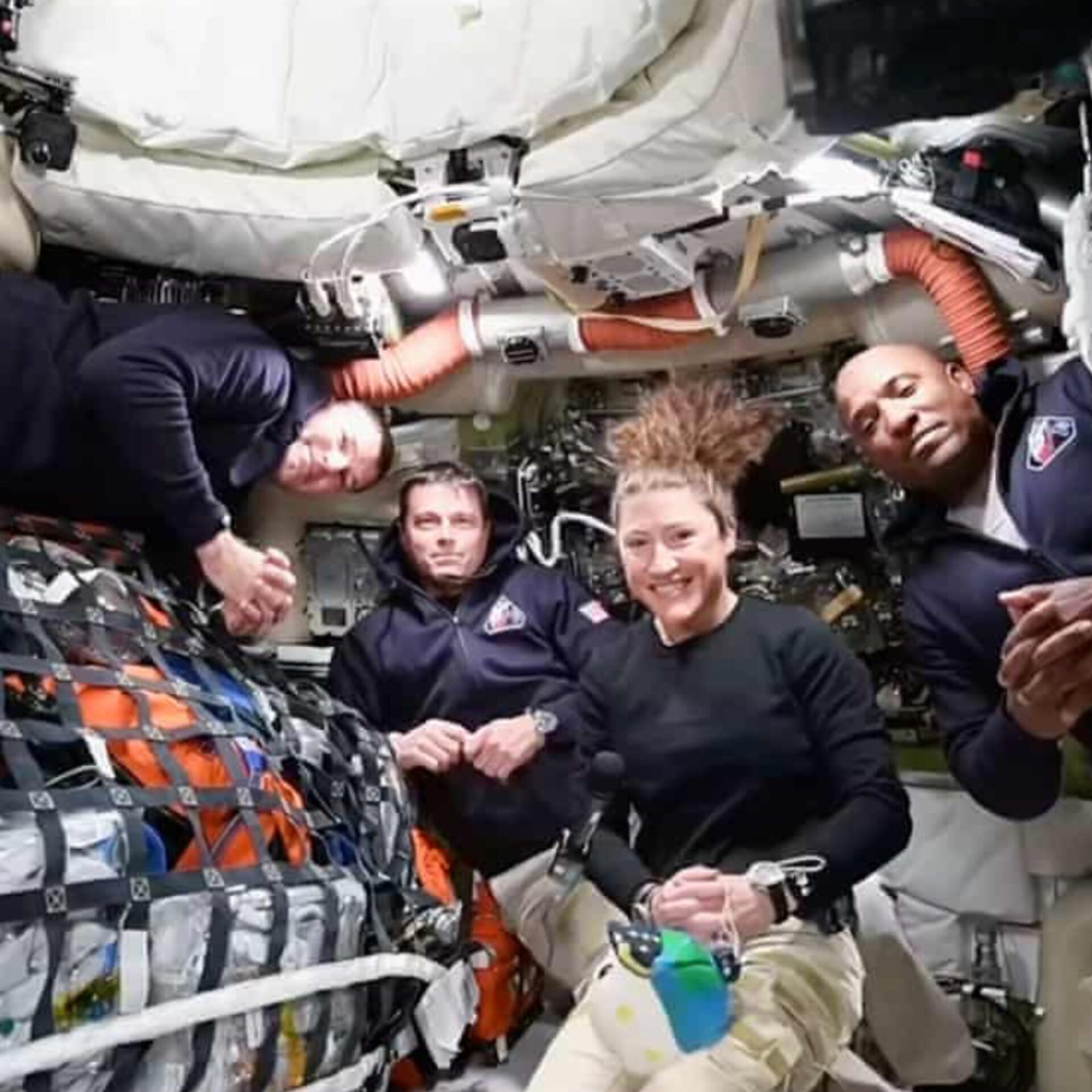
NASA has included hot sauces and strong condiments in the Artemis II space mission menu to counter reduced taste and smell experienced in microgravity. Astronauts often find food bland in space due to fluid shifts affecting sensory perception. To address this, the mission carries 189 food and drink items, including five types of hot sauce, beverages, and diverse meals. All food is shelf-stable, rehydratable, and designed for zero-gravity consumption. Scientists say enhancing flavor is crucial not just for nutrition but also for astronaut morale during long missions, highlighting evolving space food technology for future lunar and Mars exploration. (PC: India Today)
Brief by Shorts91 Newsdesk / 08:01am on 03 Apr 2026,Friday Science
NASA’s Artemis II mission has successfully fired its engines to leave Earth orbit, sending the Orion spacecraft and four astronauts — Reid Wiseman, Victor Glover, Christina Koch, and Jeremy Hansen — on a historic lunar flyby, the first since 1972. The roughly 10-day mission follows a “free-return” trajectory around the Moon, allowing the crew to test life-support systems, navigation, and deep-space operations, crucial for future Artemis lunar landings and eventual Mars missions. The flawless launch and orbital maneuvers mark a major milestone in NASA’s Artemis program and human space exploration. (PC: AP)
Brief by Shorts91 Newsdesk / 06:17pm on 02 Apr 2026,Thursday Science
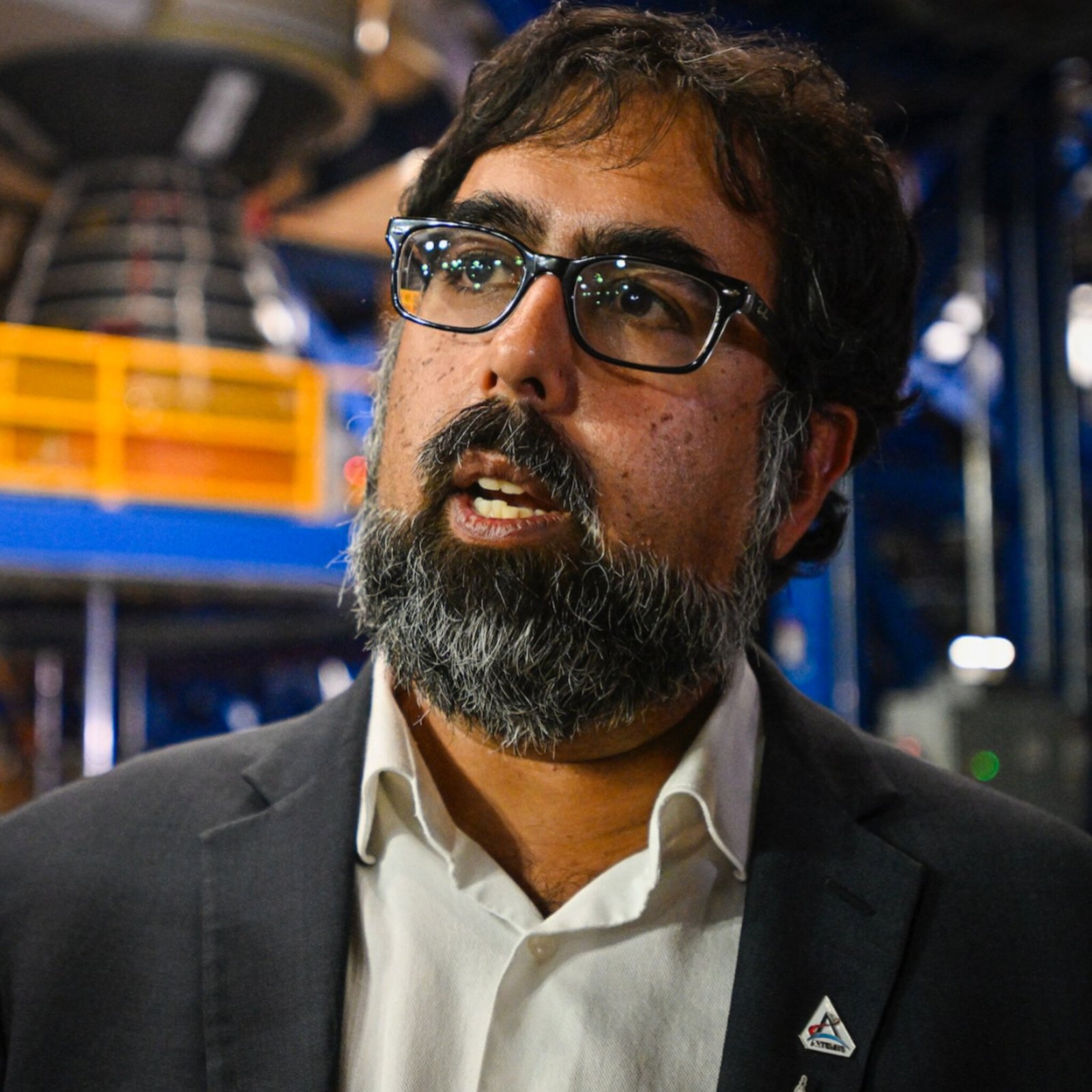
Amit Kshatriya, one of NASA’s highest-ranking civil servants, is playing a key role in shaping humanity’s return to deep space. Inspired by the Space Shuttle Challenger disaster he witnessed as a child, he turned tragedy into motivation. Beginning his career in 2003, he contributed to the space shuttle and International Space Station programs, later becoming a NASA flight director. Now serving as Associate Administrator and COO, he oversees major missions, including the Artemis program, driving efforts toward sustainable lunar exploration and future Mars missions. (PC: X)
Brief by Shorts91 Newsdesk / 02:23pm on 02 Apr 2026,Thursday Science
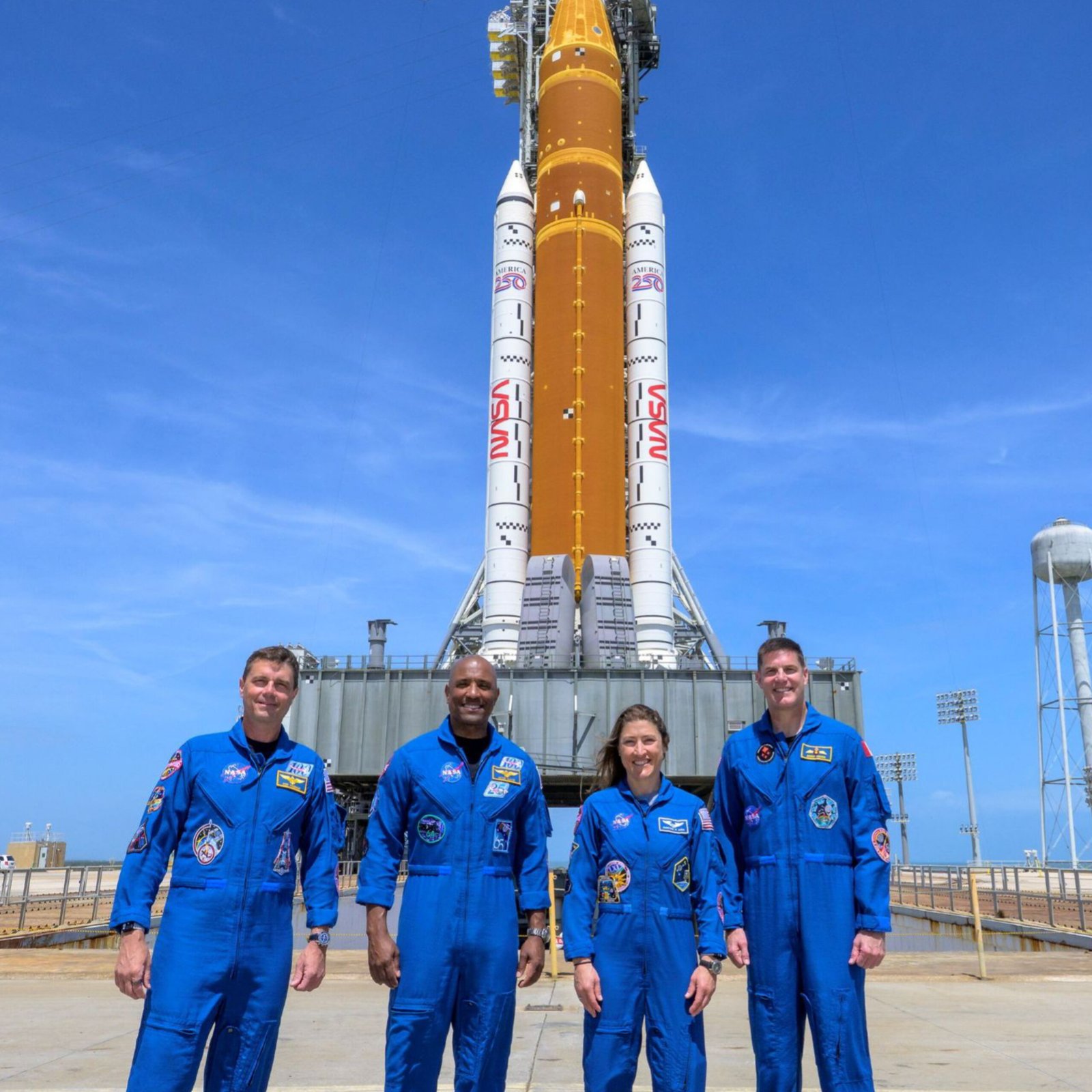
NASA’s Artemis II mission will take about four days to reach the Moon after launch, as astronauts travel on a lunar flyby trajectory rather than landing. The total mission lasts around 10 days, including system checks in Earth orbit, a journey around the Moon, and a return to Earth. After looping behind the Moon, the spacecraft uses gravity to slingshot back toward Earth. The mission tests life-support, navigation, and communication systems, paving the way for future lunar landings under the Artemis programme later this decade. (PC: X)

