Brief by Shorts91 Newsdesk / 03:10pm on 10 Apr 2026,Friday International
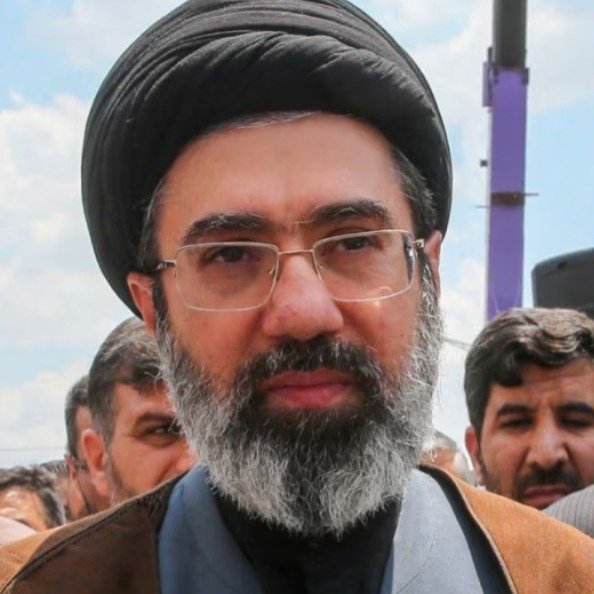
Iran demonstrated potent economic warfare during its conflict with the United States through three strategic moves despite not being a superpower. By leveraging control over the Strait of Hormuz, Tehran disrupted nearly 20% of global oil flows, driving prices above $100 and pressuring negotiations. It also targeted Gulf infrastructure using drones and missiles, raising economic costs for adversaries. Additionally, Iran advanced a “resistance economy,” bypassing sanctions via cryptocurrency mining and alternative trade systems with partners like Russia and China. The crisis triggered inflation and global slowdown warnings from the International Monetary Fund, highlighting shifting economic power dynamics. (PC: News18)
Brief by Shorts91 Newsdesk / 02:56pm on 10 Apr 2026,Friday International
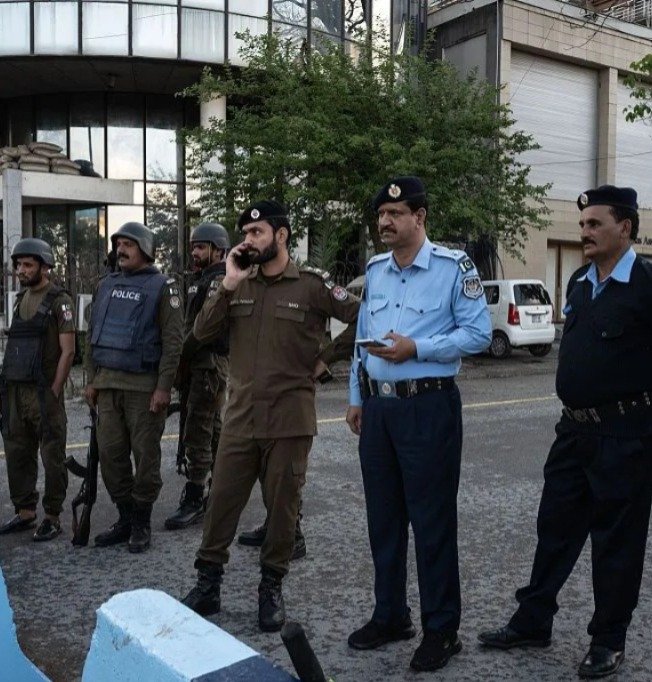
Pakistan is positioning itself as a key mediator hosting high-stakes United States–Iran peace talks in Islamabad after helping broker a fragile ceasefire. Backed by military chief Asim Munir and Prime Minister Shehbaz Sharif, Islamabad leveraged ties with Washington, Tehran, and Gulf states. Diplomatic outreach, strategic concessions, and a balanced stance boosted credibility. However, risks remain high, including potential regional spillover involving Saudi Arabia, India, and Afghanistan. With tensions over Lebanon and the Strait of Hormuz, the success of talks remains uncertain despite global stakes. (PC: BBC)
Brief by Shorts91 Newsdesk / 02:19pm on 10 Apr 2026,Friday International
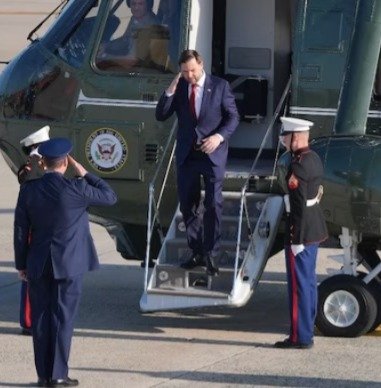
JD Vance departed for Islamabad to lead high-stakes peace talks with Iran, signalling cautious optimism while warning against bad-faith negotiation tactics. Backed by Donald Trump’s directives, Vance emphasised openness to constructive dialogue but asserted firmness if Tehran attempts to “play” the United States. The rare diplomatic engagement could shape a fragile ceasefire and broader regional stability. However, tensions persist over disagreements involving Lebanon and the reopening of the Strait of Hormuz. With limited clarity on the format of talks, expectations remain high amid deep geopolitical uncertainty. (PC: AP)
Brief by Shorts91 Newsdesk / 01:08pm on 10 Apr 2026,Friday International
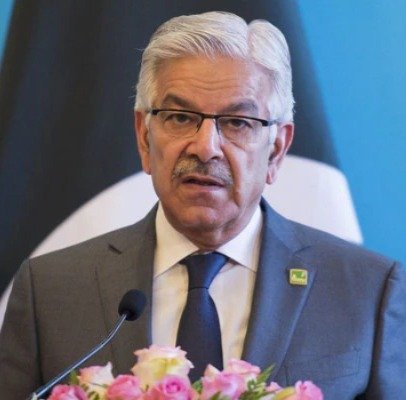
Israel's Foreign Minister Gideon Sa'ar sharply criticised Pakistan following remarks by Defence Minister Khawaja Asif, calling them “antisemitic blood libels” and warning against rhetoric implying Israel’s destruction. Israel emphasised it would defend itself, while Benjamin Netanyahu’s office termed the comments unacceptable. The rare public exchange highlights escalating diplomatic tensions between nations without formal ties. The development coincides with sensitive United States–Iran negotiations and ongoing conflict involving Lebanon. Analysts view Israel’s direct response as a policy shift, reinforcing its distrust of Islamabad as a mediator and potentially impacting broader regional diplomacy. (PC: NDTV)
Brief by Shorts91 Newsdesk / 10:18am on 10 Apr 2026,Friday International
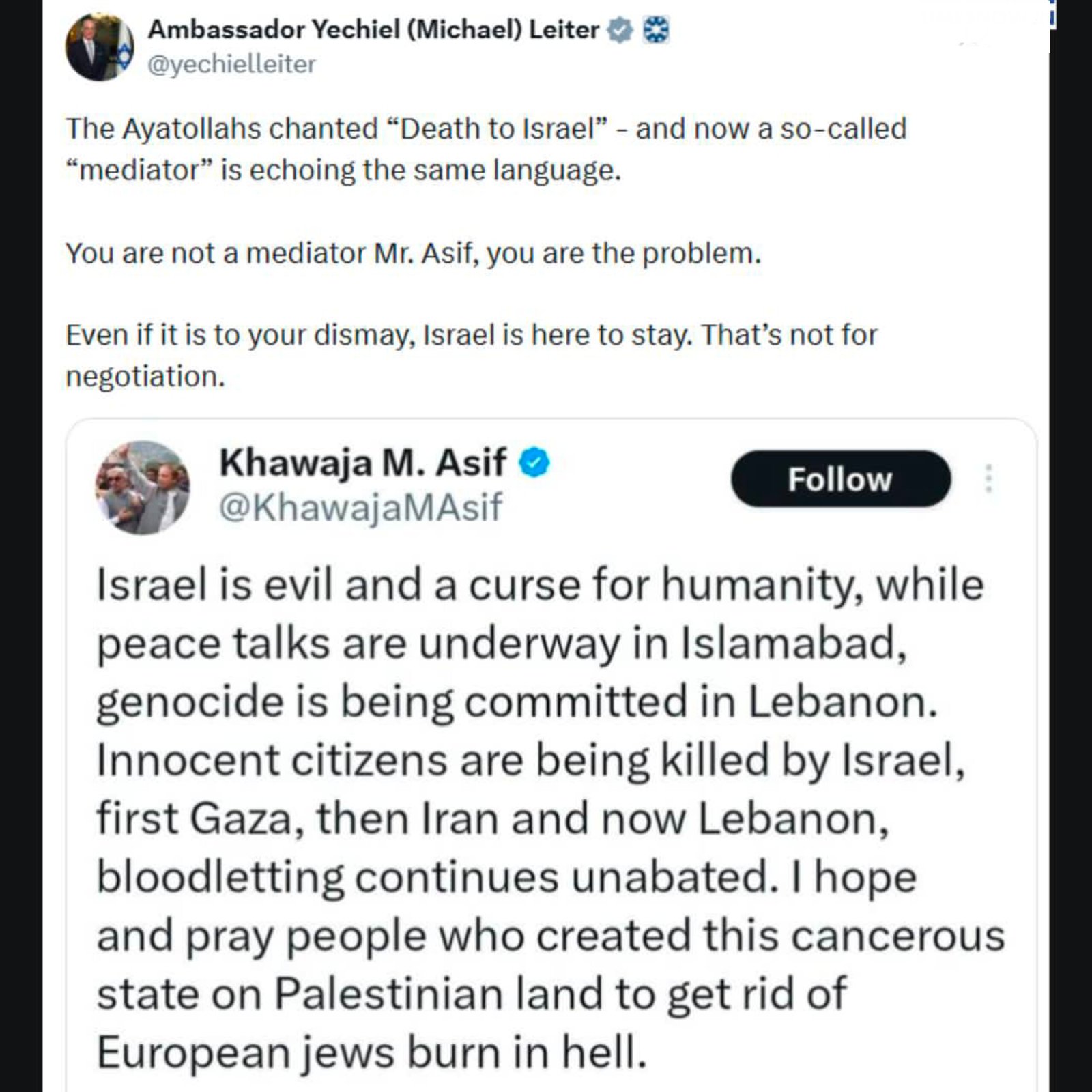
Israel’s Ambassador to the US, Yechiel Leiter, sharply rebuked Pakistan’s Defence Minister Khawaja Asif for calling Israel “evil” and a “curse for humanity.” Leiter said such rhetoric mirrors hostile slogans against Israel and undermines Pakistan’s credibility as a neutral mediator in ongoing US-Iran peace talks. He stated, “You are not a mediator… you are the problem,” asserting Israel’s existence is “not for negotiation.” Israeli officials, including Prime Minister Benjamin Netanyahu’s office, termed Asif’s remarks “outrageous,” escalating diplomatic tensions ahead of talks hosted by Pakistan. (PC: X)
Brief by Shorts91 Newsdesk / 10:10am on 10 Apr 2026,Friday International
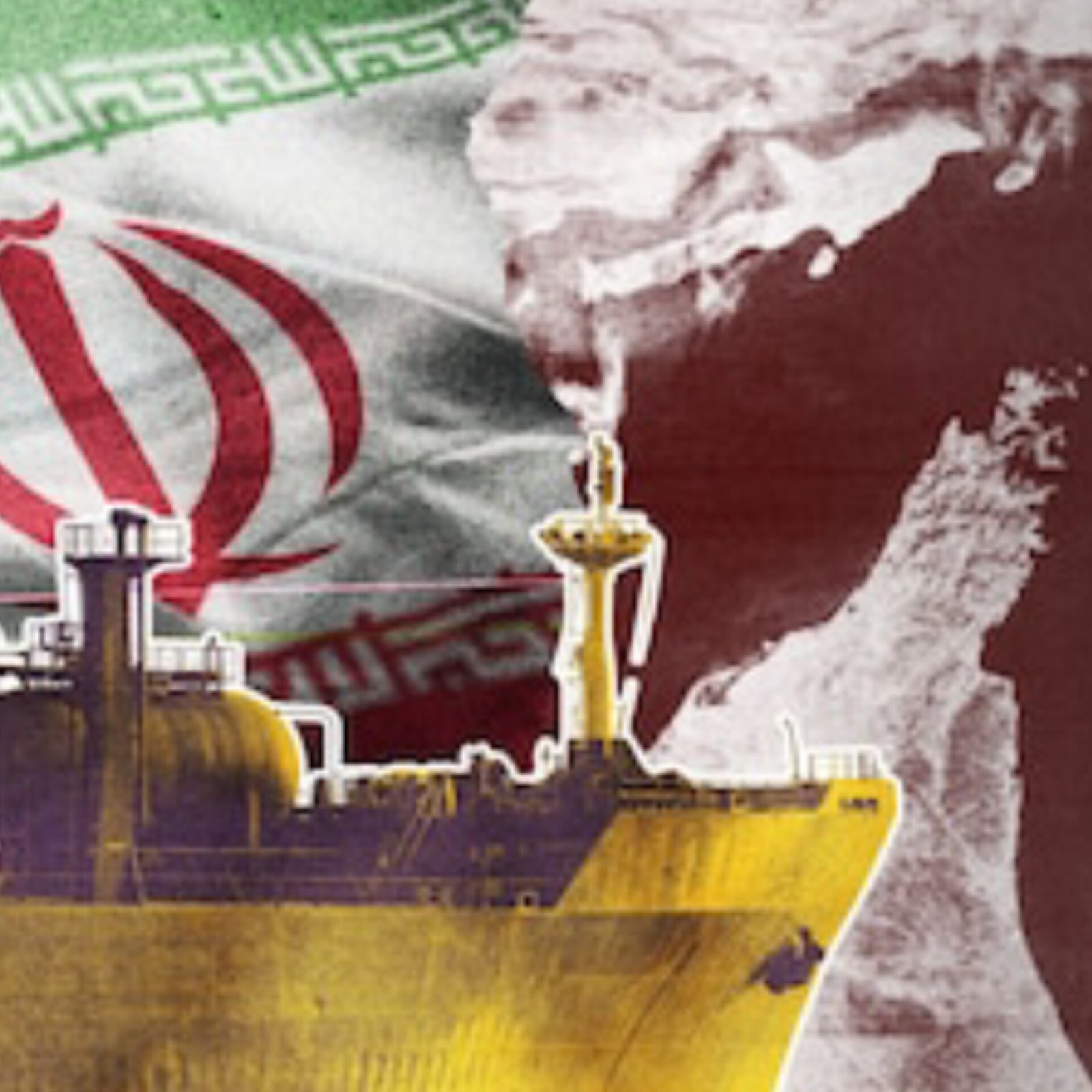
A fragile ceasefire between the US and Iran has led to partial reopening of the strategically vital Strait of Hormuz, but under strict conditions. Iran will permit only up to 15 ships per day, with each vessel requiring approval from the Islamic Revolutionary Guard Corps (IRGC). The move signals continued control over global oil flows, as the strait carries about one-fifth of the world’s seaborne crude. Tehran has also demanded the unfreezing of its overseas assets and restrictions on US military presence. Despite the truce, shipping remains heavily constrained, indicating ongoing geopolitical tensions and uncertainty in global energy markets. (PC: NDTV)
Brief by Shorts91 Newsdesk / 09:03am on 10 Apr 2026,Friday International
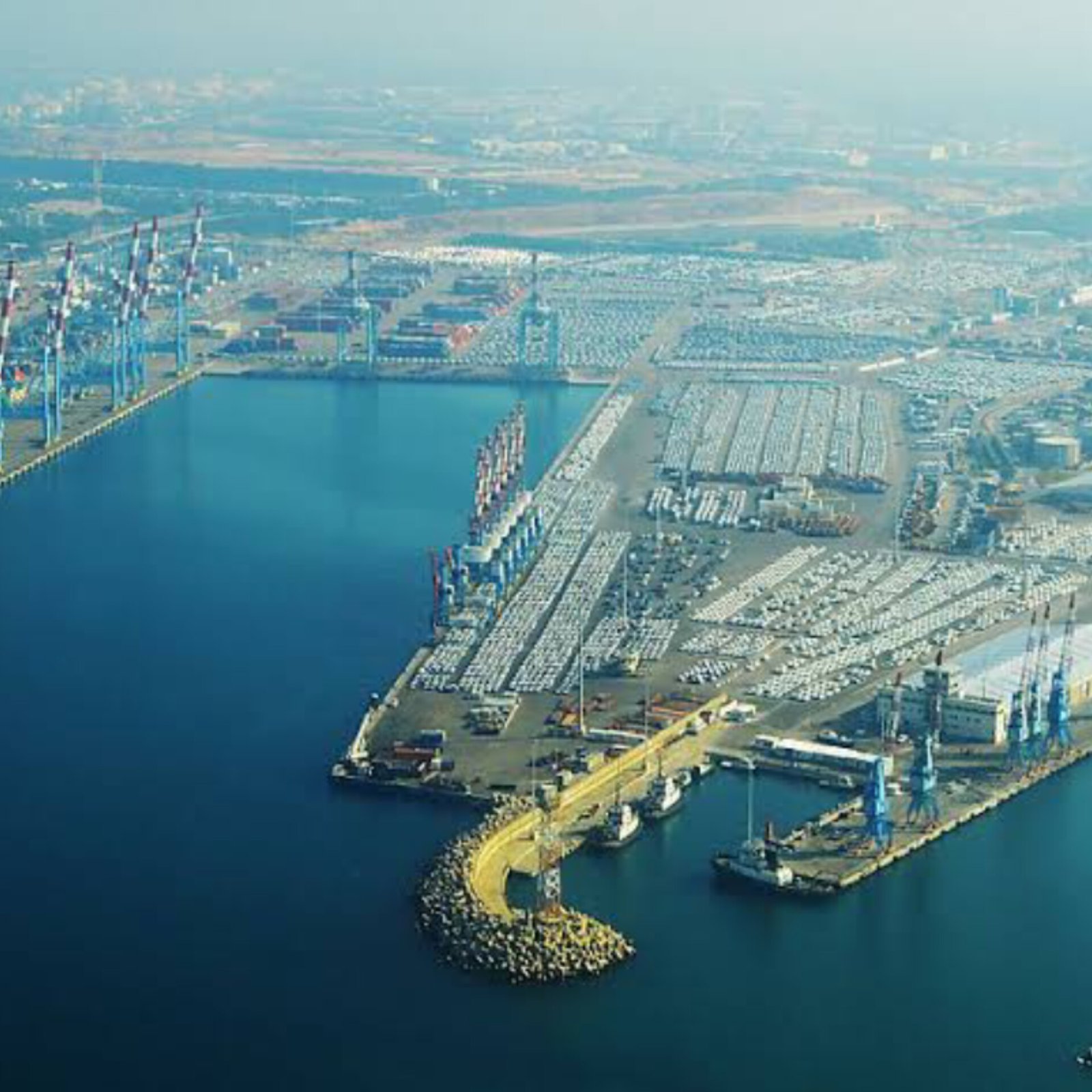
A missile launched by Hezbollah targeted Israel’s Ashdod port, escalating tensions as the Israel Defense Forces continued heavy airstrikes across Lebanon. The attack highlights the widening scope of the conflict despite ongoing US-Iran ceasefire negotiations. Israeli forces say strikes are aimed at Hezbollah infrastructure, while Lebanon reports rising casualties and displacement. The escalation raises serious concerns over the stability of peace talks, as continued cross-border attacks risk derailing diplomatic efforts and pushing the region closer to a broader and prolonged conflict. (PC: X)
Brief by Shorts91 Newsdesk / 08:58am on 10 Apr 2026,Friday International
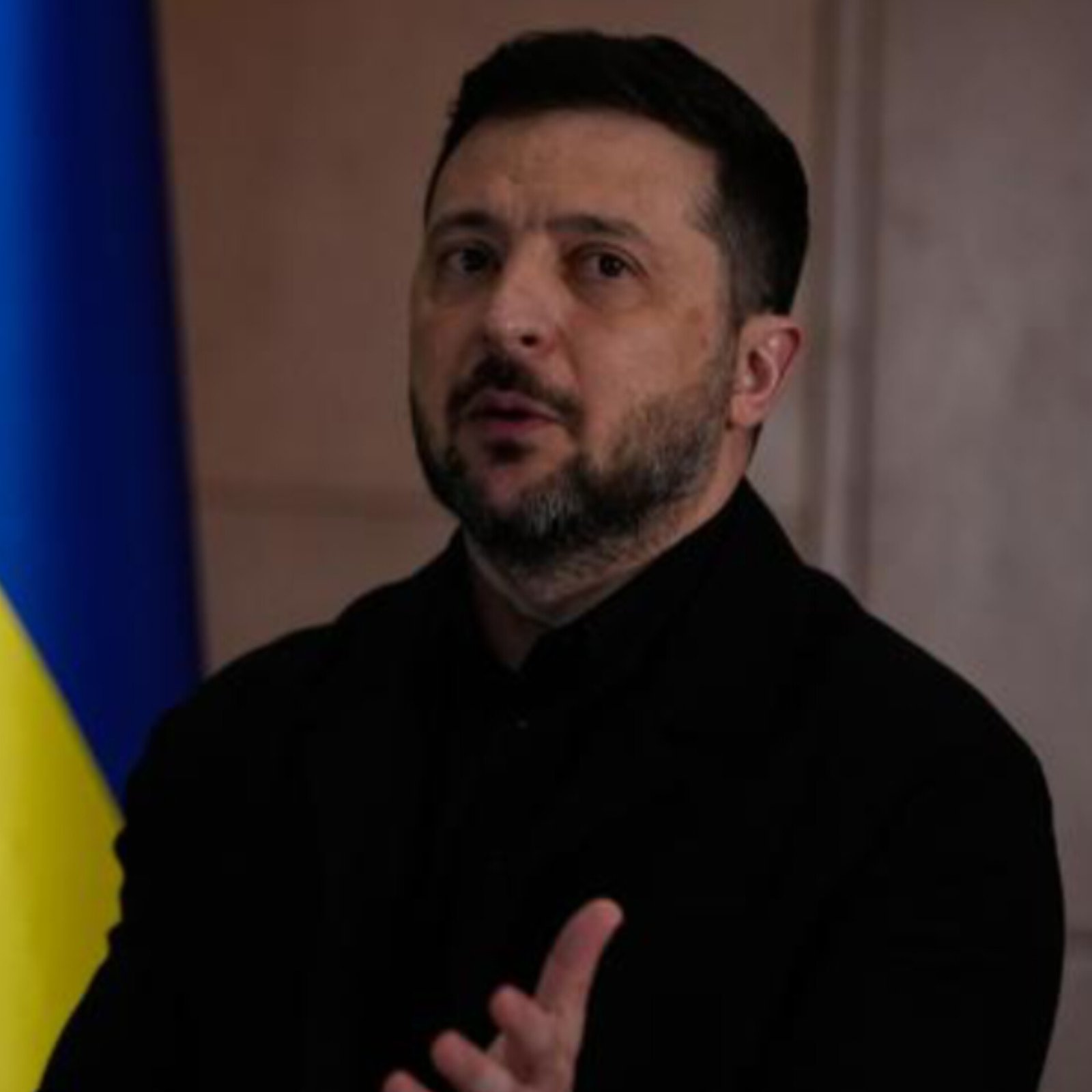
Volodymyr Zelenskyy has called for the reimposition of sanctions on Russian oil following the Iran ceasefire, warning that easing restrictions allowed Moscow to profit from rising global energy prices. He questioned whether sanctions lifted during the Middle East conflict would now be restored, suggesting the move exposed underlying political motives. Zelenskyy argued that higher oil revenues have strengthened Russia’s war efforts in Ukraine and delayed peace talks. He urged increased international pressure on Moscow, stressing that restoring sanctions is essential to push Russia back toward negotiations and limit its economic advantage. (PC: AP)
Brief by Shorts91 Newsdesk / 08:53am on 10 Apr 2026,Friday International
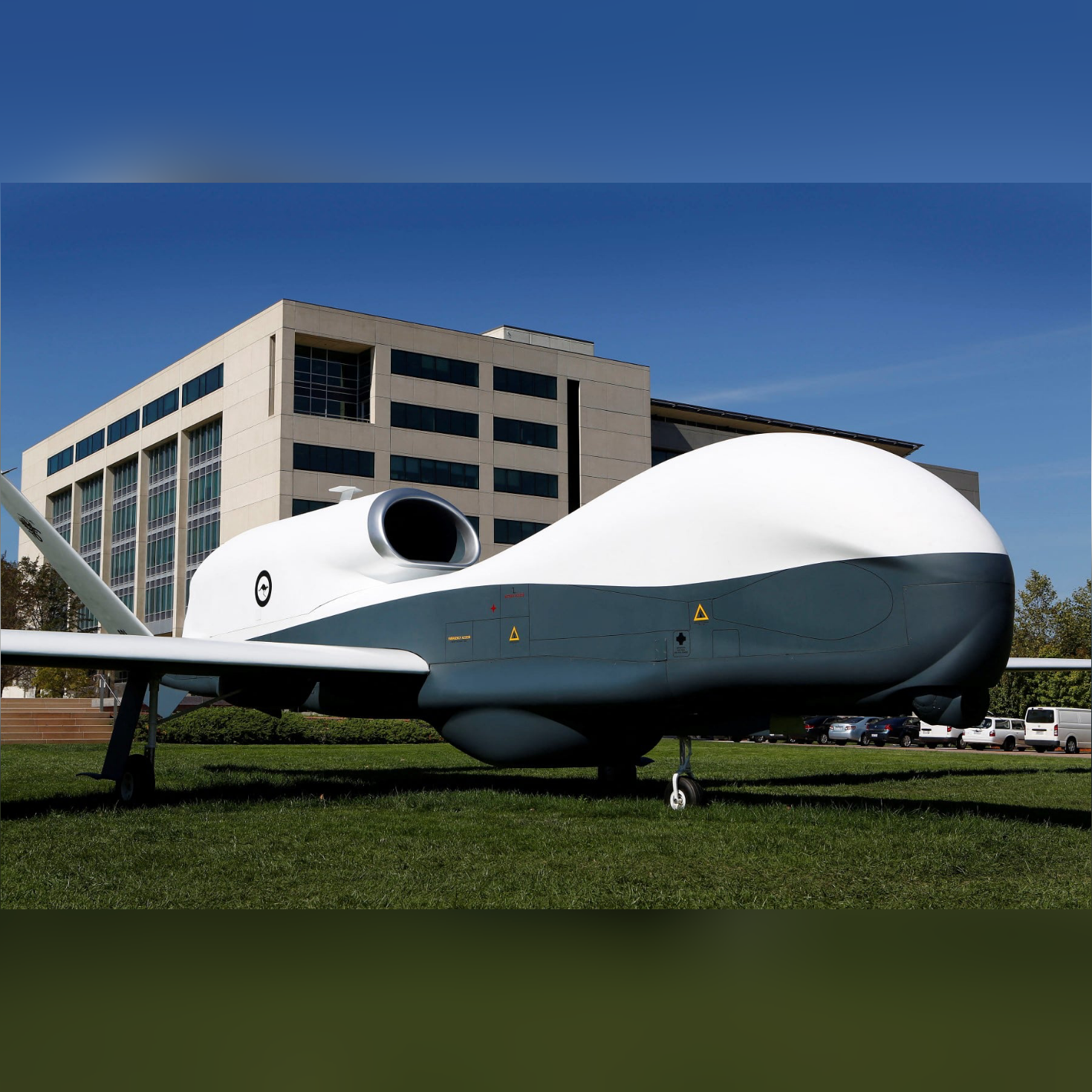
A high-value US Navy MQ-4C Triton surveillance drone reportedly disappeared over the Strait of Hormuz after issuing an in-flight emergency signal. The unmanned aircraft, designed for long-range maritime intelligence and reconnaissance, experienced a rapid descent before vanishing from tracking systems. Open-source flight data indicated the drone dropped sharply from high altitude, raising concerns about a possible crash, technical failure, or signal blackout. Officials have not confirmed the incident, leaving uncertainty over its cause. The disappearance comes amid heightened US-Iran tensions and ongoing conflict in the region, making the strategic loss of such a critical surveillance asset particularly significant. (PC: Moneycontrol)
Brief by Shorts91 Newsdesk / 07:06am on 10 Apr 2026,Friday International
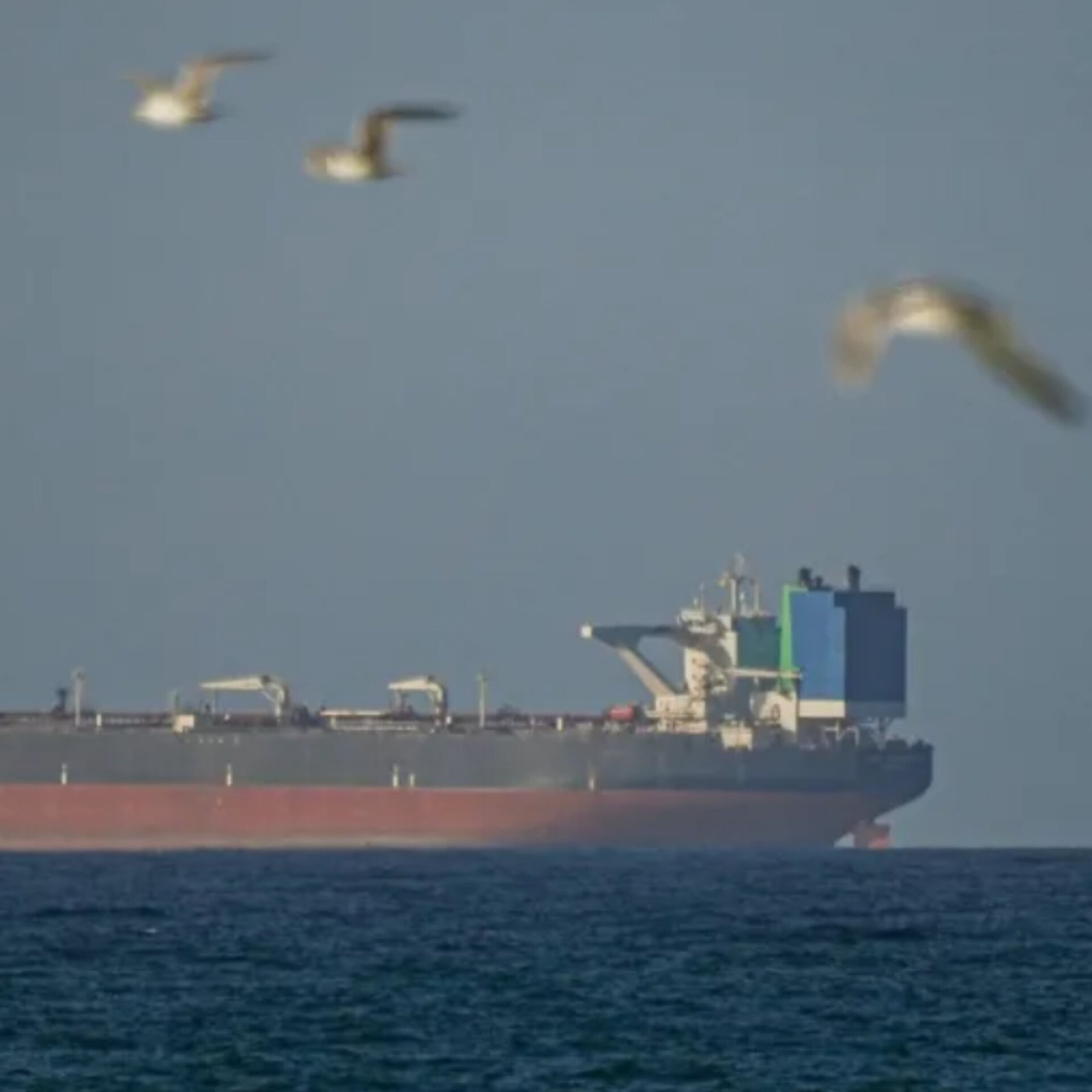
Global energy prices are expected to remain high for months despite the US-Iran ceasefire, as supply disruptions and geopolitical uncertainty continue to affect markets. Analysts say the reopening of the Strait of Hormuz will not immediately restore normal supply, with damaged infrastructure, shipping delays, and insurance risks slowing recovery. Oil and gas flows remain constrained, keeping prices volatile. Experts warn that prolonged instability and logistical challenges will delay price relief, with broader impacts on inflation, fuel costs, and global economic recovery. (PC: Al Jazeera)

