Brief by Shorts91 Newsdesk / 11:07am on 04 Sep 2025,Thursday India
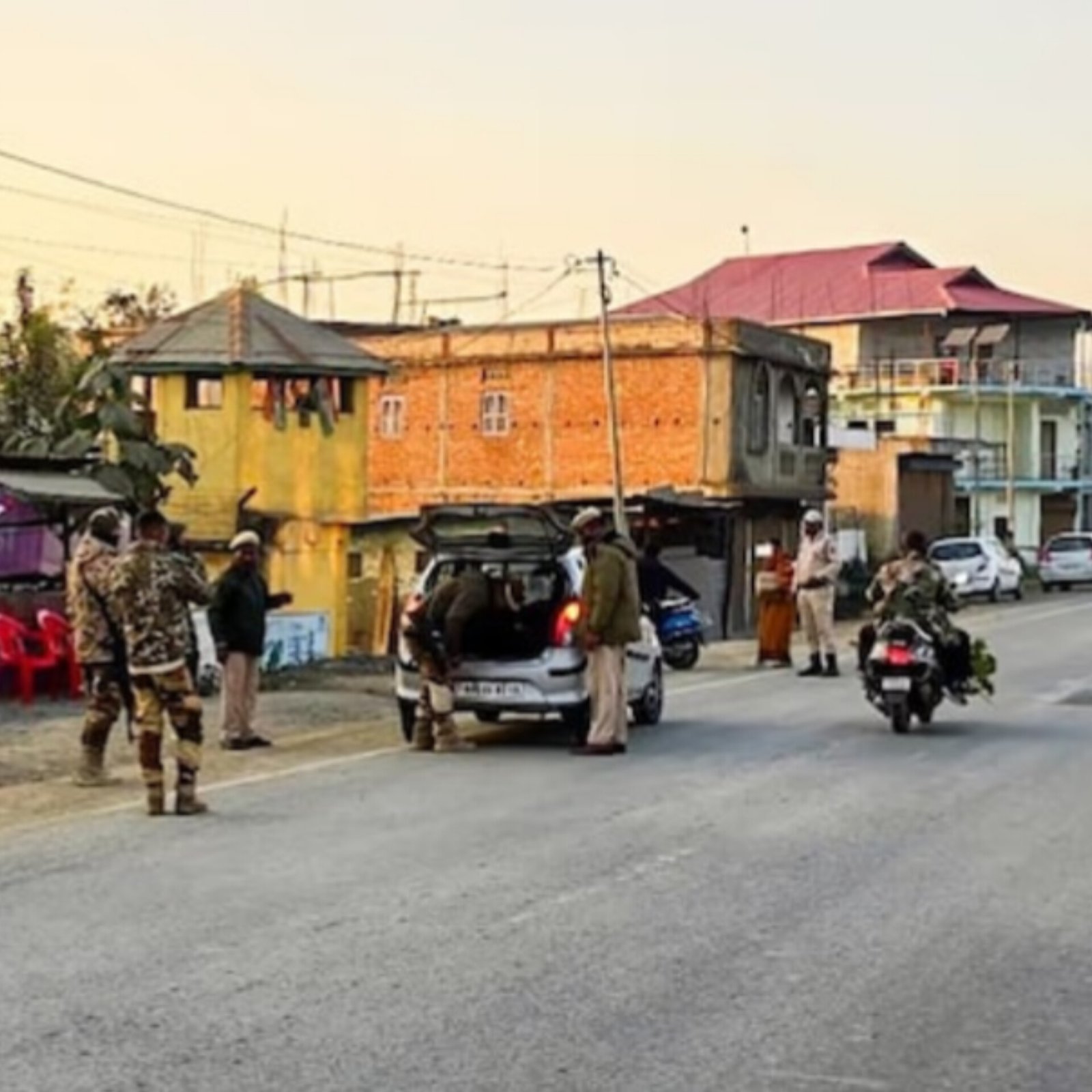
The Centre, Manipur government, and Kuki-Zo groups signed a new agreement in New Delhi to restore peace. A key decision is the reopening of National Highway-2, allowing free movement of people and goods. The Kuki National Organisation and United People’s Front agreed to relocate seven camps from conflict zones. The revised Suspension of Operations (SoO) deal also mandates shifting weapons to CRPF or BSF camps and strict verification of cadres to prevent foreign presence. A Joint Monitoring Group will enforce the rules. The agreement reaffirms Manipur’s territorial integrity and aims to reduce tensions ahead of the festive season. (PC: India Today)

Brief by Shorts91 Newsdesk / 10:57am on 04 Sep 2025,Thursday India
The GST Council has ended confusion over popcorn tax. From September 22, all salted and spiced popcorn, whether loose or packed, will be taxed at 5%. Caramel popcorn will remain under the 18% slab as it is classified as confectionery. Cream buns will also attract only 5%, instead of the earlier 18% pastry rate. The 56th GST Council meeting, chaired by Finance Minister Nirmala Sitharaman, also announced a simplified two-slab structure of 5% and 18%. Sin and luxury goods will be taxed at 40%. Health and life insurance premiums have also been exempted from GST. (PC: News18)
Brief by Shorts91 Newsdesk / 07:41am on 04 Sep 2025,Thursday India
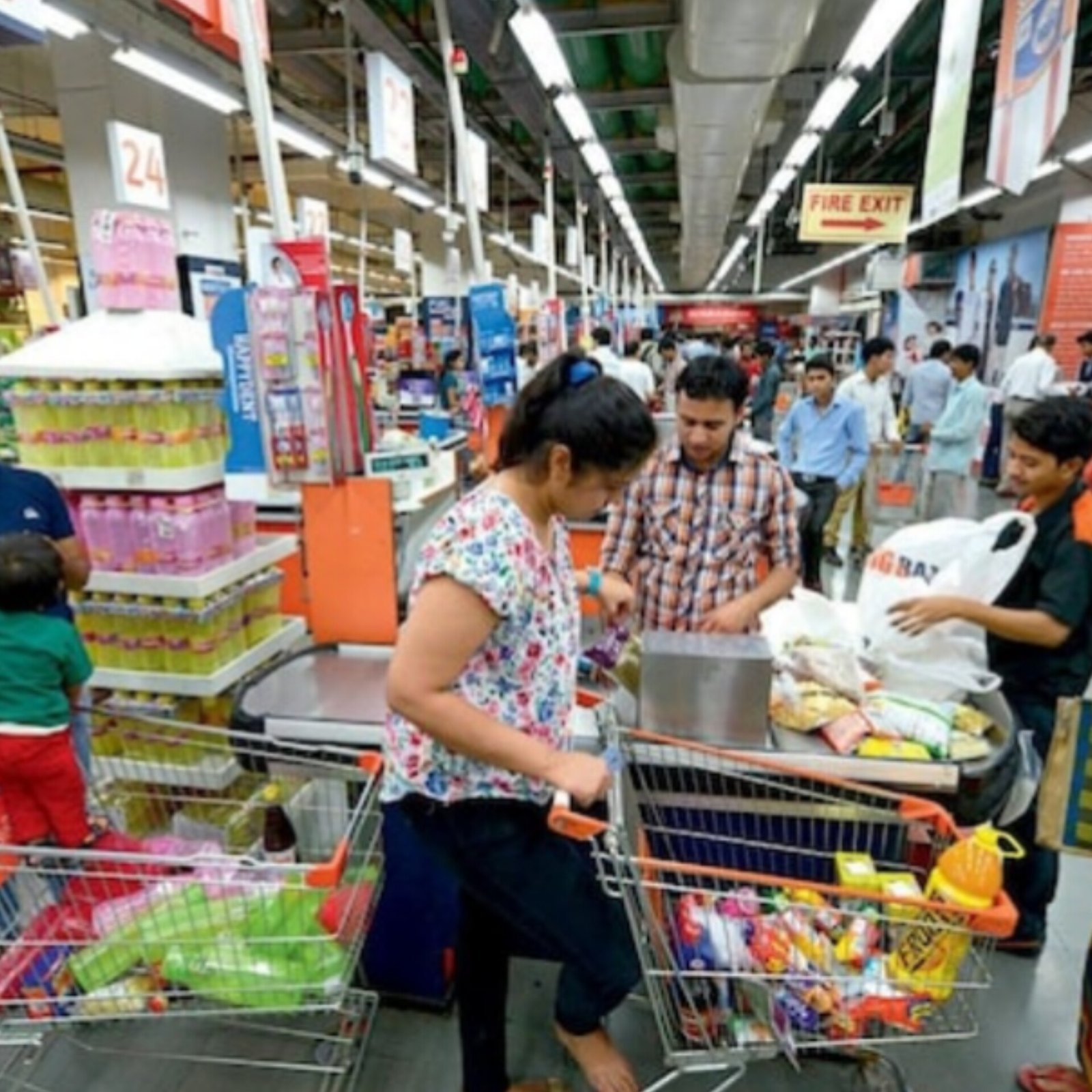
The middle class in India will now spend less on daily needs and gadgets. Finance Minister Nirmala Sitharaman announced GST 2.0, the biggest reform in 8 years. The tax slabs are now only 5% and 18%, replacing the old four-slab system. Luxury and sin goods will be taxed at 40%. Items like frozen parathas, chapatis, paneer, and pizza bread are now GST-free. TVs and refrigerators will also cost less. Sitharaman said the changes focus on the “common man” and aim to boost festive season spending. The government hopes this will support farmers, industries, and the middle class. (PC: India Today)
Brief by Shorts91 Newsdesk / 03:52am on 04 Sep 2025,Thursday India
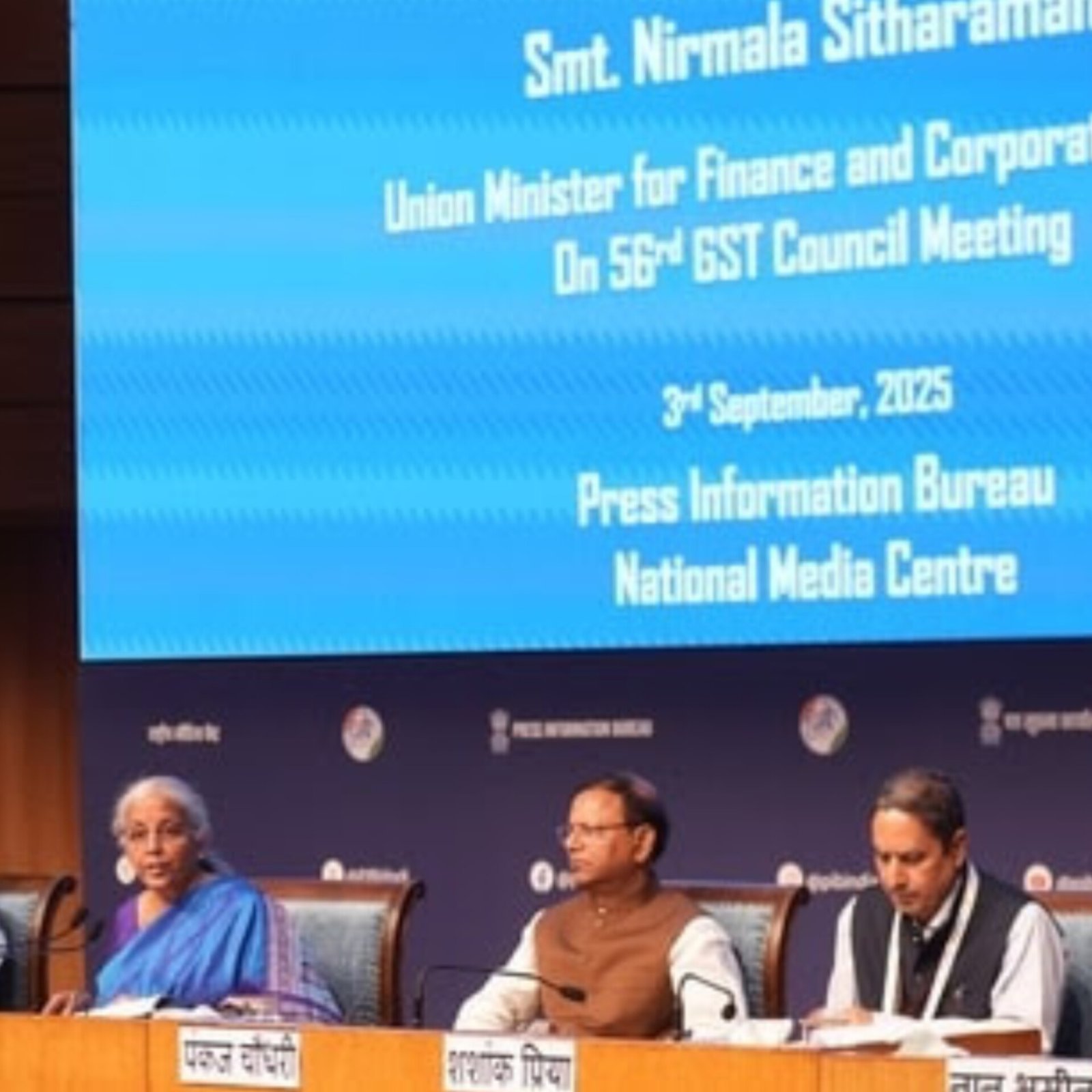
In a landmark reform, the GST Council has approved a new two-slab structure, replacing the earlier four-tier rates of 5%, 12%, 18%, and 28% with simplified slabs of 5% and 18%, effective September 22. Essential goods like dairy products, dry fruits, soaps, detergents, and small vehicles will now be taxed at the lower 5% rate, while individual life and health insurance policies become GST-free. However, luxury cars, high-end bikes, yachts, energy drinks, and aerated beverages will attract a steep 40% GST. Pan masala and tobacco remain at 28% plus cess until dues are settled. (PC: PTI)
Brief by Shorts91 Newsdesk / 08:00pm on 03 Sep 2025,Wednesday India
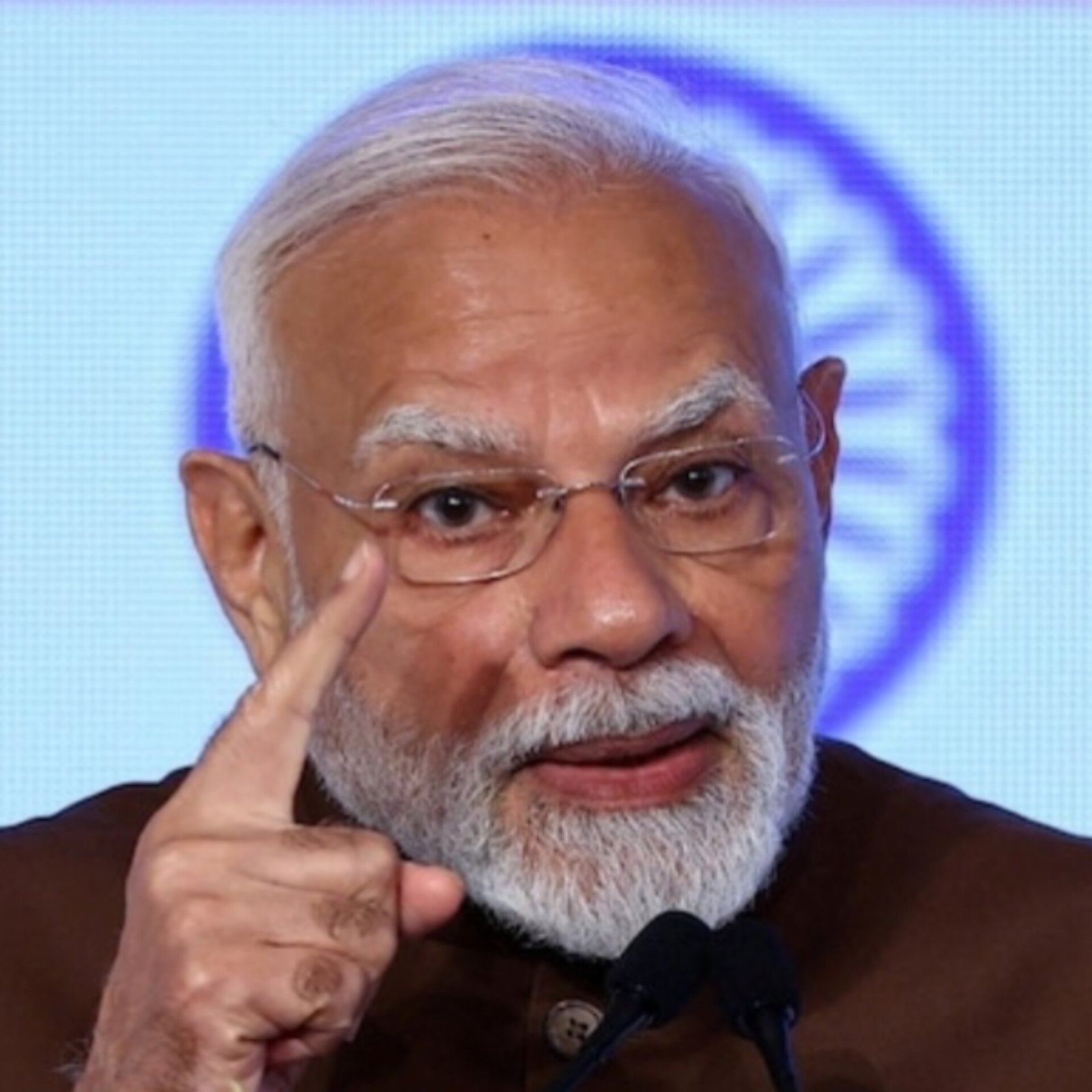
Prime Minister Narendra Modi welcomed the new two-tier Goods and Services Tax (GST) structure announced by the GST Council. He said the reform will benefit farmers, MSMEs, the middle class, women, and youth. The Council decided to keep only two slabs, 5% and 18%, while scrapping 12% and 28%. Most items under higher slabs have moved to lower rates. A new 40% slab will apply to luxury cars, tobacco, and cigarettes. Finance Minister Nirmala Sitharaman said the change will help the common man. The revised GST rates will take effect from September 22, the first day of Navratri. (PC: India Today)
Brief by Shorts91 Newsdesk / 07:52pm on 03 Sep 2025,Wednesday India
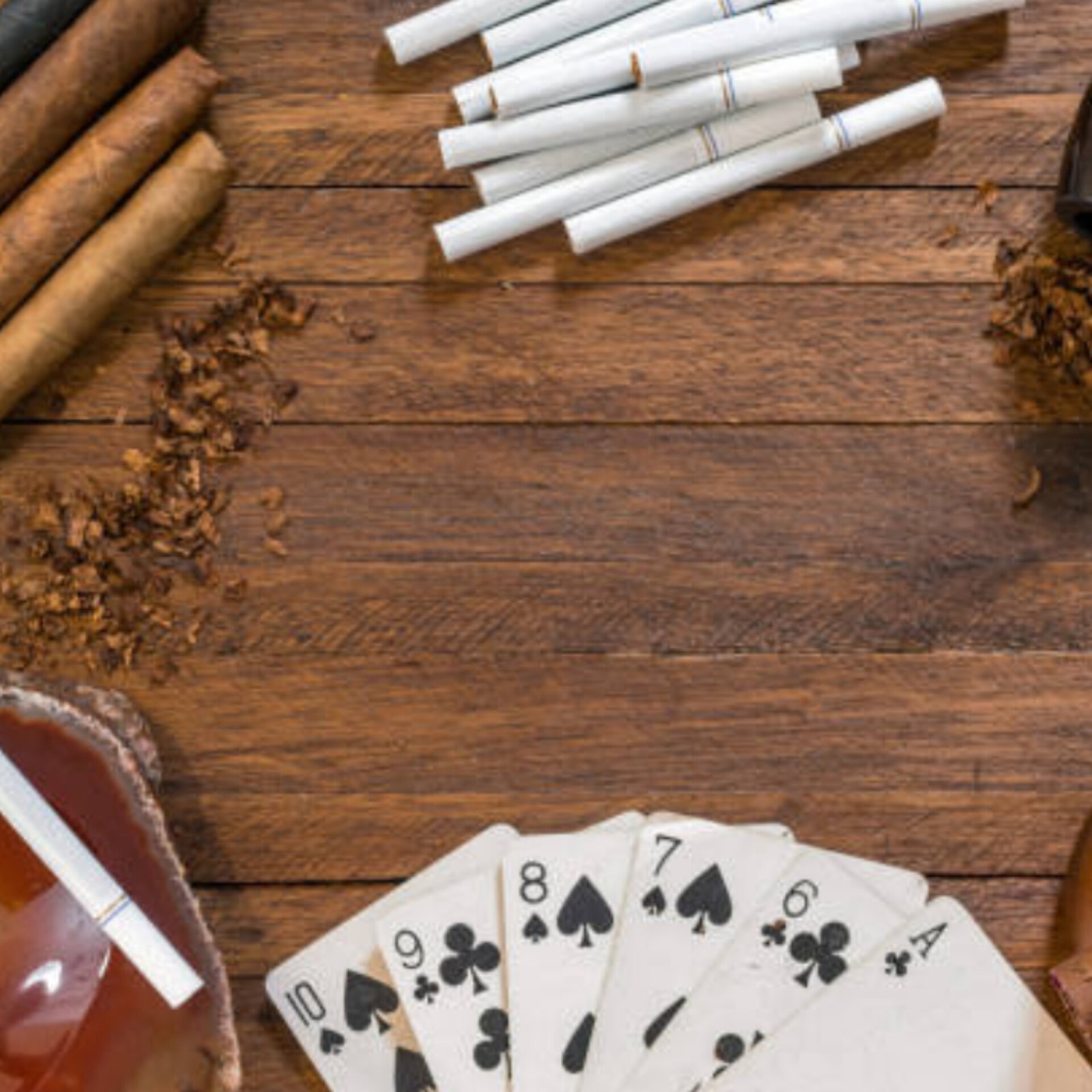
The GST Council has introduced a new 40% tax rate for sin and luxury items in India. Cigarettes, tobacco, pan masala, and aerated drinks with added sugar will now attract the higher rate. Big petrol cars above 1,200 cc, diesel cars above 1,500 cc, motorcycles over 350 cc, yachts, aircraft for personal use, and racing cars will also be taxed at 40%. The Council cut the four GST slabs to just 5% and 18%, scrapping 12% and 28%. Finance Minister Nirmala Sitharaman said the new rates, except on tobacco, will apply from September 22. (PC: X)
Brief by Shorts91 Newsdesk / 06:55pm on 03 Sep 2025,Wednesday India
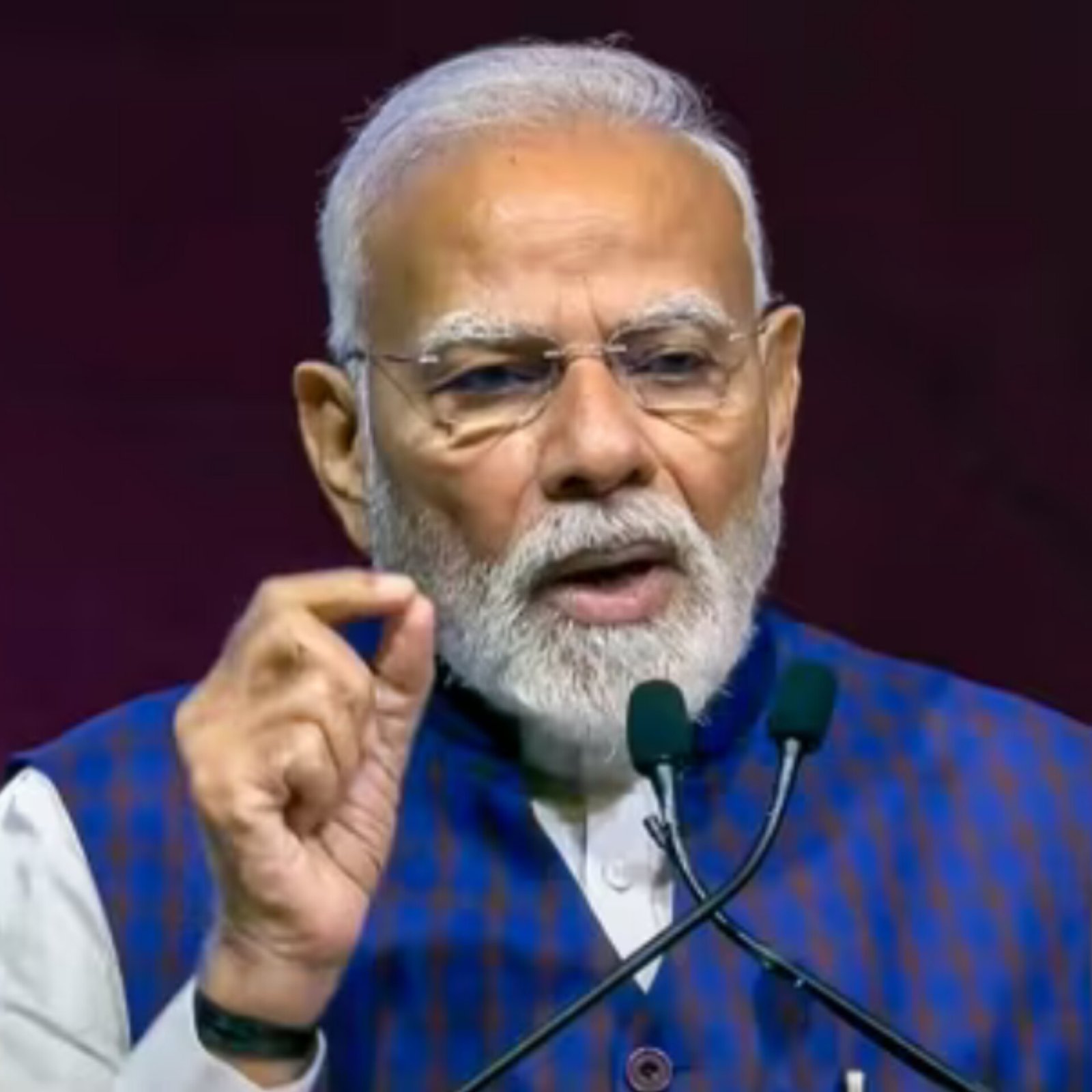
Prime Minister Narendra Modi said on Wednesday that India’s new GST reforms have no link to the tariffs imposed by the United States. He said the Centre had been working on the plan for 1.5 years. The new GST structure will start on September 22 with a two-tier rate of 5% and 18%, and 40% on luxury and sin goods. Modi said the reforms aim to make life easier for the common man, farmers, MSMEs, women and youth. Finance Minister Nirmala Sitharaman said MSMEs will benefit as compliance becomes simpler and rates on daily use items drop. (PC: HT)
Brief by Shorts91 Newsdesk / 02:56pm on 03 Sep 2025,Wednesday India
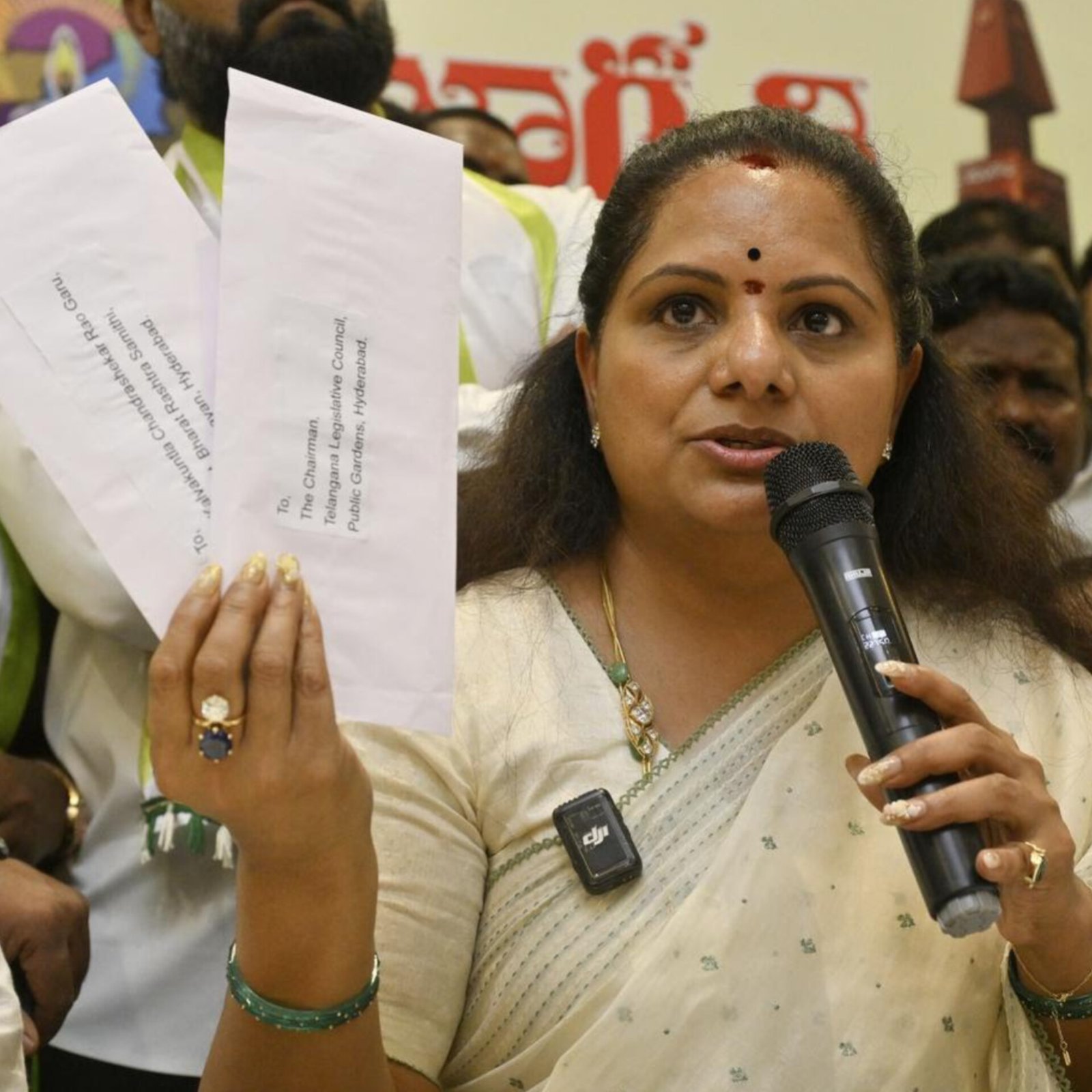
A day after being suspended from the Bharat Rashtra Samithi (BRS) on September 2, 2025 for alleged anti-party activities, K. Kavitha — daughter of former Telangana Chief Minister K. Chandrashekar Rao — tendered her resignation from both the party and her position as an MLC on September 3, 2025 . Her ousting followed public criticism of senior party leader and cousin, T. Harish Rao, viewed by the party as a refusal to reconcile, which led to her suspension . She has alleged a conspiracy within the BRS and expressed disappointment over a lack of support from party leadership . This dramatic exit highlights growing factionalism within the BRS and may impact its leadership dynamics and electoral prospects in Telangana. (PC: The Hindu)
Brief by Shorts91 Newsdesk / 12:45pm on 03 Sep 2025,Wednesday India
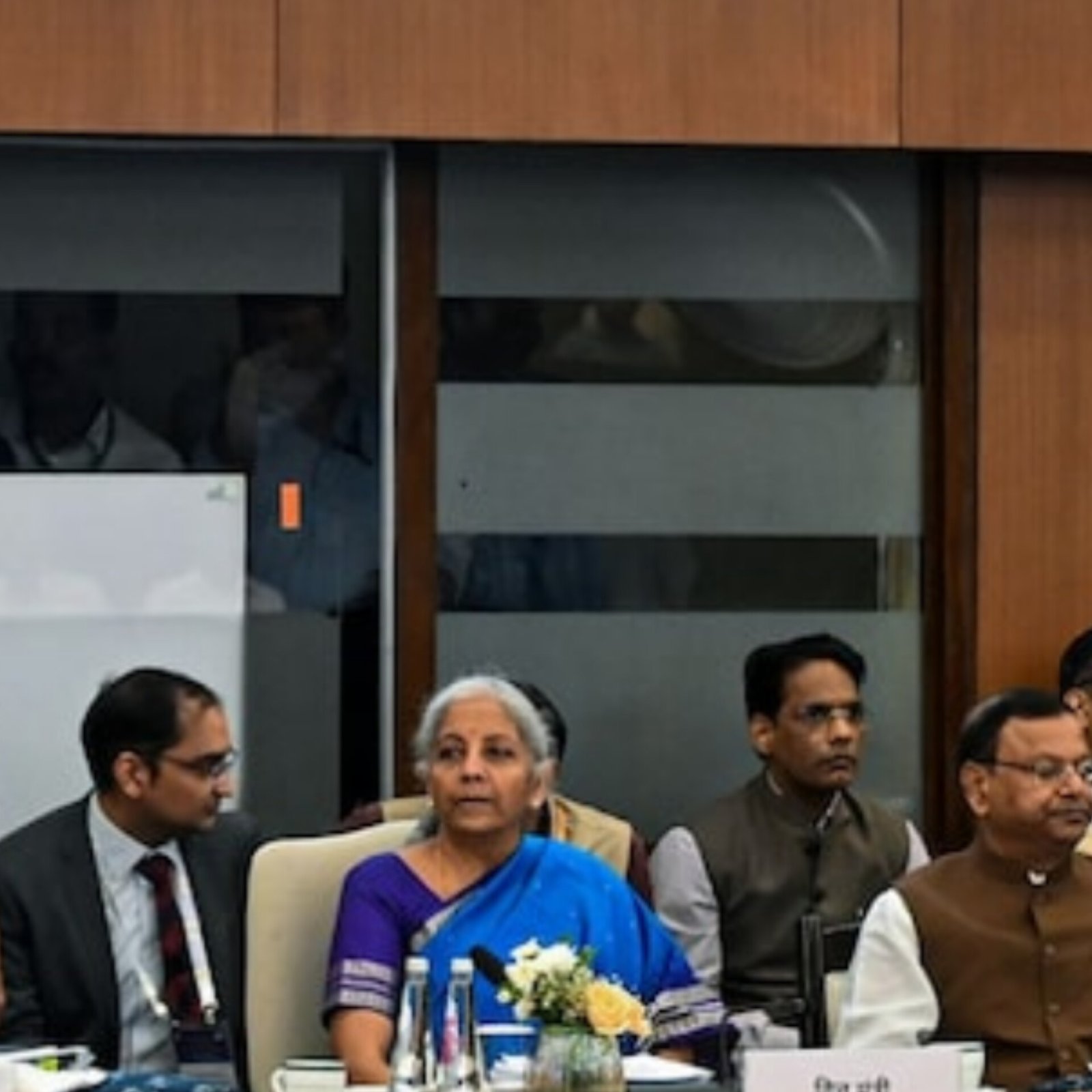
The Goods and Services Tax (GST) Council has approved steps to ease compliance for businesses. Registration time for MSMEs and start-ups will be reduced from 30 days to just three. Exporters will also get automated refunds. The council is considering a major tax overhaul by cutting four slabs to two. Many goods from the 28% slab may shift to 18%, while several from 12% could move to 5%. This aims to lower prices of daily-use items and boost demand. However, states like Tamil Nadu and Bengal fear revenue losses of Rs 50,000 crore and may seek compensation. (PC: NDTV)
Brief by Shorts91 Newsdesk / 05:46am on 03 Sep 2025,Wednesday India
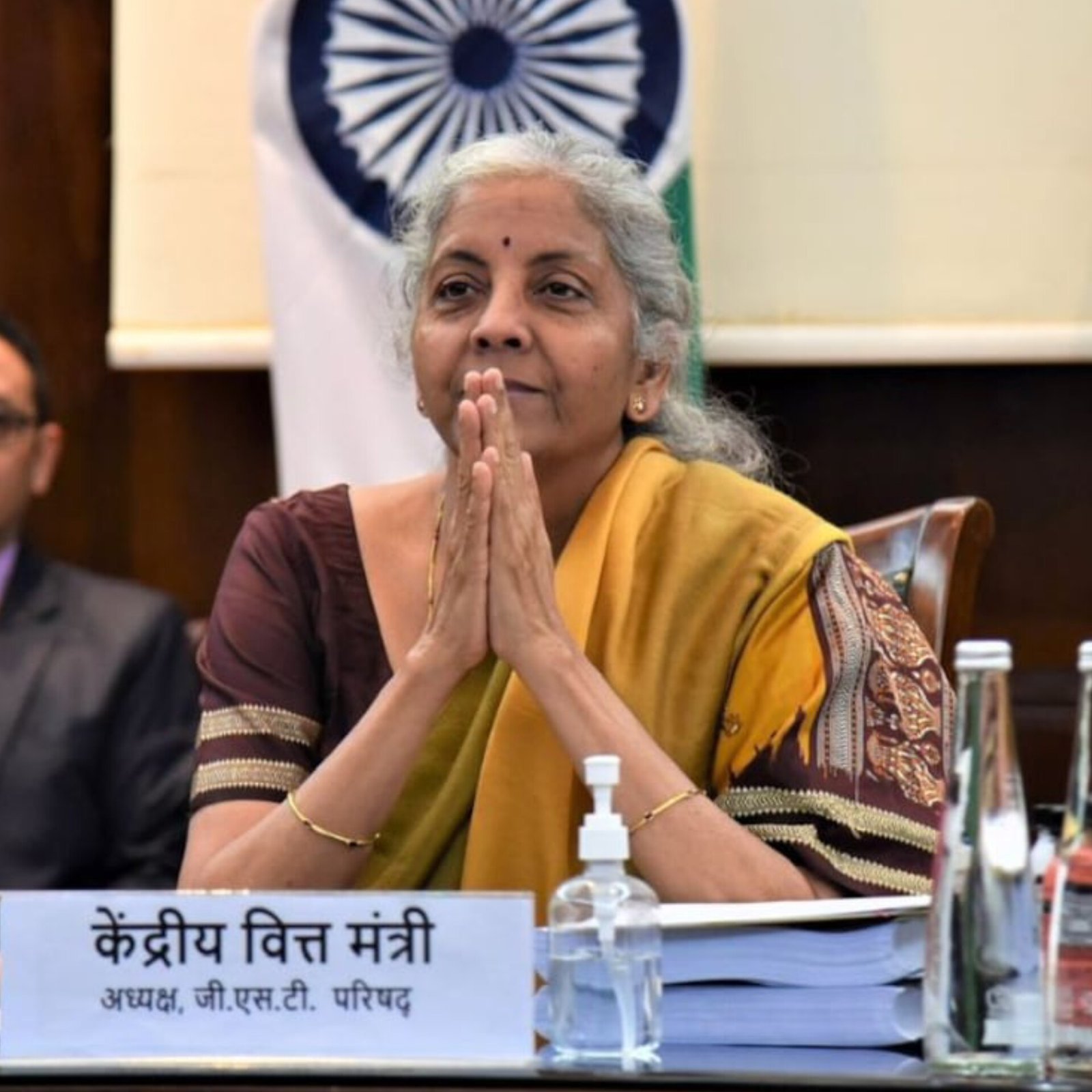
The GST Council, led by Finance Minister Nirmala Sitharaman, is meeting today to discuss big changes in the tax system. The council may move from four slabs to just two – 5% and 18%. Many daily-use items could become cheaper as goods in the 12% slab may shift to 5%. Items in the 28% slab could move to 18%. A “sin tax” of 40% will stay on luxury cars and tobacco. The government says cheaper goods will boost spending, especially among the middle class. Opposition states, however, have raised concerns about revenue loss and are asking for compensation. (PC: NDTV)

