Brief by Shorts91 Newsdesk / 03:22pm on 11 May 2025,Sunday India Global
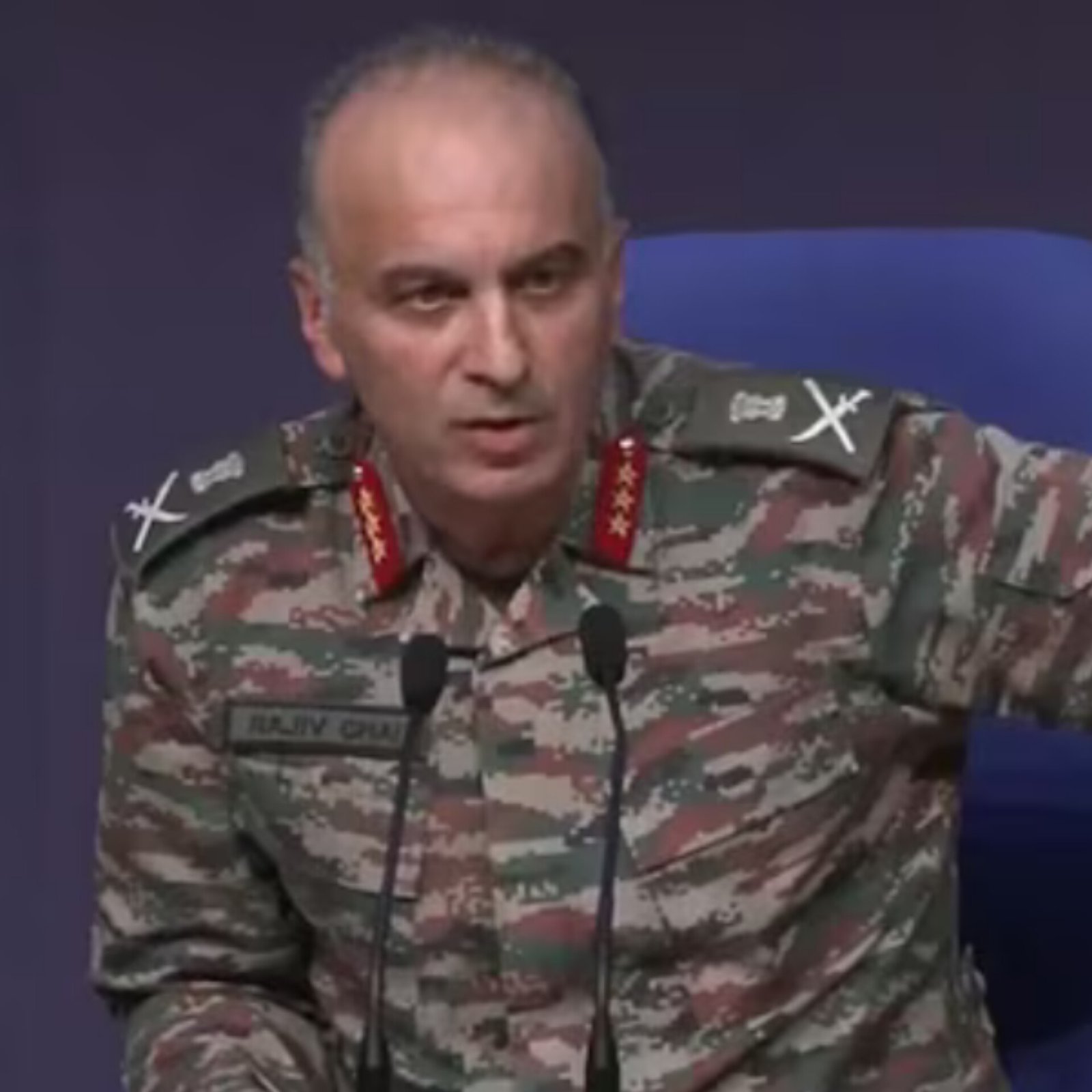
DGMO Lt Gen Rajiv Ghai confirmed that 35 to 40 Pakistani soldiers were killed in Indian retaliatory strikes along the Line of Control between May 7 and 10. The strikes were part of Operation Sindoor, launched after the April 22 Pahalgam terror attack that killed 26 civilians. India initially targeted only terrorist infrastructure, not military personnel. However, after Pakistan used drones against Indian civilian and military areas, India responded by hitting radar sites near Lahore and Gujranwala. The Army emphasized it doesn’t seek escalation but will respond firmly to terror threats, keeping the focus on terrorist groups, not the Pakistani military. (PC: News18)
Brief by Shorts91 Newsdesk / 02:35pm on 11 May 2025,Sunday India Global
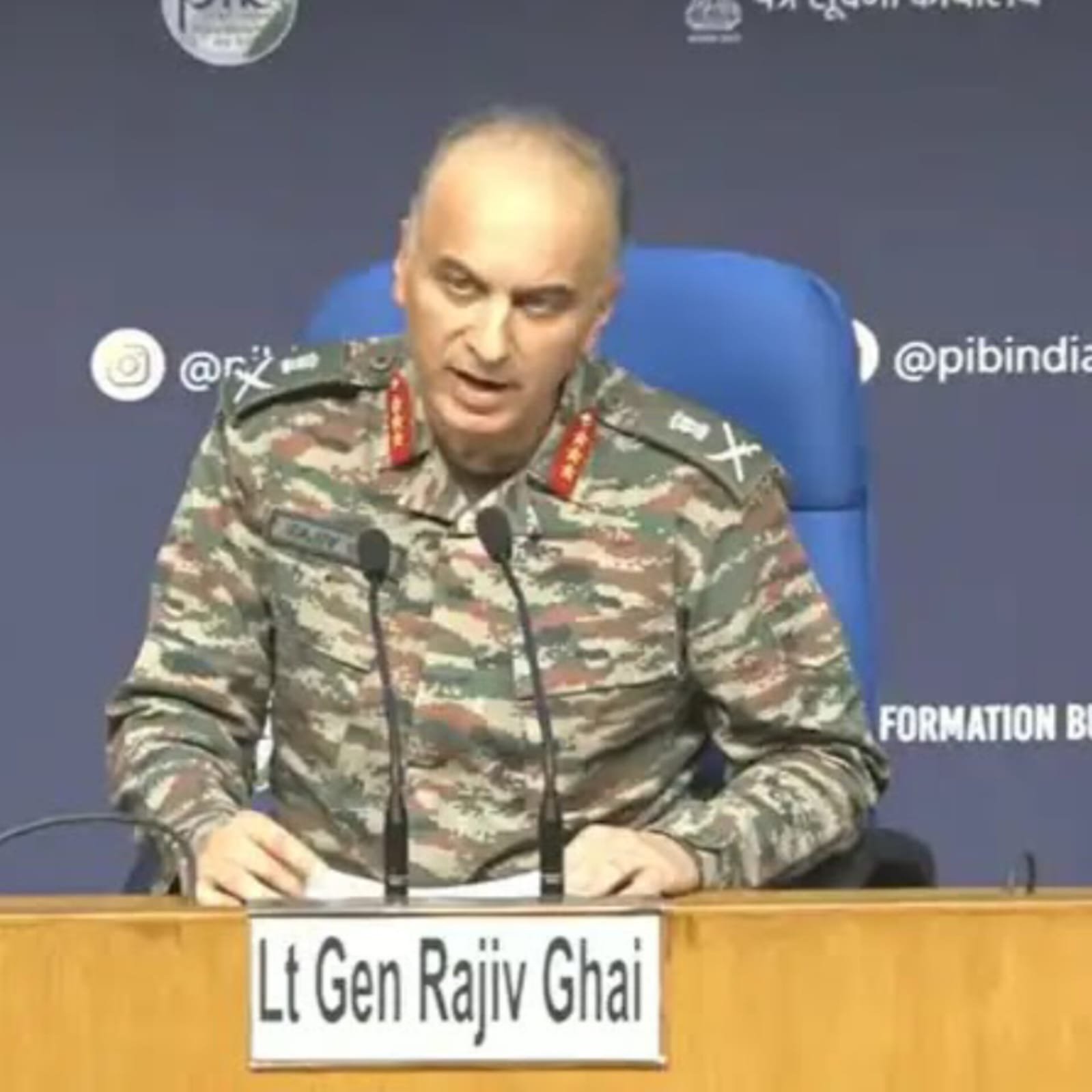
In a bold aerial confrontation under Operation Sindoor, the Indian Air Force successfully intercepted and shot down several Pakistani fighter jets attempting to violate Indian airspace. Among the downed aircraft were a Pakistani F-16, two JF-17s, and a valuable AWACS surveillance plane. The incident, confirmed by Air Marshal AK Bharti, marks a significant escalation in regional tensions. Indian forces also carried out precision strikes on key Pakistani military installations. Although wreckage was reportedly spotted, official confirmation is pending. This marks one of the most decisive aerial engagements in recent years.

Brief by Shorts91 Newsdesk / 02:29pm on 11 May 2025,Sunday India Global
Following a deadly militant attack in Indian-administered Kashmir that killed 26 civilians, India and Pakistan agreed to a U.S.-brokered ceasefire on May 10, 2025. While the truce has temporarily paused cross-border hostilities, it has reignited a diplomatic war of narratives. India asserts its right to defend territorial integrity and counter terrorism, whereas Pakistan underscores alleged human rights violations and challenges India’s 2019 revocation of Kashmir’s autonomy. The ceasefire has not resolved underlying tensions, as global powers including the U.S., China, and Saudi Arabia continue urging both sides toward sustained dialogue. (PC: The Guardian)
Brief by Shorts91 NewsDesk / 02:04pm on 11 May 2025,Sunday India Global
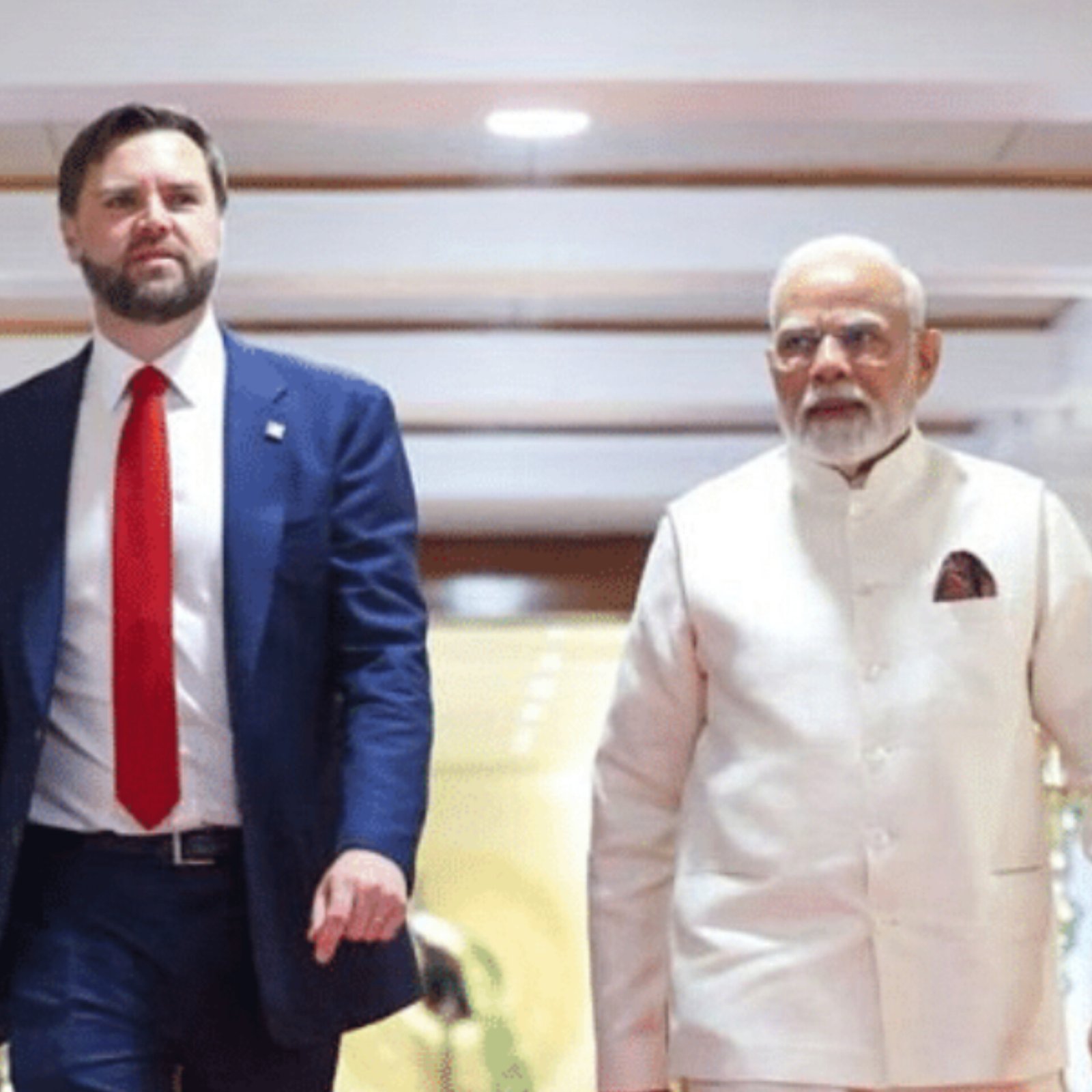
Operation Sindoor, India’s ongoing counter-terror campaign, remains active following Pakistan’s missile and drone strikes on Indian military installations on May 9–10. In a prior conversation with U.S. Vice President J.D. Vance, Prime Minister Narendra Modi warned that any Pakistani aggression would be met with a “harder, bigger, and deeper” Indian response. India’s air defense systems successfully intercepted most incoming attacks, and retaliatory precision strikes caused major damage to Pakistani airbases. India clarified that the U.S. is not mediating, reaffirming its stance of decisive and escalated counter-response to further provocations. (PC: The Print)
Brief by Shorts91 Newsdesk / 01:41pm on 11 May 2025,Sunday India Global
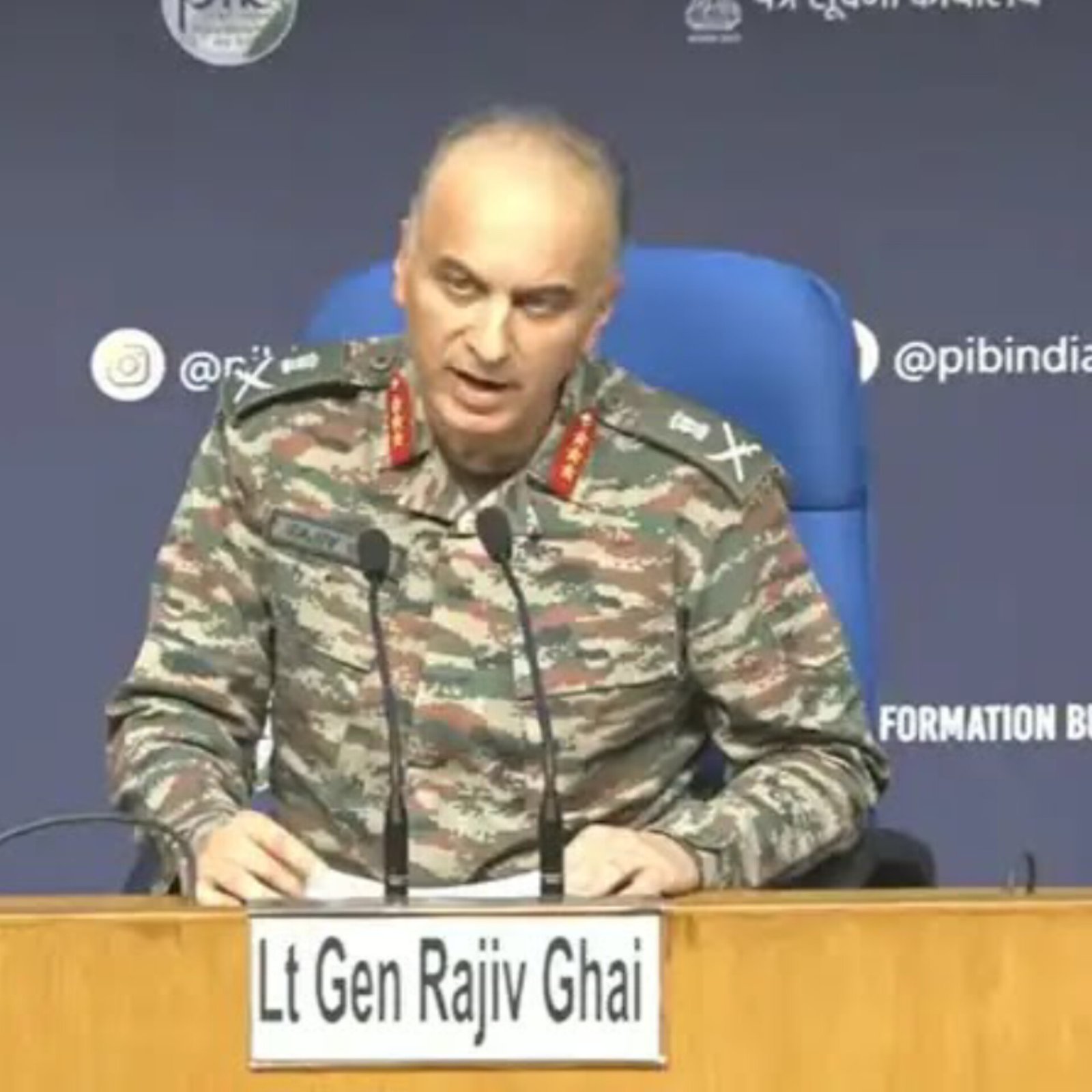
On May 7, 2025, India launched Operation Sindoor, targeting terrorist infrastructure in Pakistan-administered Kashmir and Punjab, including Jaish-e-Mohammed camps. Using Rafale jets and precision bombs, Indian forces reportedly eliminated top militant commander Abdul Rauf Azhar. In response, Pakistan initiated Operation Bunyan Ul Marsoos, triggering intense shelling and drone activity along the Line of Control (LoC) and international borders in Jammu & Kashmir, Punjab, and Rajasthan. Despite a U.S.-brokered ceasefire on May 10, violations resumed within hours. India claimed 35–40 Pakistani fatalities, as global powers urged restraint to prevent further escalation between the nuclear-armed neighbors. (PC: The Economic Times)
Brief by Shorts91 Newsdesk / 01:36pm on 11 May 2025,Sunday India Global
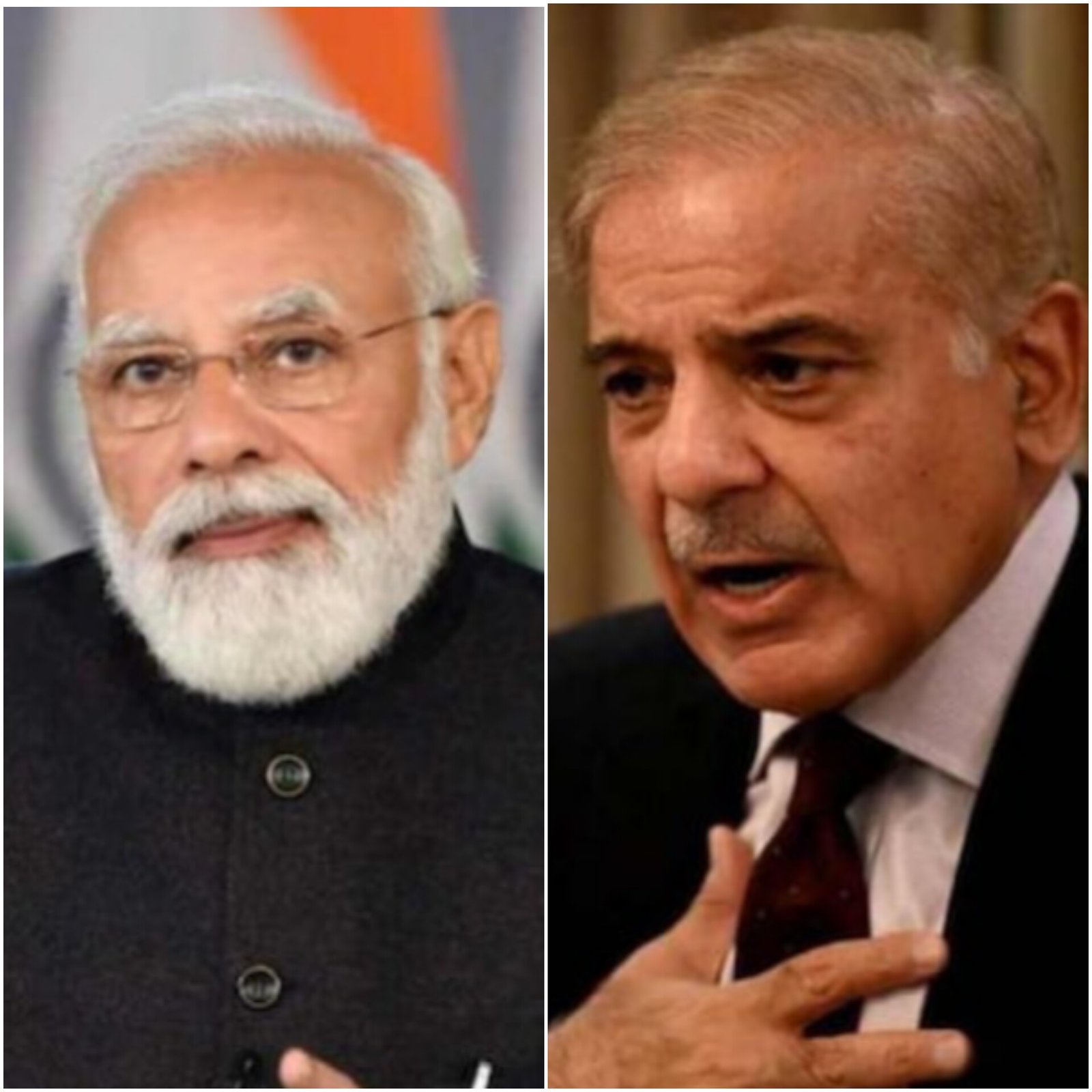
India has said it will only talk to Pakistan about the return of Pakistan-occupied Kashmir (PoK) and the handover of wanted terrorists. Government sources said there will be no discussion on any other issue. India also rejected US President Trump’s offer to mediate in the Kashmir dispute, saying no third party is needed. This statement came after Pakistan violated the recent ceasefire agreement with heavy shelling. India’s Operation Sindoor was a response to the Pahalgam terror attack that killed 26 people. Officials said it was also a reply to 40 years of terrorism from across the border. (PC: India Today)

Brief by Shorts91 NewsDesk / 01:32pm on 11 May 2025,Sunday India Global
In his inaugural Sunday address on May 11, 2025, Pope Leo XIV, the first American pontiff, appealed for global peace, emphasizing the recent ceasefire between India and Pakistan. He expressed hope that this truce would lead to lasting peace through negotiations. The ceasefire followed heightened tensions after India's Operation Sindoor targeted terror infrastructures in Pakistan, retaliating against the April 22 Pahalgam attack that killed 26 civilians. Despite the ceasefire, Pakistan reportedly violated it with drone incursions. Pope Leo also called for peace in Ukraine and Gaza, urging an end to conflicts he described as a "third world war in pieces," echoing his predecessor Pope Francis. He concluded by extending Mother's Day wishes to all mothers worldwide. (PC: People)
Brief by Shorts91NewsDesk / 01:30pm on 11 May 2025,Sunday India Global
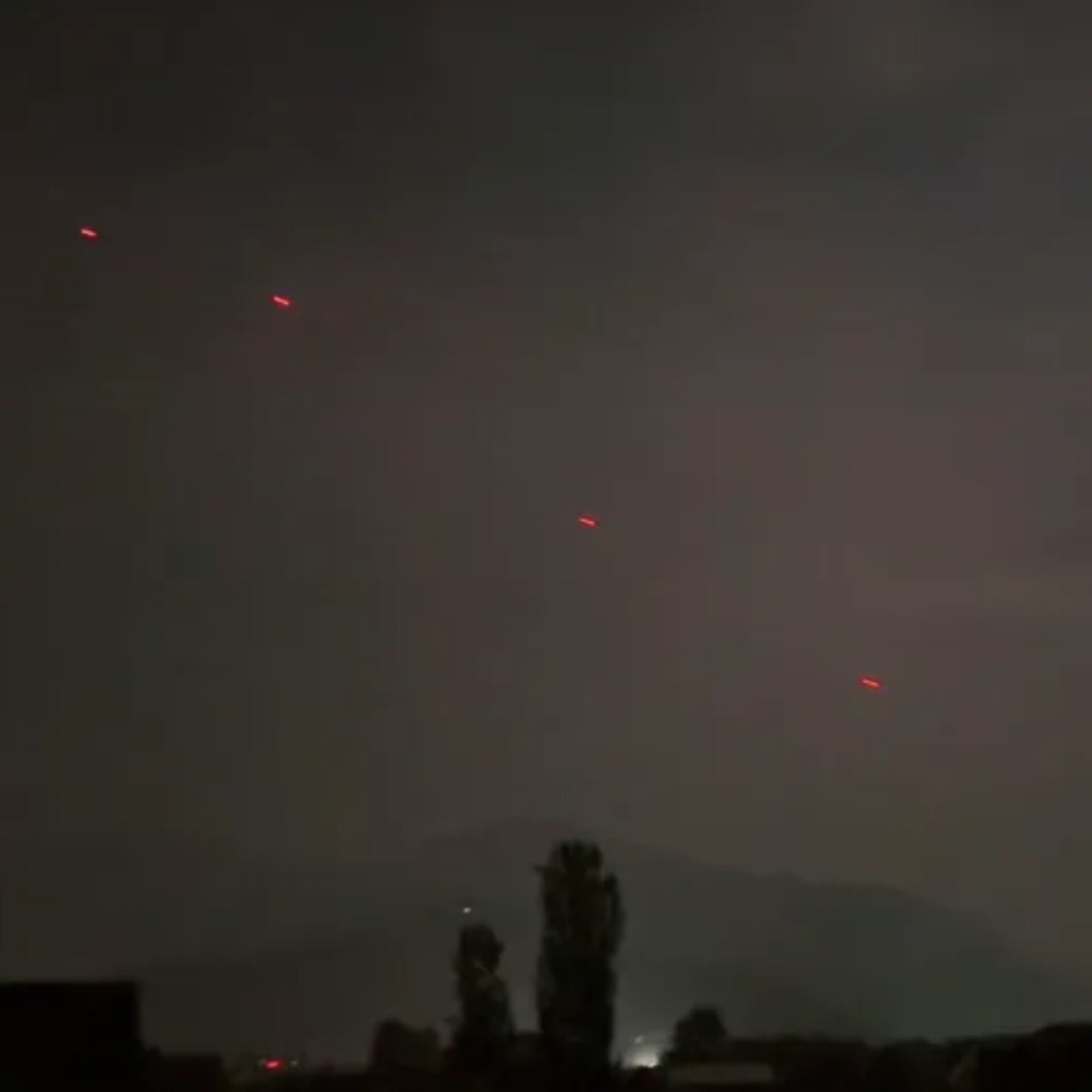
On May 10, 2025, India and Pakistan agreed to a U.S.-mediated ceasefire following a devastating militant attack in Pahalgam that claimed 26 civilian lives. Despite initial hopes for peace, fresh violations erupted within hours, including drone strikes near Srinagar and artillery shelling along the Line of Control. Both sides accused each other of initiating hostilities, casting doubt on the truce's sustainability. U.S. President Donald Trump urged restraint and offered trade incentives to promote dialogue. However, rising tensions and civilian unease in border regions suggest the ceasefire’s future remains uncertain. (PC: AP Photo)
Brief by Shorts91 NewsDesk / 01:29pm on 11 May 2025,Sunday India Global
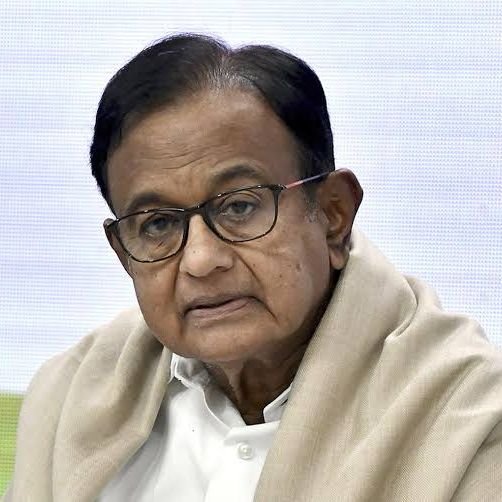
Hours after a US-brokered ceasefire was announced, Pakistan violated the agreement by launching missile and drone attacks across the Line of Control and International Border in Jammu and Kashmir. This escalation followed India's Operation Sindoor, a counter-offensive in response to the April 22 Pahalgam terror attack that killed 26 civilians. Despite the ceasefire, tensions remain high, with India on high alert and Prime Minister Modi holding security meetings with top officials. Pakistan has called for communication on the ceasefire and urged troops to exercise restraint, while denying any violations. The situation along the LoC is currently stable, but western border states remain vigilant. Questioning the timeline of developments in regard to the India-Pakistan ceasefire agreement on Saturday evening, Congress leader P Chidambaram wrote on X that the Director General of Military Operations (DGMO), Pakistan called DGMO, India at 3.35 pm and proposed a cease-fire, and India agreed. "India's Foreign Secretary made no reference to President Trump or Secretary Marco Rubio or a forthcoming meeting or a neutral site. That is intriguing too," Chidambaram added. (PC: The Hindu)
Brief by Shorts91NewsDesk / 01:15pm on 11 May 2025,Sunday India Global
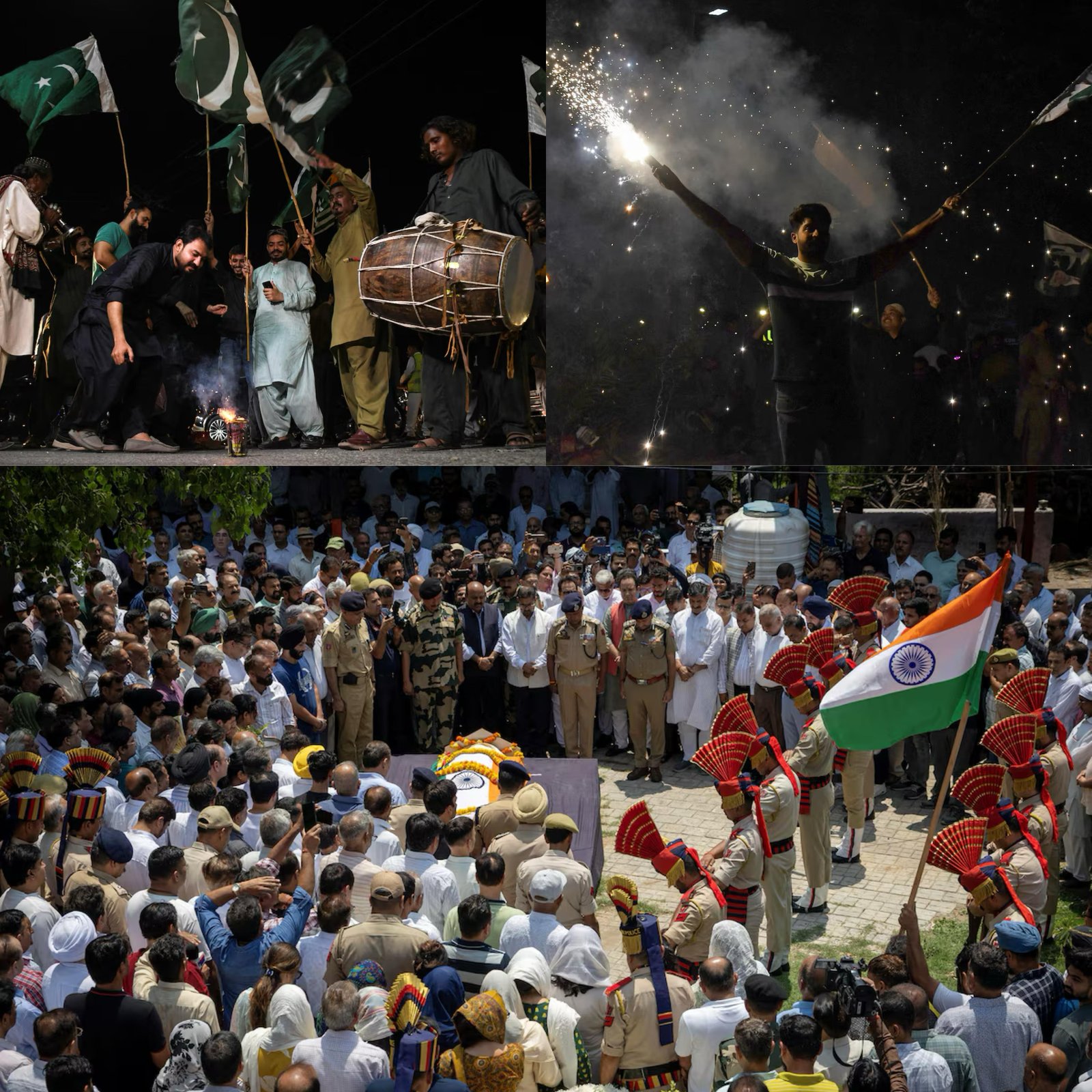
A fragile ceasefire between India and Pakistan held on Sunday after four days of intense conflict, which marked the worst fighting in nearly three decades between the nuclear-armed neighbors. The violence, which included missile and drone attacks on military installations, left nearly 70 people dead in both countries. The ceasefire was brokered following diplomatic efforts and pressure from the United States, although brief artillery exchanges continued shortly afterward in Indian-controlled Kashmir. U.S. President Donald Trump praised both nations for halting hostilities and offered help in resolving the long-standing Kashmir dispute. Trump also mentioned intentions to boost trade with both countries. Kashmir, a contested region claimed in full by both India and Pakistan but ruled in parts, remains a flashpoint. Recent clashes were sparked by a deadly attack in Pahalgam, Indian Kashmir, which India attributed to Pakistan; Islamabad denied the claims. In the aftermath, residents along border areas faced evacuations and blackouts. Although relative calm has returned, sporadic military operations and safety warnings persist, especially around damaged infrastructure such as the Uri power plant. Civilians on both sides hope for lasting peace and are beginning to cautiously return home. (PC: Reuters)

