Brief by Shorts91 Newsdesk / 07:38am on 21 Dec 2025,Sunday Weather & Environment
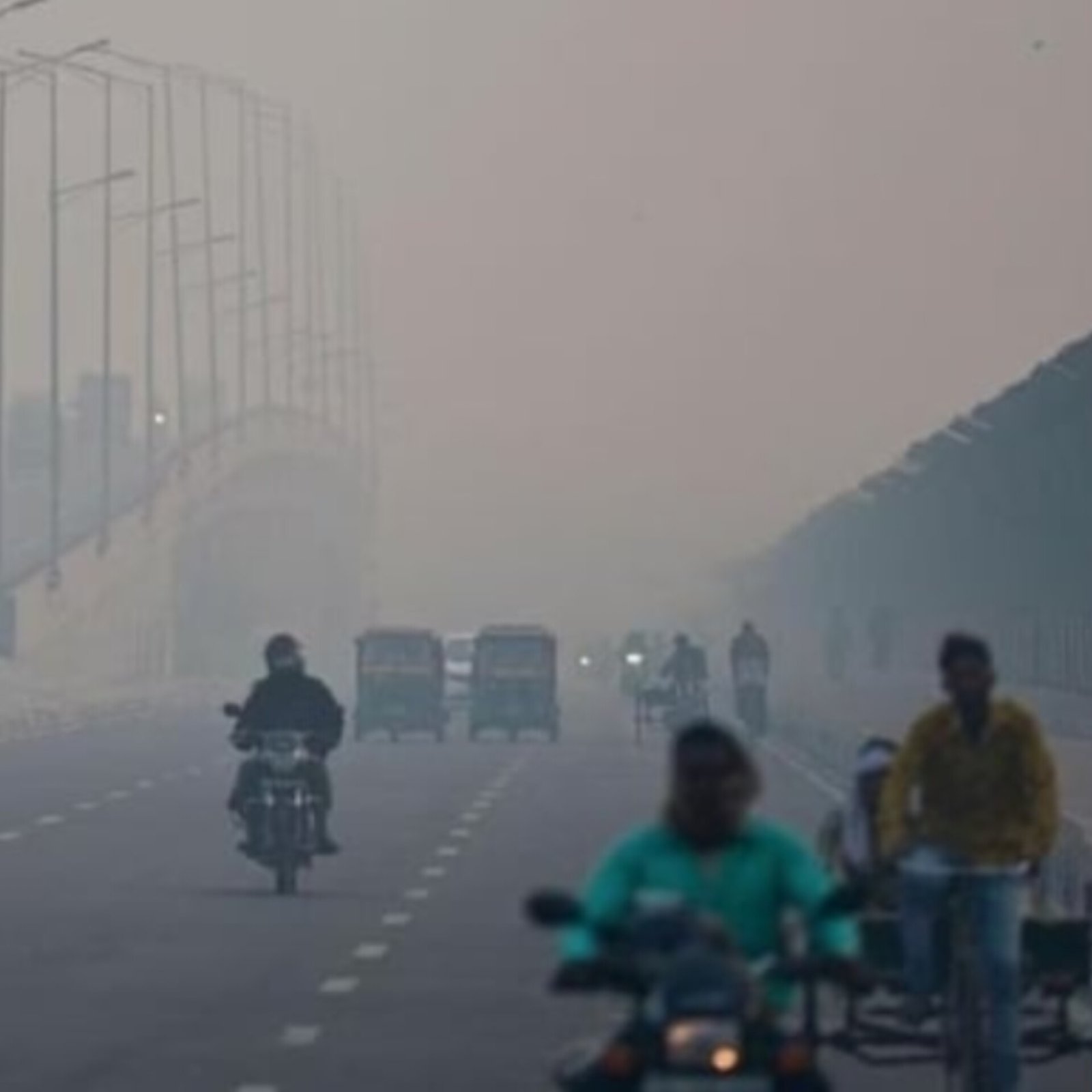
Dense fog across northern India disrupted travel on Sunday, with Delhi airport cancelling 97 flights including 48 arrivals and 49 departures while over 200 flights faced delays. Northern Railways reported over 50 trains delayed due to adverse weather conditions. The Airports Authority of India issued an advisory warning that reduced visibility may cause flight operation changes at select airports, urging passengers to check updates through official channels. Delhi airport maintained operations were "normal" but advised consulting airlines for schedule updates. The capital woke to toxic smog with Air Quality Index at 390 (very poor category), while several areas reached severe levels. Morning fog has persisted across the region for days.
Brief by Shorts91 Newsdesk / 05:20pm on 20 Dec 2025,Saturday Weather & Environment
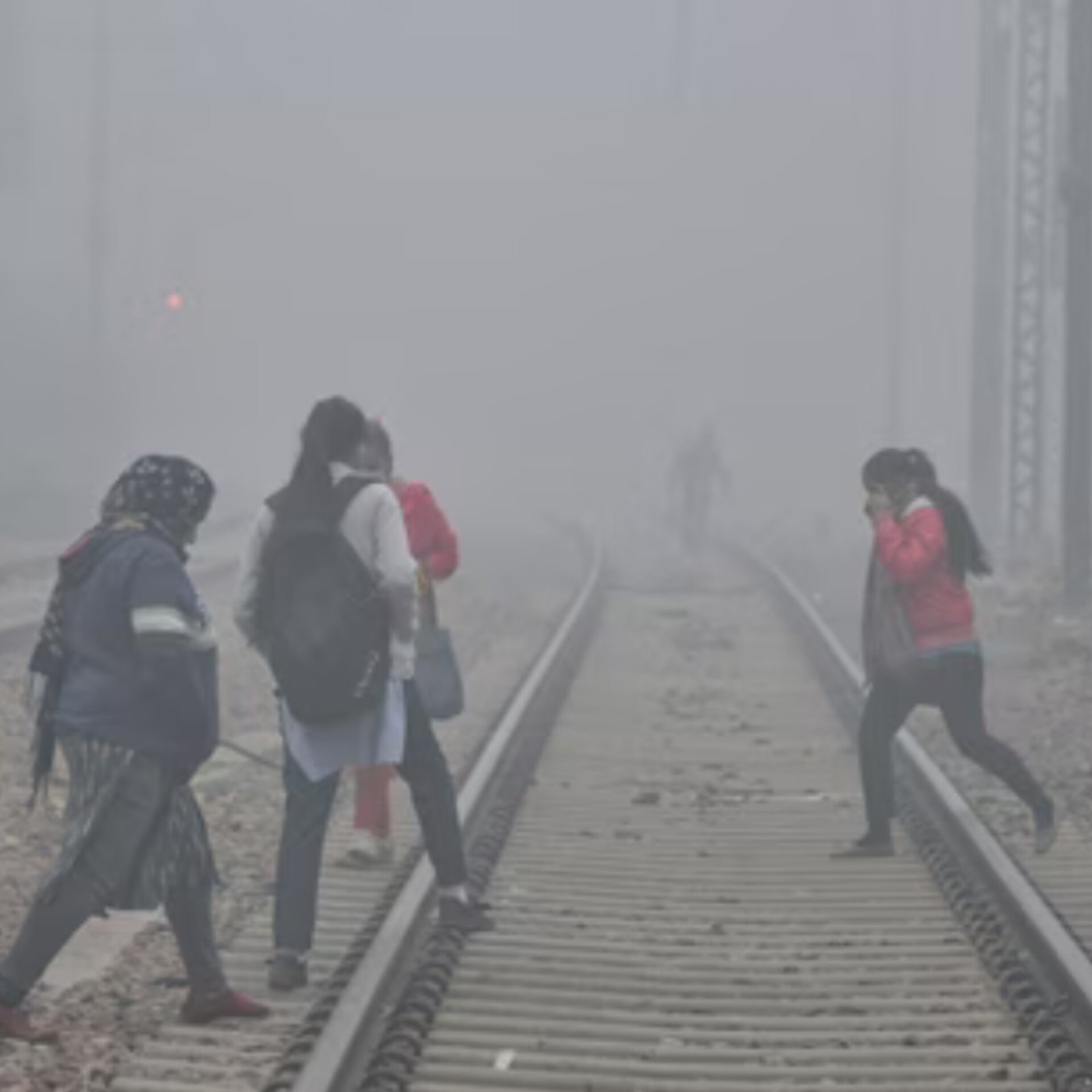
Delhi recorded its first cold wave of the season on Saturday, with the maximum temperature dropping to 16.9°C, officials said. The India Meteorological Department said this was the coldest December day so far. Dense fog and grey haze reduced visibility and disrupted air travel. At least 129 flights were cancelled at Indira Gandhi International Airport, including arrivals and departures. The minimum temperature fell to 6.1°C. Air quality also worsened, with the AQI touching 401 in the evening, entering the severe category. Authorities warned that fog and poor air quality may continue on Sunday. (PC: India Today)
Brief by Shorts91 Newsdesk / 05:15pm on 20 Dec 2025,Saturday Weather & Environment
Delhi environment minister Manjinder Singh Sirsa on Saturday warned of strict action against polluting industries and construction work violating curbs. He said all polluting units in Delhi will be sealed from Sunday. Sirsa added that construction work is banned under GRAP Stage 4 and violators will face legal action. His warning came as Delhi’s AQI touched 398, close to the severe mark, according to the Central Pollution Control Board. The India Meteorological Department predicted cold day conditions and dense fog on Sunday. Sirsa urged people to cooperate to protect public health. (PC: ANI)
Brief by Shorts91 Newsdesk / 07:29am on 20 Dec 2025,Saturday Weather & Environment
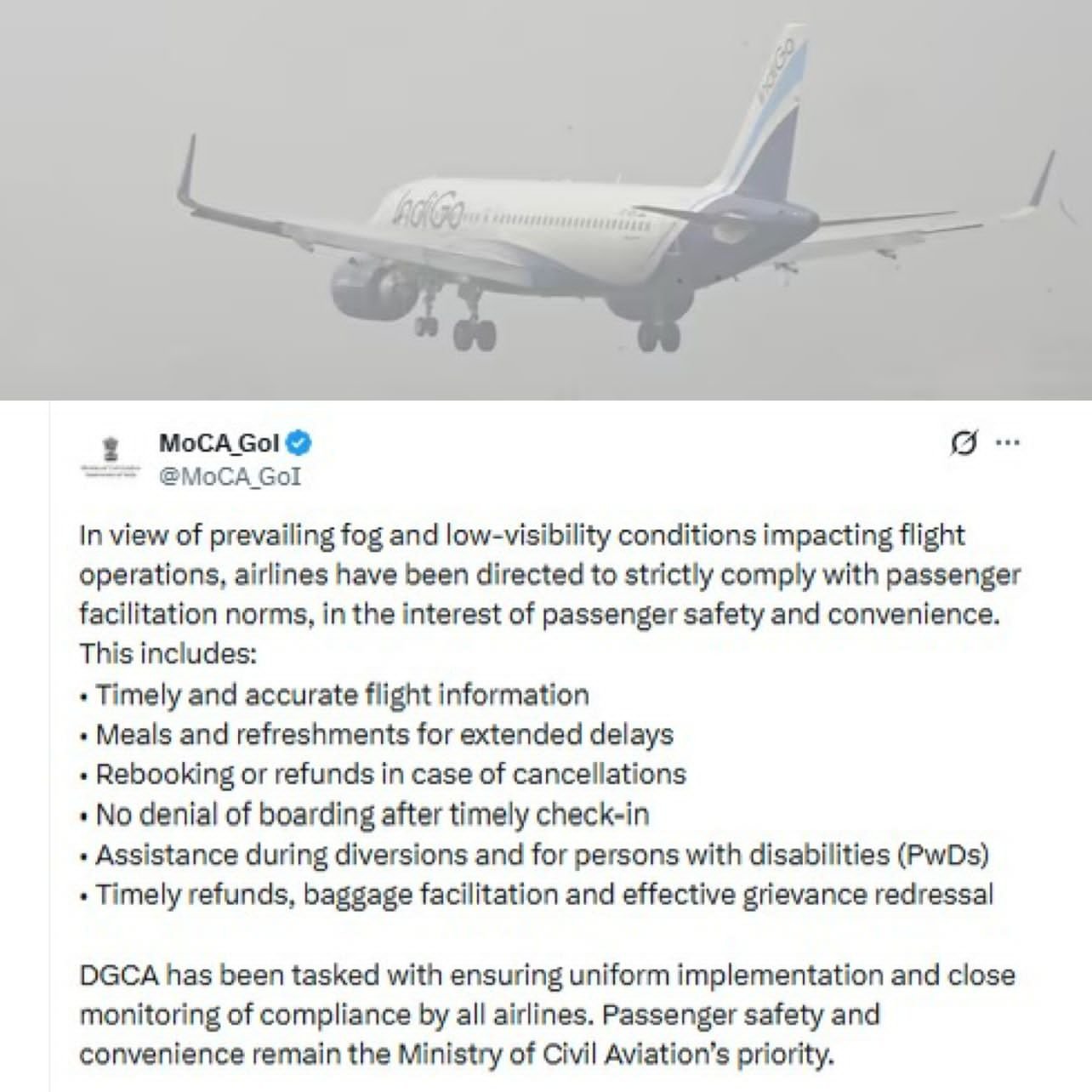
Extreme fog blanketed northern India on Saturday, severely disrupting air, rail, and road transport across multiple states. Delhi's Indira Gandhi International Airport cancelled 129 flights, 66 arrivals and 63 departures due to persistent low-visibility conditions. The India Meteorological Department issued an orange alert for Delhi, warning of dense to very dense fog. Visibility dropped to 200 metres at Safdarjung and 350 metres at Palam by 8:30 AM. Delhi's Air Quality Index stood at 376, with several areas recording severe levels above 400. The Ministry of Civil Aviation directed airlines to follow passenger facilitation norms, mandating timely updates and compensation. Dense fog also disrupted transport in Dehradun, Jammu, Bihar, Punjab, and Uttar Pradesh.(PC: India Today)
Brief by Shorts91 Newsdesk / 05:33am on 20 Dec 2025,Saturday Weather & Environment
Delhi faced severe disruption Friday as dense fog and hazardous air pollution gripped the capital, affecting over 700 flights with 177 cancellations. The India Meteorological Department issued an orange alert for Saturday, warning of dense to very dense fog in early morning hours. Air Quality Index reached 374 in the "very poor" category, with forecasts predicting it will breach 400 into "severe" territory over the weekend. Visibility dropped to zero at Safdarjung station at 5:30 AM. Eleven of forty monitoring stations recorded severe air quality, with Vivek Vihar worst at 434. This marks the ninth consecutive day of very poor or severe air quality despite intensified vehicular enforcement. December has already recorded three severe air days.
Brief by Shorts91 Newsdesk / 07:00pm on 18 Dec 2025,Thursday Weather & Environment
Delhi's 'No PUC, No Fuel' campaign resulted in 3,746 vehicle challans and 568 vehicles turned back within 24 hours of launch, Environment Minister Manjinder Singh Sirsa announced. Joint Delhi Traffic Police and Transport Department teams checked approximately 5,000 vehicles at key entry points. Additionally, 217 non-destined trucks were diverted via Eastern and Western Peripheral Expressways. PUCC issuance surged to 61,912 certificates between December 17-18, indicating increased compliance. Sirsa emphasized strict enforcement and growing public cooperation reduced outside vehicle inflow. Authorities deployed smartplate-reader devices at intersections while conducting manual checks elsewhere. Fuel stations denied service to non-compliant vehicles. Sirsa warned enforcement continues during peak winter pollution, flagging private offices' incomplete work-from-home advisory compliance.
Brief by Shorts91 Newsdesk / 06:46am on 18 Dec 2025,Thursday Weather & Environment
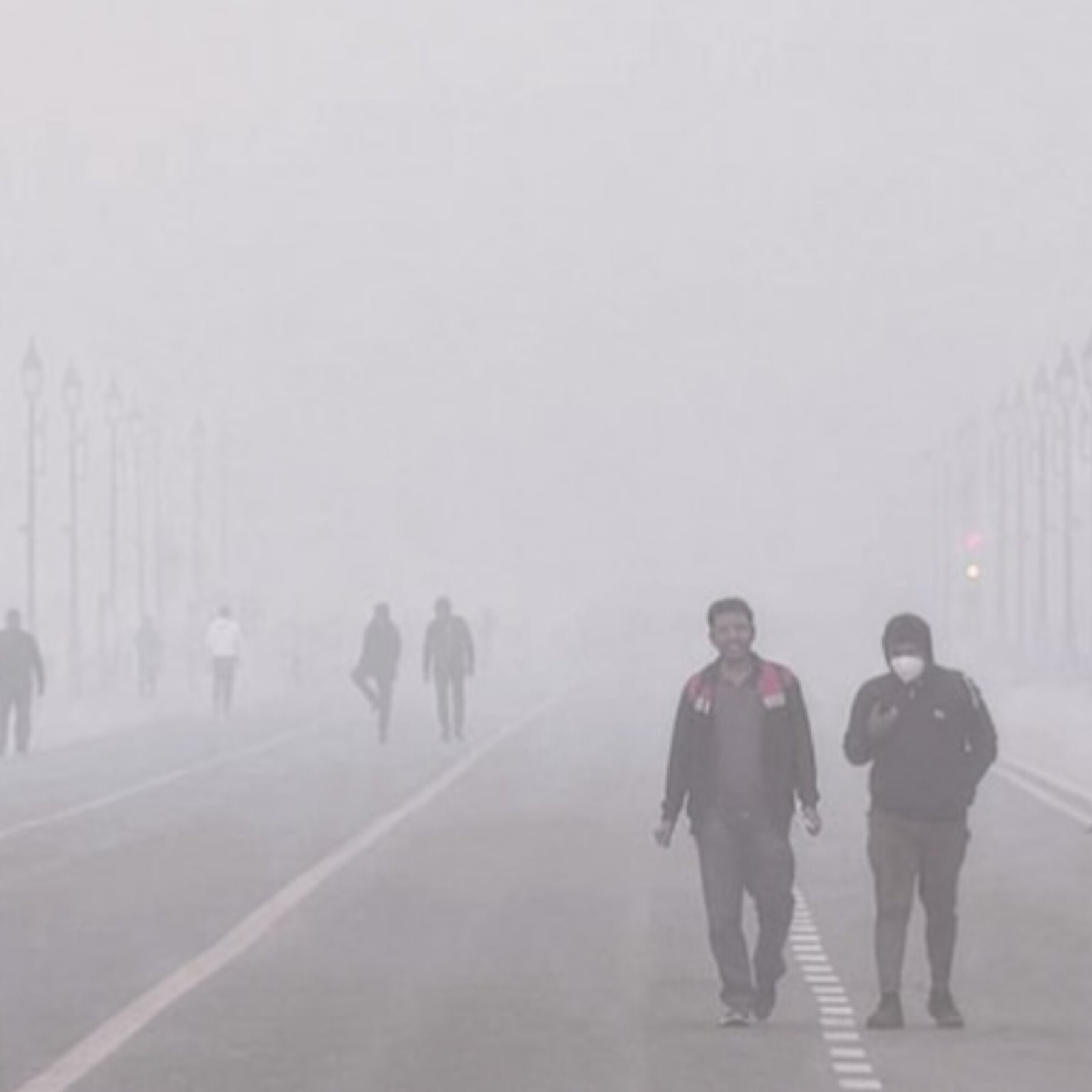
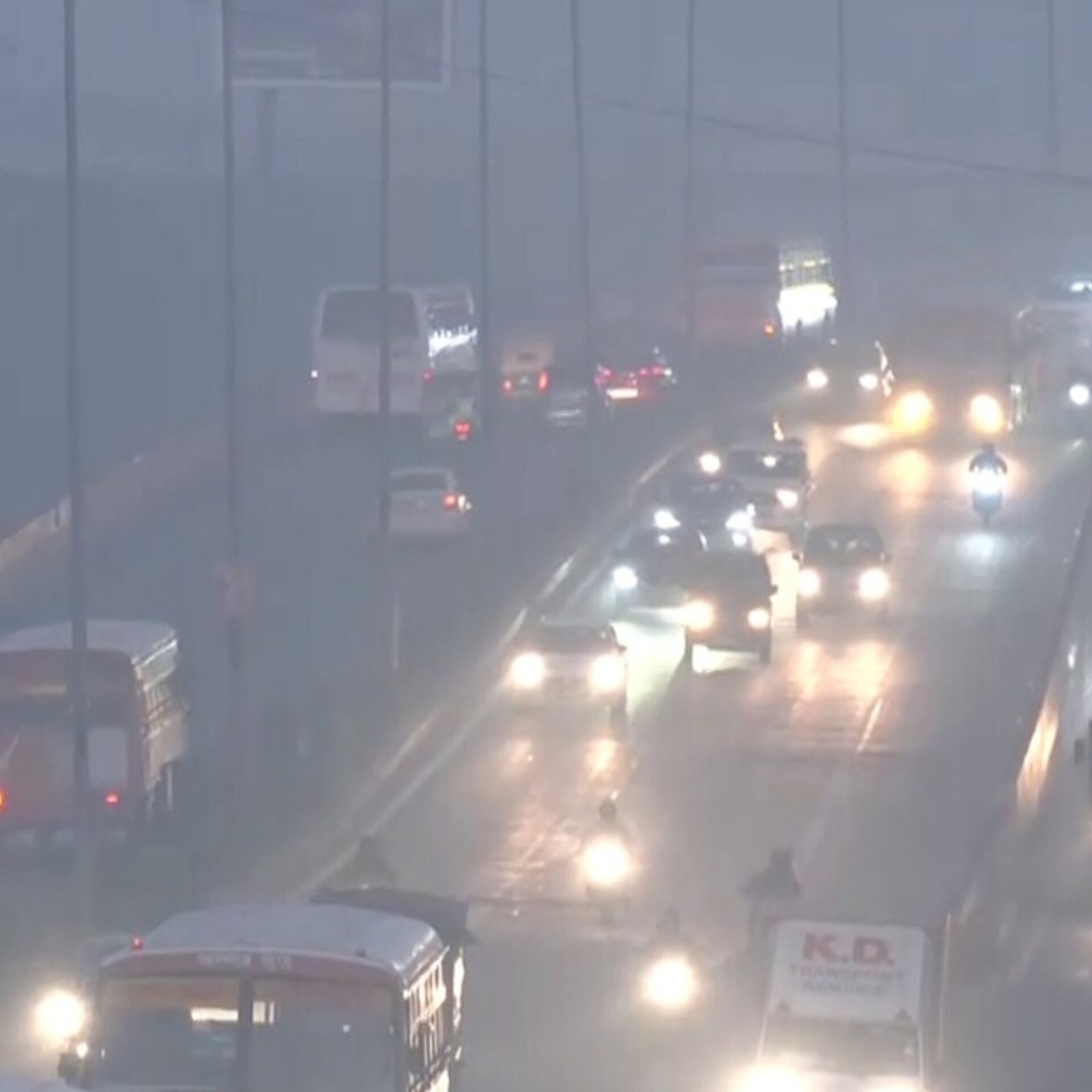
Dense fog and heavy smog hit Delhi on Thursday morning. Low visibility disrupted air travel at the Delhi airport. More than 250 flights were delayed due to poor visibility. At least 22 flights were cancelled, officials said. Several airlines issued travel advisories and asked passengers to check flight status. Roads across the city also saw slow traffic. The weather office said shallow to moderate fog is likely on more days this month. Pollution levels remained high in many areas. Authorities said emergency measures are in place to manage air quality. Political reactions also surfaced as parties blamed each other over the pollution crisis.
Brief by Shorts91 Newsdesk / 03:19am on 18 Dec 2025,Thursday Weather & Environment
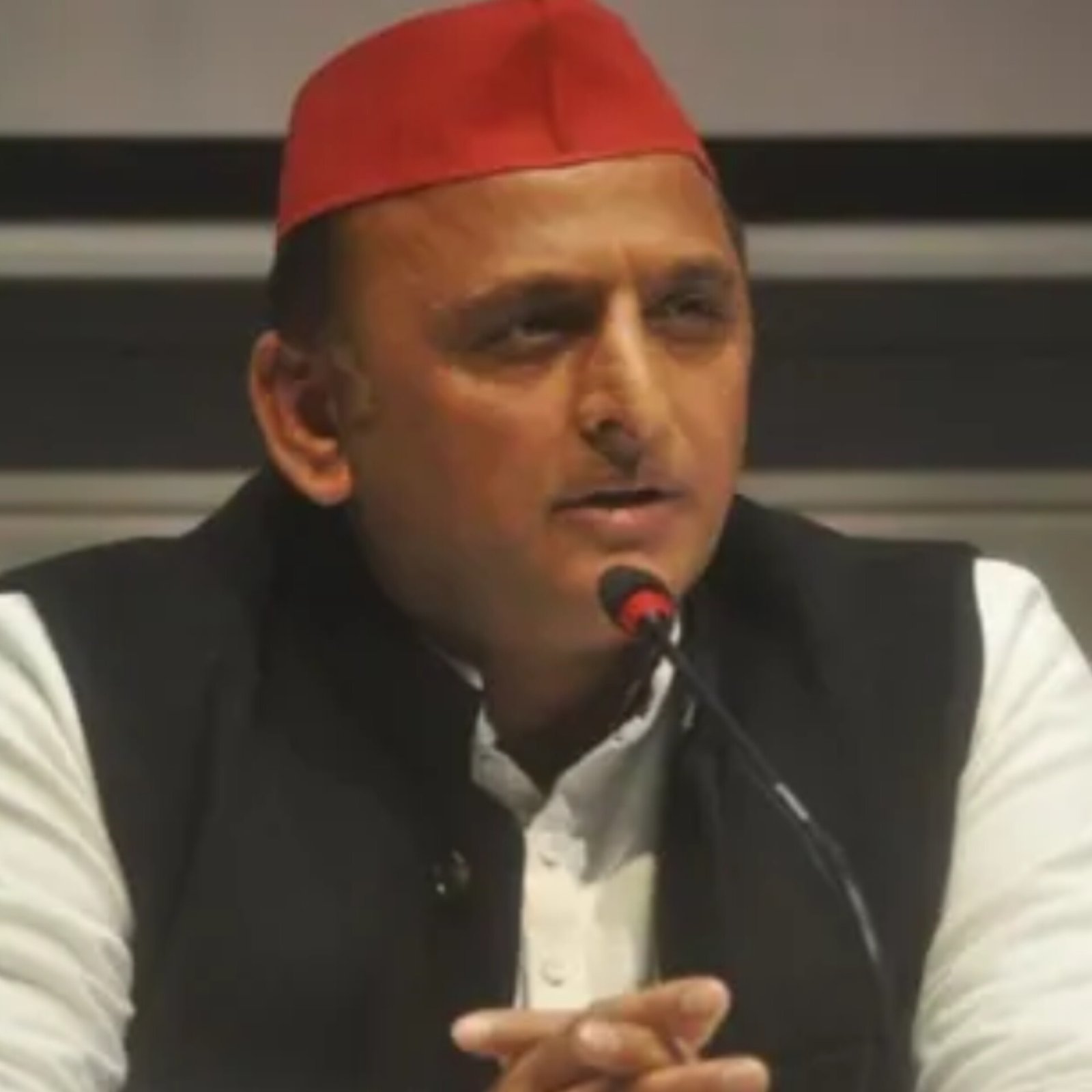
The fourth India vs South Africa T20 International in Lucknow was abandoned without a ball bowled due to thick smog and extremely poor visibility at Ekana Stadium, triggering criticism of scheduling matches in northern cities during peak winter pollution. Air Quality Index (AQI) levels soared in the hazardous range, making play unsafe and leading to six inspections before officials called off the game. Samajwadi Party leader Akhilesh Yadav claimed Delhi’s pollution had spread to Lucknow, calling it smog, not fog, and questioned state policies on air quality. The incident sparked broader debate on environmental planning for major events. (PC: HT)
Brief by Shorts91 Newsdesk / 03:54pm on 17 Dec 2025,Wednesday Weather & Environment
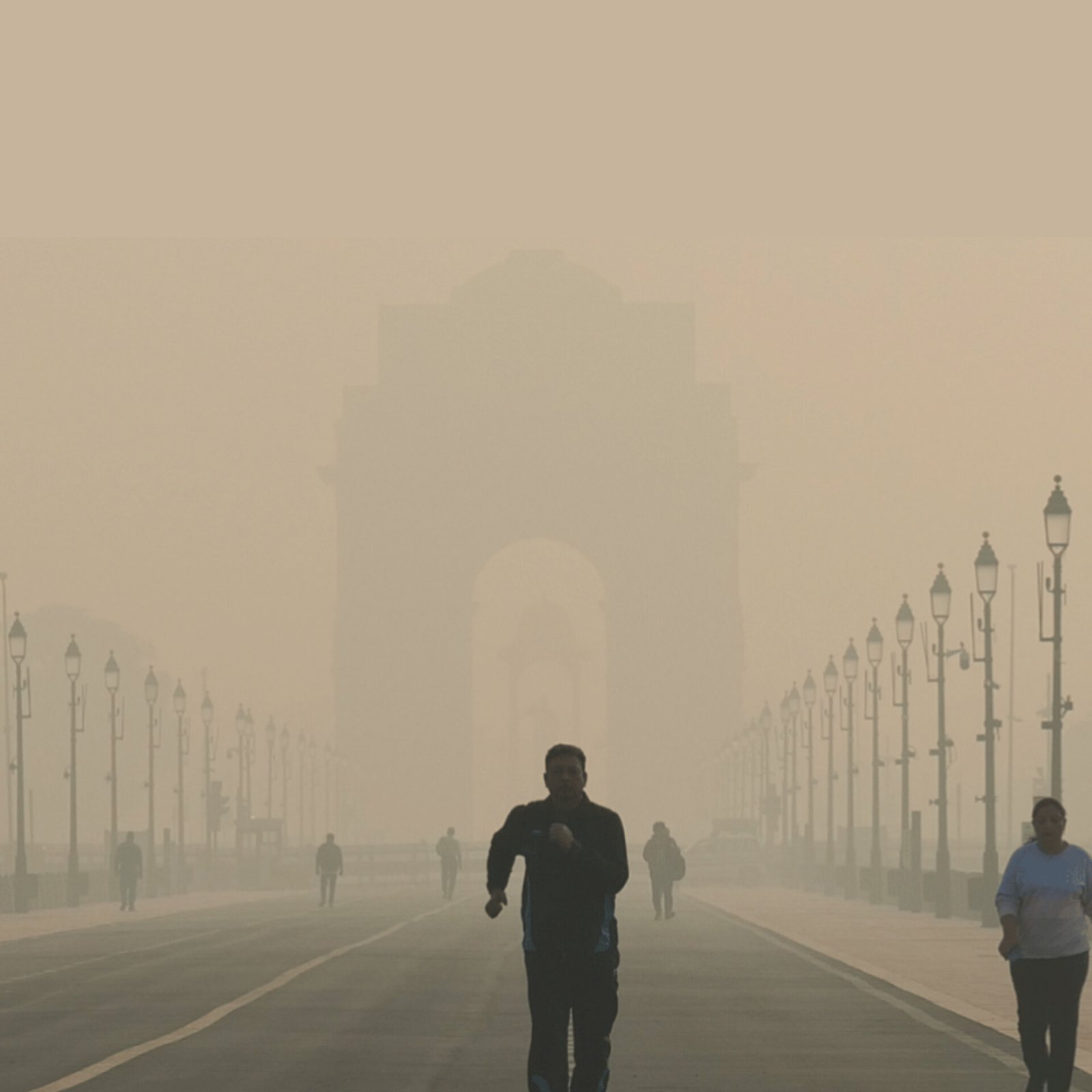
The Supreme Court on Wednesday said steps taken to control air pollution in Delhi-NCR have been a total failure. The court said short-term actions cannot solve a long-term problem. It refused to interfere with the Delhi government’s decision to shut schools or run them in hybrid mode. The bench said these steps only give temporary relief to children and the elderly. Chief Justice Surya Kant said pollution has become a yearly crisis. The court asked the CAQM to review long-term plans. It listed areas like transport, industry, stubble burning, construction, and green cover. The court also ended protection for old BS-III and below vehicles in Delhi-NCR. (PC: HT)
Brief by Shorts91 Newsdesk / 02:07pm on 17 Dec 2025,Wednesday Weather & Environment
Delhi has announced stricter steps to fight rising air pollution from Thursday. The city’s air quality stayed in the severe range for three days. Offices have been asked to shift to work from home or hybrid mode. Only half the staff can attend offices in person. Vehicles without a valid PUC certificate will not get fuel. Old vehicles and those below BS-6 norms from outside Delhi are banned from entry. Trucks carrying construction material are also barred. Construction work has been stopped, and affected workers will get compensation. Enforcement teams will be posted at borders and fuel stations to check violations. (PC: ANI)

