Brief by Shorts91 Newsdesk / 04:36pm on 13 May 2026,Wednesday Business
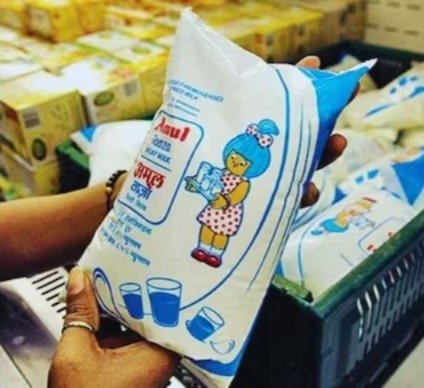
Amul and Mother Dairy have announced a nationwide hike in milk prices by Rs 2 per litre, effective May 14, 2026. The increase will apply across several popular milk variants and major selling packs. According to the Gujarat Cooperative Milk Marketing Federation, which markets Amul products, the revision comes amid rising input costs, including higher cattle feed expenses, packaging costs and overall production expenditure. The latest increase is expected to impact household budgets across India, particularly daily consumption items such as tea, coffee and milk. The move reflects continued inflationary pressure on essential food products and rising operational costs within the country’s dairy sector. (PC: X)
Brief by Shorts91 Newsdesk / 10:05am on 13 May 2026,Wednesday Business
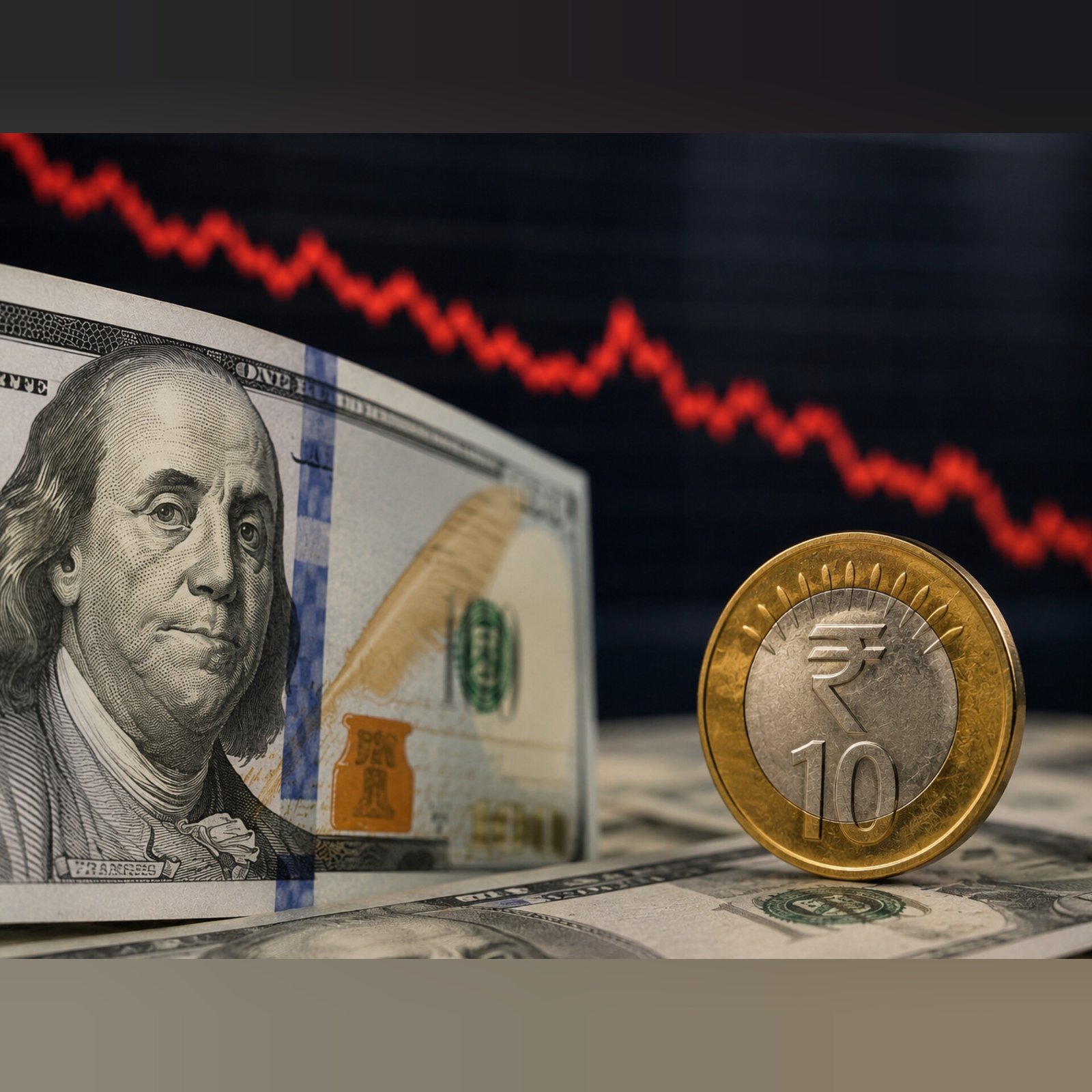
The Indian rupee slipped to a fresh all-time low of 95.8 against the US dollar on Wednesday as soaring crude oil prices and rising import costs intensified pressure on the economy. The currency weakened amid fears of prolonged disruption in global oil supplies, with Brent crude trading above $107 per barrel. The Centre also raised import duty on gold and silver from 6 per cent to 15 per cent to curb foreign exchange outflow and protect reserves. Despite volatile trading, benchmark indices Sensex and Nifty ended marginally higher. Analysts warned that sustained high oil prices and foreign fund outflows could keep the rupee under pressure in the coming weeks. (PC: ai)

Brief by Shorts91 Newsdesk / 07:41am on 13 May 2026,Wednesday Business
The Centre has increased import duties on gold and silver to 15% from 6% as part of efforts to reduce imports and ease pressure on India’s foreign exchange reserves. The revised structure includes a 10% basic customs duty and a 5% Agriculture Infrastructure and Development Cess (AIDC). The move comes days after Prime Minister Narendra Modi urged citizens to avoid buying gold for a year to help conserve foreign exchange amid global economic uncertainty. Industry bodies warned the sharp hike could hurt demand and revive gold smuggling, even as the government seeks to narrow the trade deficit and support the rupee. (PC: NDTV)
Brief by Shorts91 Newsdesk / 05:45am on 13 May 2026,Wednesday Business
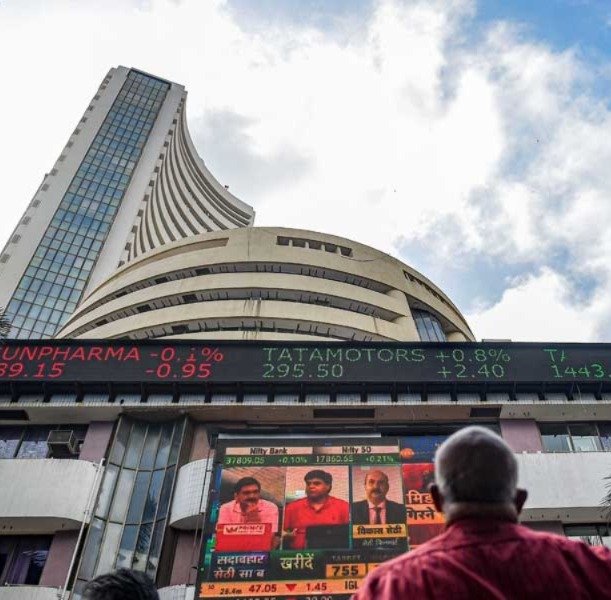
Indian benchmark indices turned volatile on Wednesday after opening with marginal gains, as rising crude oil prices and continuing West Asia tensions weighed on investor sentiment. The BSE Sensex initially rose 75.64 points before slipping 182.60 points to 74,362.19, while the NSE Nifty fell below the 23,400 mark to 23,352.25. Power Grid, NTPC, Bajaj Finance, SBI, Titan and Axis Bank led the losses, while Asian Paints, Adani Ports and Tata Steel gained. Brent crude hovered near USD 106.6 per barrel amid fears surrounding the US-Iran standoff and energy supply risks linked to the Strait of Hormuz. FIIs also sold equities worth Rs 1,959.39 crore on Tuesday. (PC: The Telegraph)
Brief by Shorts91 Newsdesk / 04:00am on 13 May 2026,Wednesday Business
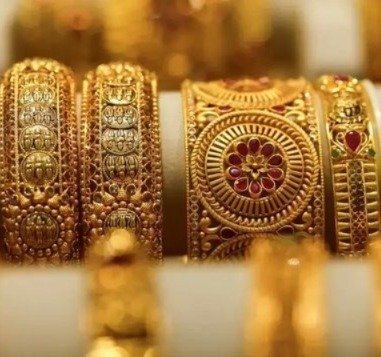
India has raised import tariffs on gold and silver to 15% from 6% in a major move aimed at curbing overseas purchases of precious metals and easing pressure on foreign exchange reserves. According to government orders issued on May 13, the decision is also expected to help narrow the country’s trade deficit and support the weakening rupee, currently among Asia’s worst-performing currencies. The higher duties could reduce demand in the world’s second-largest precious metals market, particularly as gold investment demand has surged amid rising prices and weak equity returns over the past year. The move comes amid broader government efforts to conserve foreign exchange during ongoing global economic uncertainty and rising energy pressures. (PC: ET Now)
Brief by Shorts91 Newsdesk / 12:13pm on 11 May 2026,Monday Business
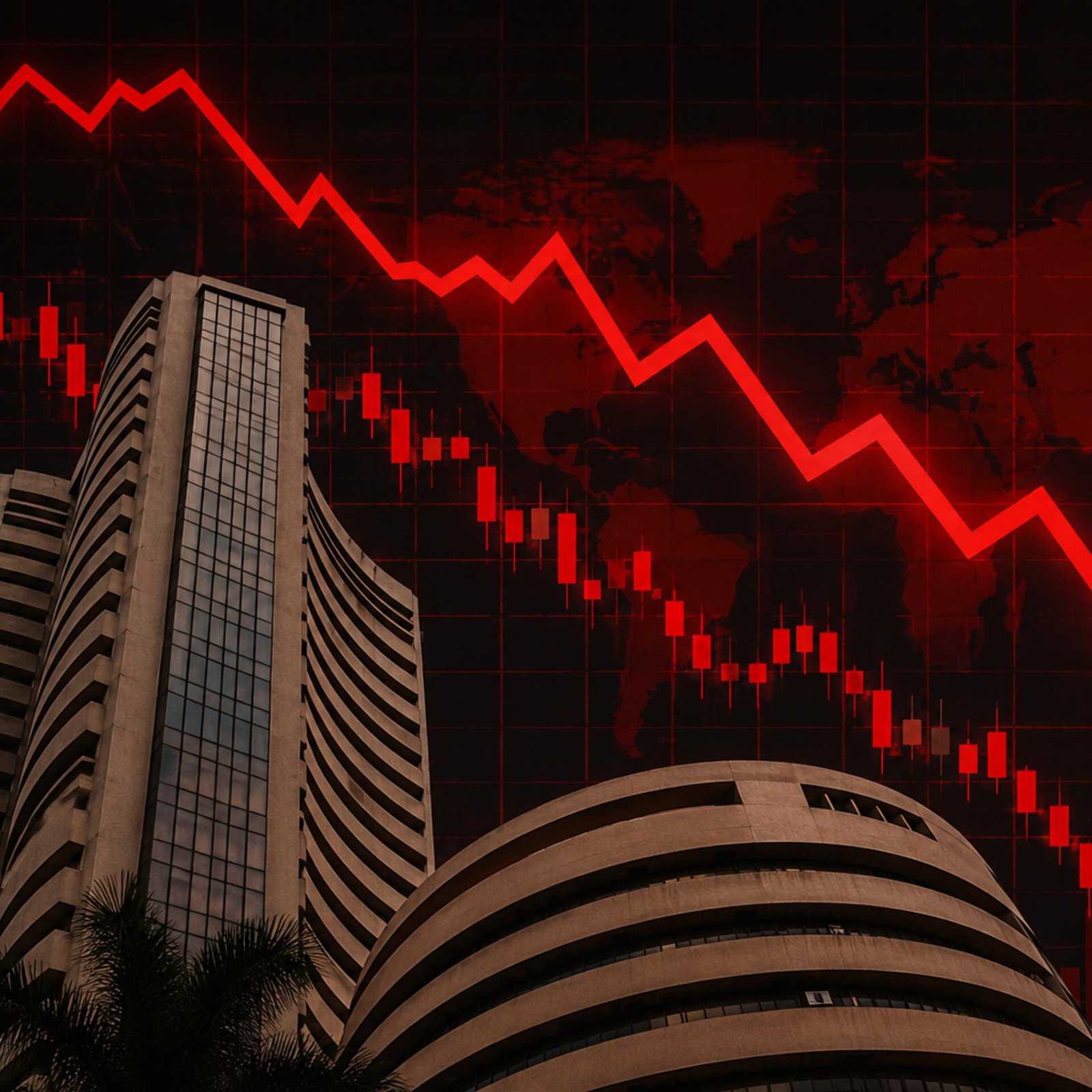
Indian equity markets ended sharply lower on Monday as rising tensions in West Asia and surging crude oil prices triggered heavy selling across sectors. The BSE Sensex fell 1,312 points to close at 76,015, while the Nifty 50 dropped 360 points to settle at 23,815. Investor sentiment weakened after US President Donald Trump rejected Iran’s peace proposal, pushing Brent crude prices near $105 per barrel. Banking, auto, oil and consumer stocks led the decline, while pharma shares saw limited buying. Analysts warned that prolonged geopolitical tensions and high crude prices could continue to pressure Indian markets. (PC: ai)
Brief by Shorts91 Newsdesk / 07:08am on 11 May 2026,Monday Business
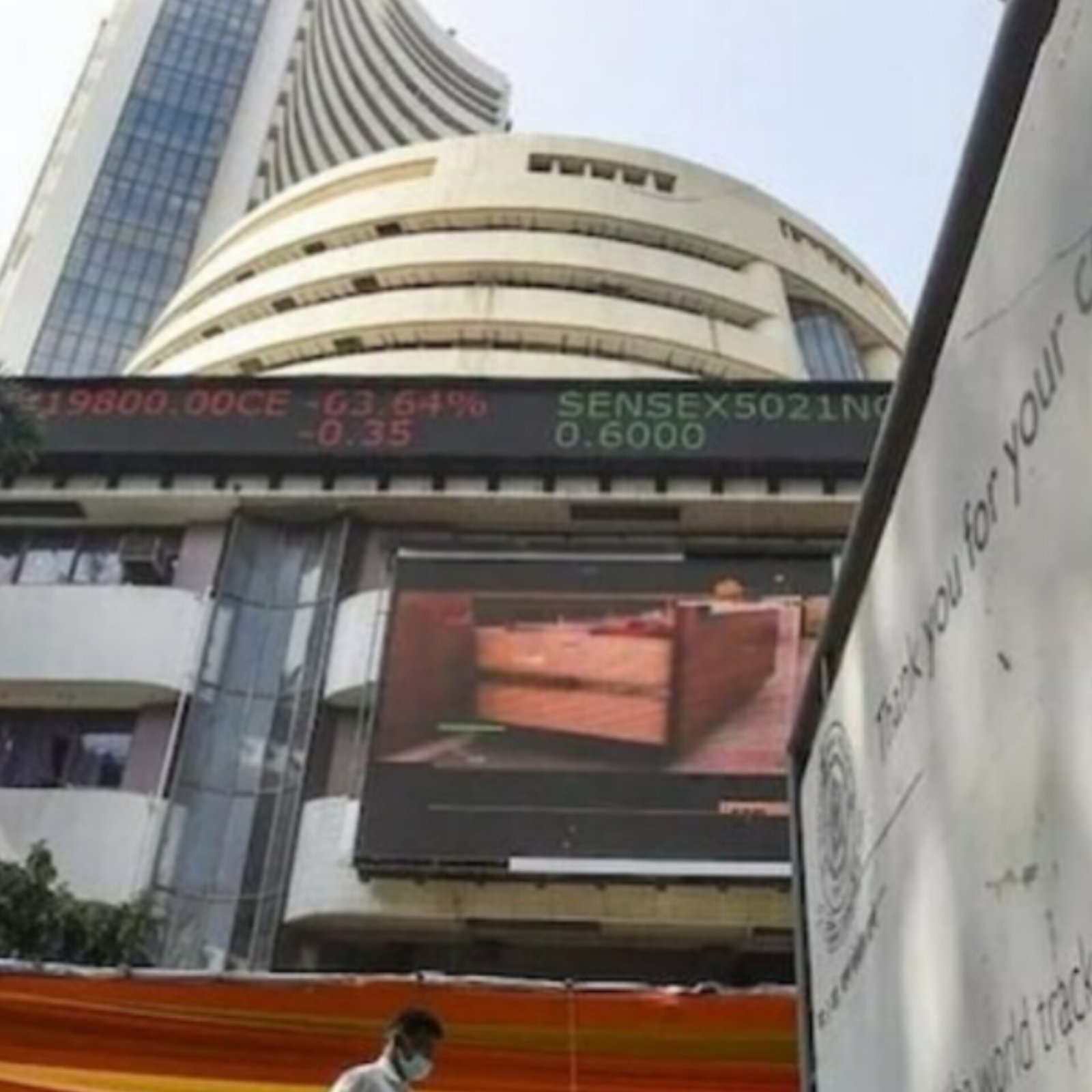
Benchmark indices plunged sharply on Monday, with the BSE Sensex falling over 1,000 points in early trade as investors reacted to surging crude oil prices and fresh uncertainty in West Asia. Concerns deepened after Prime Minister Narendra Modi urged citizens to reduce consumption of imported goods such as petrol, diesel and gold. Analysts said the remarks reflected worries over India’s rising import bill and widening current account deficit amid crude prices crossing $105 per barrel. Banking, aviation, auto and jewellery stocks witnessed heavy selling, while defensive sectors like pharmaceuticals and FMCG showed relative resilience during the market turmoil. (PC: Time Today)

Brief by Shorts91 Newsdesk / 11:49am on 07 May 2026,Thursday Business
JPMorgan Chase offered $1 million to former banker Chirayu Rana before he filed a lawsuit accusing senior executive Lorna Hajdini of sexual assault and workplace harassment, according to The Wall Street Journal. The settlement talks reportedly failed after Rana sought a bigger payout. The lawsuit, filed in a New York court, alleges Hajdini abused her senior position to pressure Rana into sexual encounters and threaten his career. JPMorgan said it tried to avoid a lengthy legal battle and still believes the allegations “have no merit”. The bank also said its internal investigation found no evidence supporting the claims. Hajdini has denied all allegations against her. (PC: India Today)
Brief by Shorts91 Newsdesk / 05:02pm on 29 Apr 2026,Wednesday Business
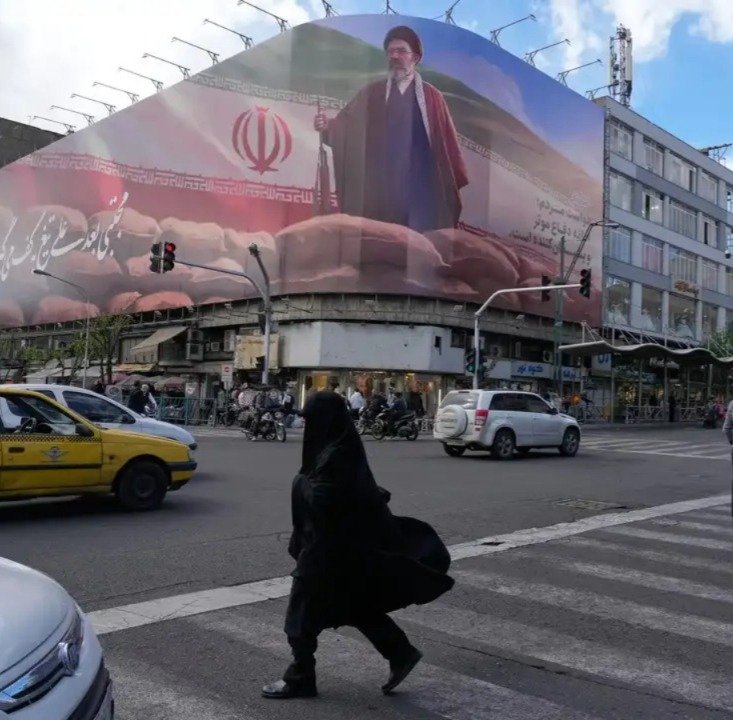
Iran's national currency has collapsed to a historic low of 1.8 million rials per US dollar, raising severe inflation fears across the country. The plunge follows weeks of relative stability during the conflict that began February 28, when limited market activity had temporarily shielded the rial. The currency's renewed freefall is driven by a US blockade curtailing oil exports, ongoing international sanctions, and fragile ceasefire conditions. Economists warn that rising import costs for food, medicine and essential goods will intensify household hardship. This crisis echoes January's shock drop from 1.4 to 1.6 million rials, which triggered widespread public protests, raising fears that deeper economic deterioration and fresh civil unrest may lie dangerously ahead. (PC: X)
Brief by Shorts91 Newsdesk / 05:30am on 29 Apr 2026,Wednesday Business
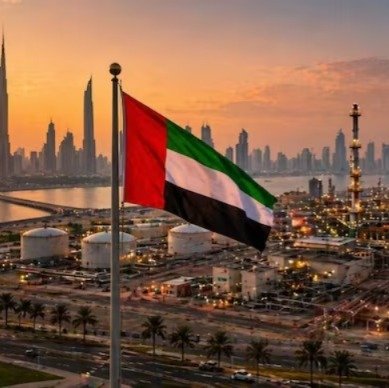
The United Arab Emirates will exit OPEC and OPEC+ from May 1, a move that could reshape global oil markets amid ongoing West Asia disruptions. As one of the bloc’s largest producers, its departure weakens OPEC’s ability to regulate supply through quotas. While immediate impact may be limited due to existing supply constraints and high prices, the UAE gains flexibility to increase output over time. This could eventually boost global supply and ease prices, though reduced coordination may trigger volatility. For India, the development poses short-term inflation risks but offers potential long-term relief if increased production stabilises oil markets. (PC: India Today)

